
Casinos That Accept Interac UK 2026: The Risks Offshore and the UK Alternatives
 Available in GB
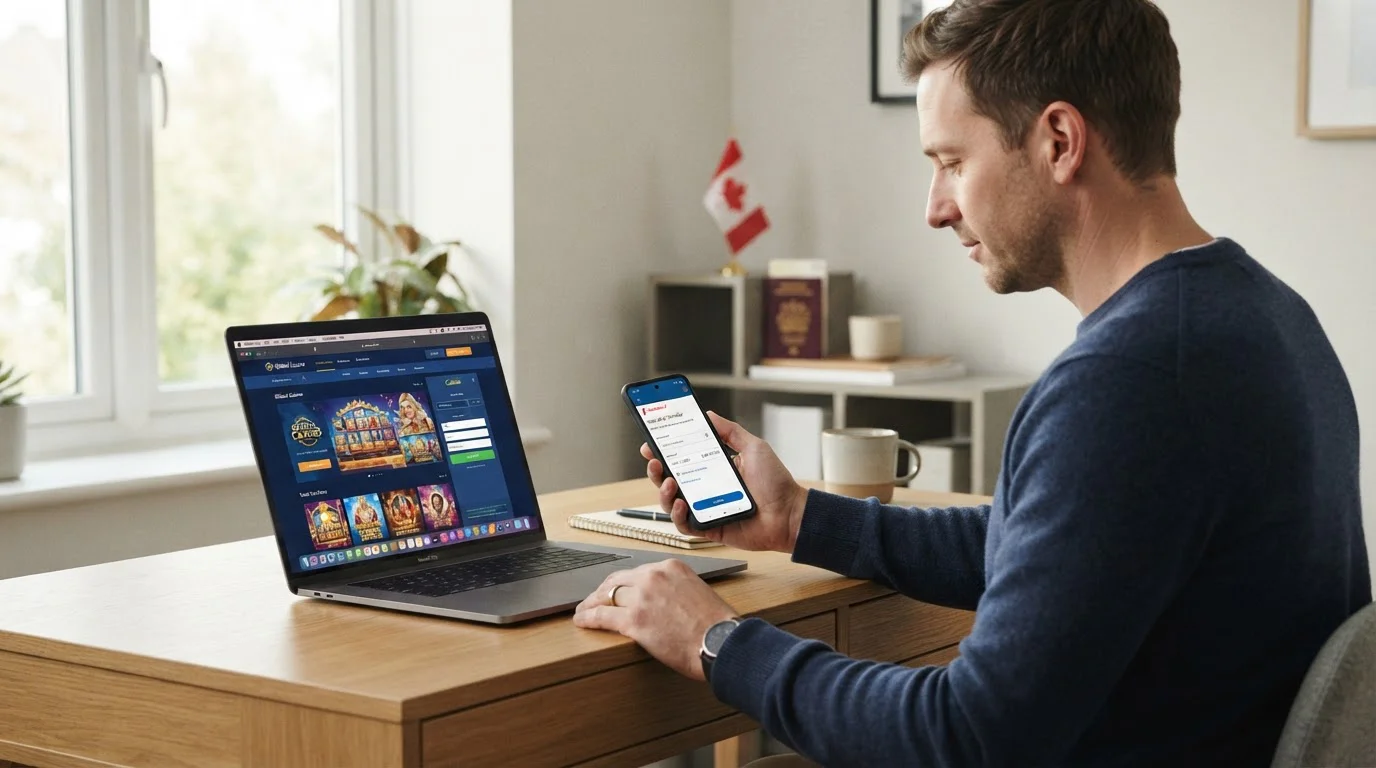
Let’s clear this up early: no UKGC-licensed casino accepts Interac for UK residents in 2026. Not a single one.
Interac is a Canadian interbank payment network, and it requires a Canadian bank account to work. UK banks do not participate in it and never have. If you bank only in the UK—a Barclays current account, a Monzo card, a Lloyds debit card—Interac is a non-starter. The method won’t appear in a licensed UK cashier, and even if it did, your bank couldn’t process the transfer.
The sites that do pair Interac with UK sign-ups are offshore casinos, typically licensed in Malta, Kahnawake or Curaçao, that take British customers without a UK Gambling Commission licence. That makes them unlicensed for Great Britain: they offer none of its protections, and serving UK customers without a UKGC licence is unlawful for the operator. This guide doesn’t list or rank those sites, and it doesn’t recommend them to UK players—Canadian bank account or not.
What follows explains how Interac works, why it can’t reach UK casinos, what you give up at sites that offer it to UK residents, how Canadian expats can handle their Canadian money sensibly, and which UK methods do the same job at licensed casinos.
Can I use Interac at UK-licensed online casinos?
No. No UKGC-licensed casino offers Interac, because it needs a Canadian bank account and UK banks are not part of the Interac network. UK-licensed casinos accept UK debit cards, open banking through providers such as Trustly, and e-wallets like PayPal and Skrill, all of which work with ordinary British bank accounts.
The Uncomfortable Truth: Interac Won’t Work for UK Players
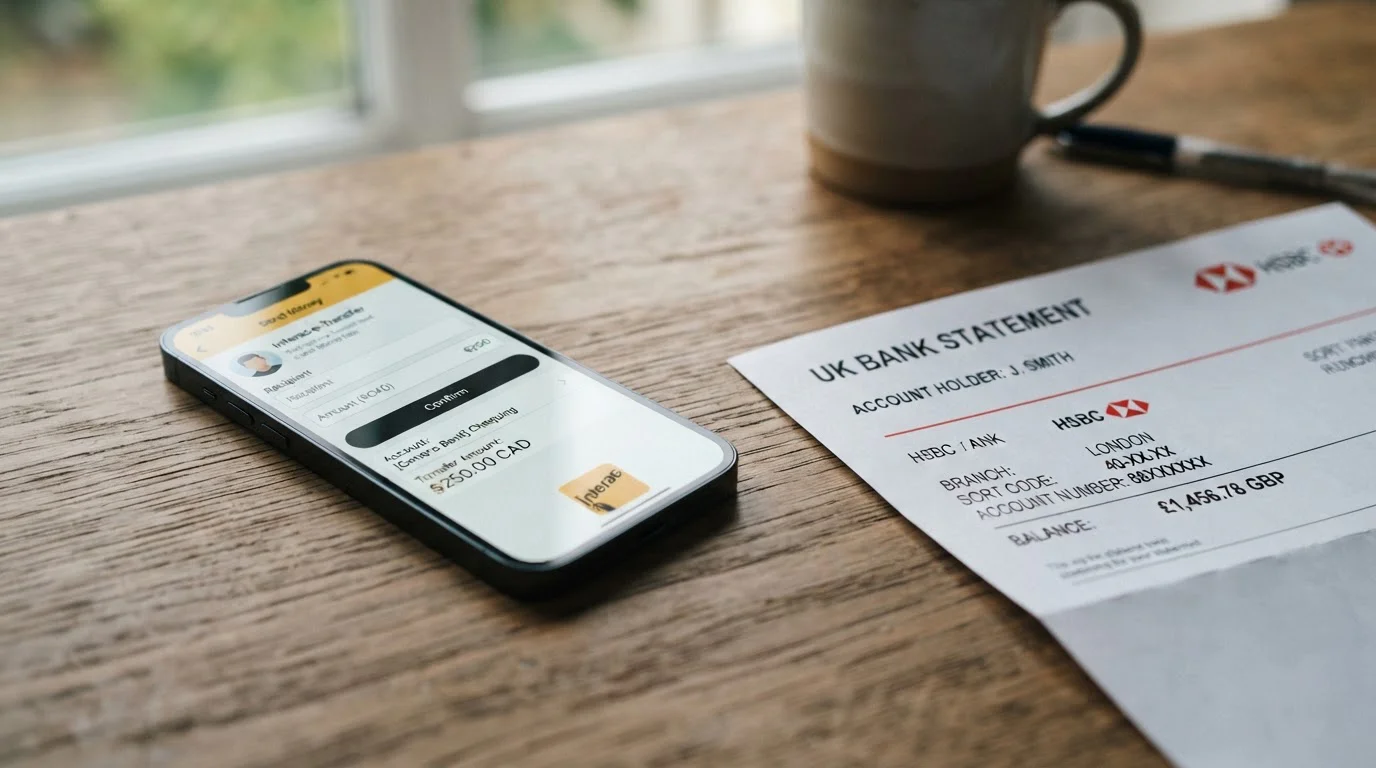
Interac began in 1984 as a joint venture between major Canadian banks and now connects virtually every Canadian financial institution—RBC, TD, Scotiabank, BMO, CIBC, Desjardins and many more—into a single network. Its two best-known products are Interac Debit, for card payments in shops, and Interac e-Transfer, for sending money between bank accounts online.
An Interac e-Transfer works like this: you log in to your Canadian online banking, choose “Send Money”, enter the recipient’s email address or mobile number, and send. The recipient gets a notification and deposits the money, often automatically if they’ve registered for autodeposit. No card numbers change hands and the money usually arrives within minutes. For Canadians, it is everywhere.
For UK residents without Canadian banking, it is unavailable. UK banks use Faster Payments for instant domestic transfers, BACS for batch payments and CHAPS for same-day high-value settlements. None of these connects to Interac, and UK banks have no commercial reason to join a Canadian network. A UK sort code and account number simply cannot send or receive an Interac e-Transfer.
This isn’t a regulatory ban. The UKGC didn’t prohibit Interac the way it banned credit cards in April 2020; Interac just needs infrastructure UK banks don’t have. Even if a UKGC-licensed casino wanted to offer it, its British customers couldn’t use it.
So any list of “casinos that accept Interac UK” is really describing sites outside the UK system that take UK registrations and happen to list Interac for Canadian customers. For a UK resident who has never banked in Canada, Interac is irrelevant. For one who has kept a Canadian account, the method might technically work at those sites—but the problem isn’t the payment, it’s the operator.
Why Nobody Can Simply “Bridge” Interac to UK Banks
People sometimes assume a payment processor could connect Interac to UK accounts, the way card networks work across borders. It doesn’t work like that.
Card networks such as Visa and Mastercard were built to be international: a UK debit card works in Toronto because the networks route the payment between banks in different countries and currencies. Interac was built as a domestic Canadian network. It moves Canadian dollars between Canadian financial institutions, and its members are Canadian banks and credit unions.
A UK bank would therefore need to become part of the Canadian system, hold Canadian-dollar accounts for its customers and meet Canadian rules—an enormous effort for a payment method its customers would rarely use. Britain already has its own instant system in Faster Payments, and open banking lets licensed providers such as Trustly use it for online payments. There’s simply no gap for Interac to fill.
That’s also why “Interac for UK players” is really about Canadian bank accounts held by people who now live in Britain, not about UK banking.
Why Interac-Listing Sites Aren’t an Option for UK Residents
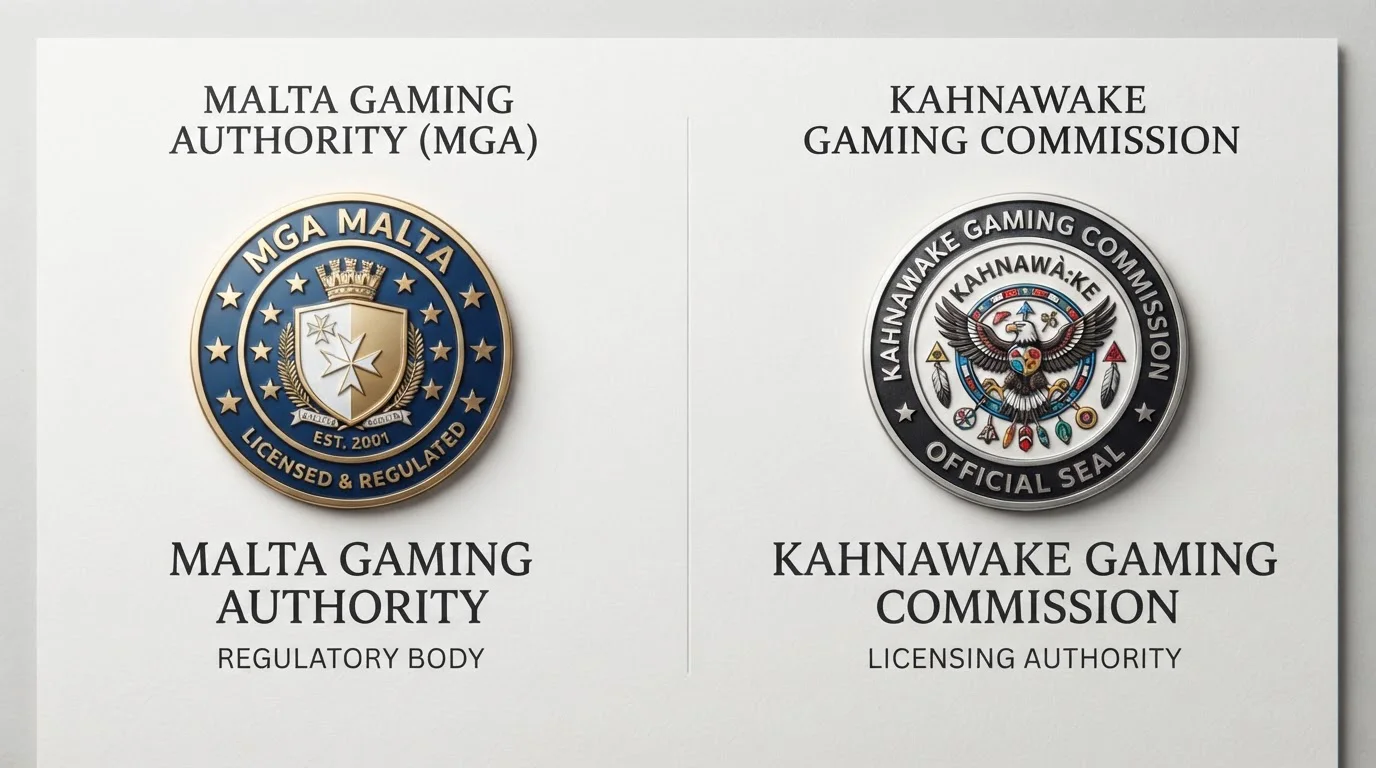
Casinos that list Interac are built for Canadian players. Many belong to large international groups that run several sister brands on shared systems and hold licences from the Malta Gaming Authority, the Kahnawake Gaming Commission or Curaçao. Some of those groups also hold UKGC licences for separate UK-facing websites, and those UK sites offer UK payment methods only—never Interac.
That split matters. Under the Gambling Act 2005, any operator offering remote gambling to people in Great Britain must hold a UKGC licence. A Malta, Gibraltar or Kahnawake licence doesn’t change that, however reputable the regulator. When an international site accepts a UK resident’s registration without a UKGC licence, it is serving that customer unlawfully, and the customer is outside every UK protection.
Canada’s own regulated markets don’t help either. Provincially regulated online casinos, such as those licensed in Ontario, are for people physically located in that province; they aren’t open to UK residents.
Some offshore sites suggest that UK residents with Canadian bank accounts simply register on their international domain and pay by Interac. That isn’t a loophole; it’s a way of stepping outside the UK’s safeguards. The legal offence is the operator’s, but the practical risks—no GamStop, no independent dispute route, no UK spending checks—fall entirely on the player.
Which offshore casinos accept Interac deposits from UK residents?
Sites that take UK customers and list Interac are operating without a UKGC licence, which makes them unlicensed for Great Britain. This guide doesn’t list or rate them, because they offer UK players no GamStop coverage, no approved dispute resolution and none of the UK’s safer-gambling protections.
What You Lose by Going Offshore: UKGC Protections vs Everything Else
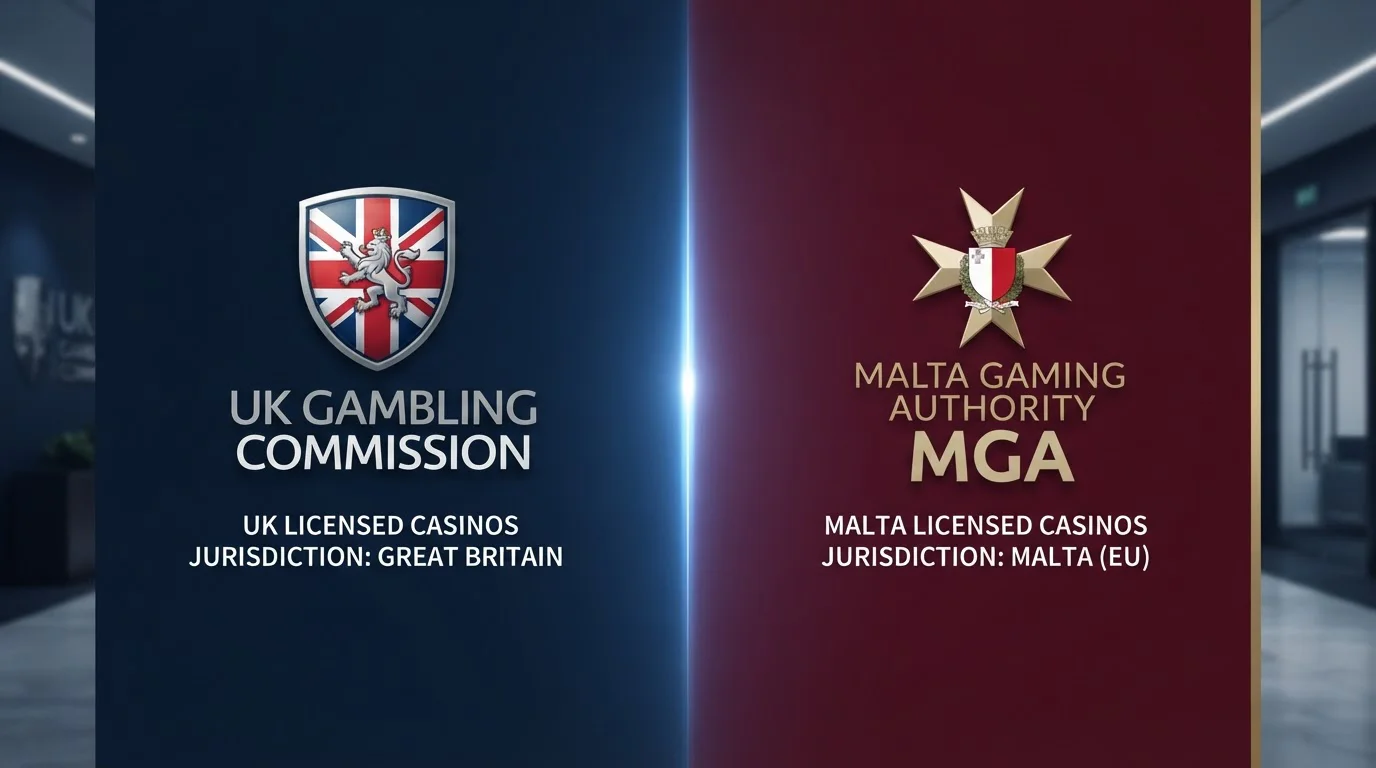
Using an Interac-listing offshore casino instead of a UKGC-licensed site isn’t a technicality. It changes what happens when something goes wrong, who you can complain to and which safeguards apply.
| Protection | UKGC-licensed casino | Offshore site serving UK residents |
|---|---|---|
| Age and identity checks before you deposit | Required since May 2019 | Varies; often deferred until withdrawal |
| GamStop self-exclusion | Must check the register and block excluded players | Not part of GamStop |
| Deposit limits | Must be offered; decreases immediate, increases after cooling-off | Inconsistent |
| Financial-risk checks | Required for higher spending | No UK requirement |
| Bonus wagering | Capped at 10x since 19 January 2026 | Commonly 35x–50x |
| Online slot stakes | £5 per spin (25+), £2 (18–24) | No UK limits |
| Funds-protection disclosure | Must tell you the protection level | No UK obligation |
| Dispute resolution | Approved ADR such as IBAS | Foreign process, if any |
GamStop Self-Exclusion No Longer Works
GamStop is the UK’s free national online self-exclusion scheme. You register once, choosing six months, one year or five years, and every UKGC-licensed online operator must refuse you an account for that period. Registration can take up to 24 hours to take effect.
Offshore casinos sit outside GamStop. They don’t receive the register and aren’t bound by UK self-exclusions, so an exclusion gives you no protection there. Some actively market themselves as “non-GamStop casinos” to people who have excluded and regret it, or who want higher limits and fewer checks.
GamStop exists to lock people out of all UK-licensed sites at once, so they don’t have to exclude casino by casino. If you’re considering an offshore Interac casino because GamStop has locked you out of UK sites, that is a signal to revisit whether gambling is working for you, not a prompt to look elsewhere. The National Gambling Helpline, run by GamCare, is free, confidential and open 24 hours a day on 0808 8020 133. Most UK banking apps also offer a gambling block on your debit card, which adds a second layer alongside GamStop.
Dispute Resolution Outside the UK
UKGC-licensed operators must give you access to an approved Alternative Dispute Resolution provider, such as IBAS, free of charge if they can’t resolve your complaint. The ADR provider’s decision is binding on the operator if you accept it, and the Commission oversees the whole process. (The Financial Ombudsman Service doesn’t handle disputes with gambling operators.)
An offshore operator answers, at most, to its home regulator’s process. Some regulators, such as the Malta Gaming Authority, run credible complaint services for players in markets their licensees are permitted to serve. But a UK resident playing at a site that shouldn’t be serving them is in a weak position: any process sits outside UK jurisdiction, and enforcing an outcome can be costly or impossible.
Curaçao is weaker still. Its regulator, the Curaçao Gaming Authority, has been reforming the system since the old master-licence arrangement ended in 2024, but complaints about unanswered emails and unpaid withdrawals at Curaçao-registered casinos remain common.
Weaker Spending Protections
UKGC casinos must offer deposit limits, reality checks, time-outs and self-exclusion, and they must carry out financial-risk checks when customers’ spending reaches certain levels. These checks are sometimes criticised as intrusive, but they exist to catch harm early.
Offshore sites serving UK residents have no such UK obligations. A player can lose far more than they can afford without anyone stepping in, and the larger bonuses these sites advertise come with heavy wagering requirements that keep money in play for longer. Missing safeguards are a risk to weigh, not a perk.
What happens to GamStop self-exclusion if I use an offshore Interac casino?
Your GamStop exclusion doesn’t reach offshore casinos, because only UKGC-licensed operators are bound by the register. That is why these sites are risky for anyone who has self-excluded: the barrier you chose to put in place is missing. If you feel the pull to try one, talk to a support service instead.
Is it legal for UK players to use offshore casinos that accept Interac?
The Gambling Act 2005 places the offence on the operator, not the player: offering gambling to people in Great Britain without a UKGC licence is unlawful. Players at these sites still lose out, because they give up GamStop, approved dispute resolution, funds-protection disclosure and the UK’s other safer-gambling rules.
How Interac e-Transfer Works
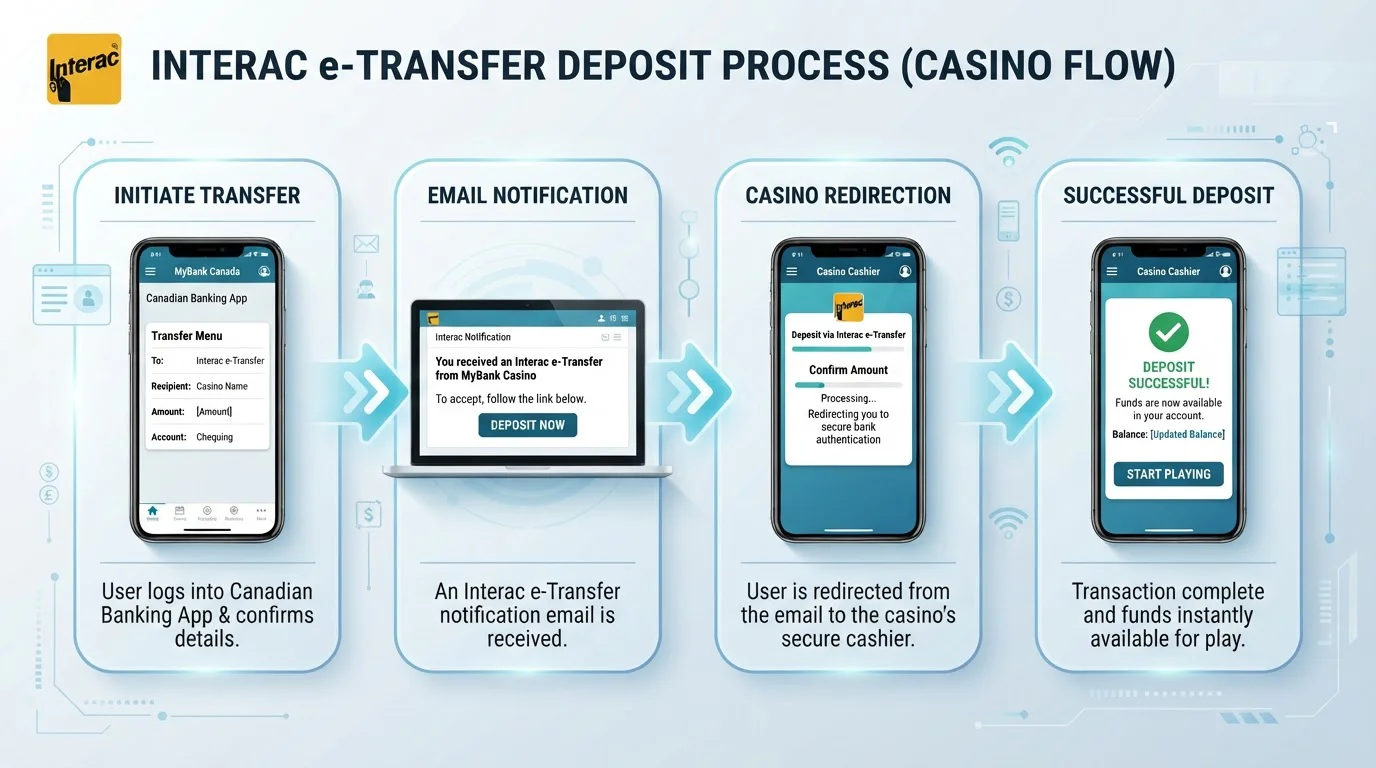
For context, here is how Interac e-Transfer works for Canadian account holders—whether they’re paying a friend, a landlord or a merchant that accepts it. It all happens inside Canadian online banking, which is why it can’t be replicated from a UK account.
| Step | What happens |
|---|---|
| Log in | The sender opens their Canadian bank’s app or website and chooses “Interac e-Transfer” or “Send Money”. |
| Add the recipient | They enter the recipient’s email address or mobile number, or pick a saved contact. |
| Set the amount | They enter the amount in Canadian dollars, within their bank’s daily and weekly e-Transfer limits. |
| Security | If the recipient hasn’t registered for autodeposit, the sender sets a security question and shares the answer separately. |
| Delivery | The recipient is notified, deposits the funds into their own Canadian account, and the money typically arrives within minutes. |
Interac e-Transfer runs in Canadian dollars only. Some Canadian bank accounts include free e-Transfers, while basic plans may charge a small fee per transfer; receiving one is generally free. Each bank sets its own sending limits.
Merchants that accept Interac online are usually integrated through a payment processor, so the customer is redirected into their banking app to approve the payment. Either way, a Canadian bank account is essential at both ends.
How long do Interac e-Transfers take?
Between Canadian bank accounts, an Interac e-Transfer usually arrives within minutes, and recipients who have registered for autodeposit don’t need to do anything to receive it. Occasionally a bank holds a transfer for extra security checks, which can add a delay. Whatever the timing, both the sender and the recipient need Canadian bank accounts.
Interac vs UK Open Banking: Closer Than You’d Think
Strip away the branding and Interac e-Transfer and UK open banking do much the same thing. Both move money directly between bank accounts, both are approved inside your own banking app, and neither requires sharing a card number with the merchant.
The differences are mostly about where they work. Interac runs in Canadian dollars between Canadian institutions; open banking runs in pounds over Faster Payments between UK accounts. Interac e-Transfer was designed first for person-to-person payments and adapted for merchants, while UK open banking was set up from the start to let regulated providers initiate payments on a customer’s behalf.
For gambling, UK open banking has two practical advantages. Withdrawals can go straight back to the account you paid from, with no separate claim step, and the casino can see that the money came from an account in your name, which keeps verification simple. Limits are set by your bank and by the casino, and you can lower your casino deposit limit at any time.
In other words, a UK player who wants “Interac” already has it in everything but name. Choosing Trustly, “Pay by Bank” or “Instant Bank Transfer” at a licensed UK casino gives the same pay-from-your-bank experience, with UK protections attached.
Canadian Banking in the UK: Handling Your Money Sensibly
If you’ve moved from Canada to the UK and kept a Canadian account, you don’t need Interac to gamble in Britain, and trying to use it means stepping outside UK protections. The sensible approach is to bring the money you intend to use in the UK across to a UK account and play from there.
Move money once, not every session. Converting Canadian dollars to pounds through your bank, or through a regulated money-transfer service such as Wise or Revolut, lets you see the rate and fee up front. Doing it in planned amounts beats paying conversion margins on lots of small transactions.
Open a UK current account. Most UK banks and app-based banks open accounts for new residents with a passport and proof of UK address. Once you have a UK debit card and online banking, every method used at UK-licensed casinos is available to you.
Use your UK details at UK casinos. UKGC casinos verify your identity and address before you can deposit. A Canadian passport is normally fine as photo ID, but your casino account must show your UK address, and withdrawals will go only to a UK account or e-wallet in your name.
Keep Canadian and UK gambling separate. Self-exclusions and deposit limits you set with Canadian operators don’t carry over to UK casinos. If you used them for a reason, set up equivalents here: deposit limits at your UK casino, GamStop for a UK-wide exclusion, and a gambling block on your UK debit card.
Mind the tax and record-keeping side. Gambling winnings aren’t taxed in the UK, but moving larger sums between countries can raise questions from your bank. Keeping simple records of transfers makes those conversations easy.
Do I need to convert Canadian dollars to play at UK casinos?
Yes. UKGC-licensed casinos run sterling accounts and accept UK payment methods. Transfer what you plan to use from your Canadian account to a UK bank account through your bank or a regulated money-transfer service, then deposit in pounds by debit card, Trustly or an e-wallet such as PayPal.
Can I withdraw UK casino winnings to my Canadian bank account?
Not directly. UKGC-licensed casinos pay winnings back through the method you deposited with, such as your UK debit card, UK bank account or an e-wallet in your name. If you want the money in Canada afterwards, move it from your UK account using your bank or a regulated money-transfer service.
Doing it this way keeps a clean paper trail: the casino pays a UK account in your name, and any onward transfer is a normal personal payment between your own accounts. It also means the casino’s verification checks are straightforward, which helps withdrawals arrive on time.
If you’re returning to Canada for good, withdraw your UK casino balances and close the accounts before you leave, rather than leaving money with an operator you can no longer easily use. Licensed UK casinos must let you close your account and withdraw your remaining balance.
Better Alternatives: What UK Players Should Use Instead of Interac
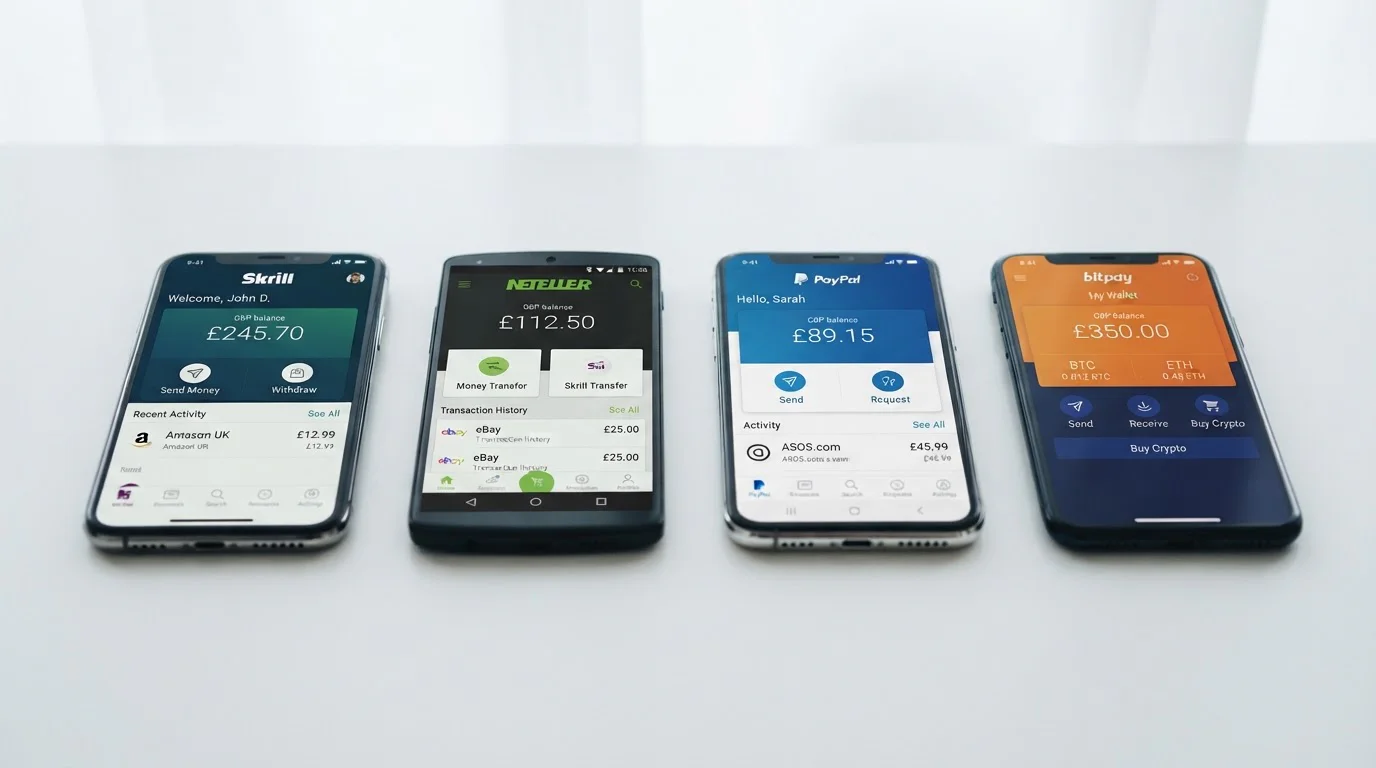
Interac’s appeal for Canadians is simple: instant payments straight from a bank account, without card numbers. UK players get the same convenience at UKGC-licensed casinos, with full UK protections, using methods that work with ordinary British bank accounts.
Here’s how the main UK options compare:
| Method | Deposit Speed | Typical Withdrawal Speed | Fees | Best For |
|---|---|---|---|---|
| Trustly / open banking | Instant | Usually same day | None | The closest equivalent to Interac: pay straight from your bank |
| PayPal | Instant | Often within hours, up to 24 hours | None at most casinos | Wide acceptance and quick payouts |
| Skrill / Neteller | Instant | Within 24–48 hours | Wallet-to-bank fees may apply | Regular players who want a dedicated wallet |
| MuchBetter | Instant | Around 24 hours | Low or none | Phone-first players |
| Apple Pay / Google Pay | Instant | 1–3 working days (to your card) | None | Quick mobile deposits |
| UK debit card | Instant | 1–5 working days | None | Universal acceptance, no set-up |
Trustly and Open Banking
Open banking is the UK’s nearest equivalent to Interac. You choose Trustly, “Pay by Bank” or “Instant Bank Transfer” in the cashier, pick your bank, approve the payment in your banking app, and the money lands instantly. No card details are shared, and withdrawals go straight back to the same account, usually the same day once the casino approves them.
A number of UKGC-licensed casinos offer Trustly, including Betway, Casumo, SpinYoo and DAZN Bet. It works with the major UK high-street banks, though some smaller building societies and app-only banks may not be listed.
PayPal
PayPal is one of the most widely accepted e-wallets at UKGC-licensed casinos, including BetMGM, LeoVegas, MrQ and Betway. It only works with gambling operators licensed in the markets they serve, so seeing it in a UK-facing cashier is a good—though not conclusive—sign of a UKGC licence.
Deposits are instant and withdrawals usually land within twenty-four hours, often much sooner. Most UK casinos charge nothing, and PayPal deposits are rarely excluded from welcome offers. Your PayPal account must be in your name and funded from a UK debit card or bank account.
Skrill and Neteller
Skrill and Neteller are long-established gambling e-wallets owned by Paysafe and widely accepted at UK-licensed casinos such as SpinYoo, Casushi and Playzee. Deposits are instant and withdrawals typically take a day or two. Moving money from the wallet to your bank can carry a fee, so check the current schedule. The main catch is that many UK casinos exclude Skrill and Neteller deposits from welcome bonuses.
MuchBetter
MuchBetter is a phone-first e-wallet with biometric approval on every payment. You top it up from a UK debit card or bank account, deposits are instant and withdrawals typically take around a day. Acceptance is narrower than PayPal or Skrill, so check the cashier first.
UK Debit Cards, Apple Pay and Google Pay
Visa and Mastercard debit cards work at every UKGC-licensed casino, with instant deposits and withdrawals in one to five working days. Apple Pay and Google Pay wrap your debit card in a tokenised wallet, so you approve deposits with your face, fingerprint or PIN and the casino never sees your card number; withdrawals return to the card. Credit cards can’t be used for UK gambling, a ban in force since 14 April 2020.
What are the best Interac alternatives for UK players without Canadian banking?
Trustly and other open-banking options are the closest match, offering instant payments straight from a UK bank account with same-day withdrawals at a number of UKGC casinos. PayPal adds wide acceptance and fast payouts, while Skrill, Neteller, MuchBetter, Apple Pay and UK debit cards cover almost every other preference at licensed sites.
Withdrawal Speeds at UK-Licensed Casinos
One reason people look for Interac is speed: e-Transfers between Canadian accounts arrive within minutes. UK players can get similar results, provided they pick both the right method and the right operator.
Withdrawal time has two parts. First, the casino’s own processing: checking the request, confirming your identity is verified and releasing the payment. Some operators do this within an hour or two, others take a day or more, and many apply a short pending period during which you can cancel the withdrawal. Second, the payment itself: open banking and e-wallets move money almost instantly once released, while debit card refunds can take a few working days to appear.
Put together, Trustly and PayPal withdrawals at efficient UK casinos often land the same day. Skrill, Neteller and MuchBetter usually take a day or two. Debit cards, Apple Pay and Google Pay take one to five working days, although Visa Fast Funds can speed up card payouts where offered.
First withdrawals are often the slowest, because the casino may ask you to confirm a payment method or answer questions on larger amounts. Completing verification promptly and using one main method per casino keeps later withdrawals quick. Avoid reversing withdrawals to keep playing; many players find that letting a cashout go through is one of the simplest ways to protect a win.
Games and Bonuses at UK-Licensed Casinos
The international casino groups behind many Interac-listing brands run on the same game studios found at UK-licensed casinos: Games Global (formerly Microgaming) slots such as Immortal Romance, Thunderstruck II and the Mega Moolah progressives, Evolution live dealer tables, and titles from NetEnt, Pragmatic Play and Play’n GO. A UK player loses nothing on game choice by sticking to licensed sites—the same studios supply the big UK brands.
Some features differ by law. Online slot stakes at UK casinos are capped at £5 per spin for players aged 25 and over and £2 for 18- to 24-year-olds, and UK slots don’t offer features such as autoplay or turbo spins. These rules exist to slow the pace of play and limit losses.
Bonuses are where the gap is most visible. Since 19 January 2026, wagering requirements on UK casino bonuses have been capped at 10x the bonus amount, and terms must be clear and fair. A £20 bonus therefore needs at most £200 of qualifying play. Offshore Interac casinos commonly advertise bigger percentage matches but attach 35x to 50x wagering on bonus plus deposit, maximum-bet rules and expiry dates that make most of those bonuses hard to convert into cash.
At UK casinos, slots usually contribute in full to wagering, while table games and live dealer contribute less or nothing. Wager-free free spins and cashback offers, where winnings are paid as cash, are often the simplest value. Check whether your chosen payment method is eligible: PayPal, Trustly and debit cards usually are, while Skrill and Neteller are often excluded.
Mobile and App Experience
UKGC-licensed casinos can publish real-money apps in the UK App Store and Google Play, and most major brands do, alongside mobile browser sites. Payments work the same as on desktop, with Apple Pay, Google Pay and open-banking handovers to your banking app making deposits quick on a phone.
Offshore sites serving UK residents can’t distribute UK real-money gambling apps through the official stores. Some offer Android APK files from their own websites, and installing apps from outside the official stores is a security risk best avoided.
Open-banking deposits are especially smooth on mobile: the casino app hands you to your banking app, you approve the payment with your fingerprint or face, and you’re returned to the cashier with the balance updated. On a desktop, the same flow usually involves scanning a QR code with your phone. If your bank’s app isn’t installed on the device you’re using, you’ll be offered a browser login instead.
On a phone, the safer-gambling tools matter as much as the cashier. Licensed UK apps put deposit limits, reality checks, time-outs and account history in the settings menu, and it’s worth setting them up before your first deposit.
Are Malta-Licensed Interac Casinos Safer Than Curaçao?
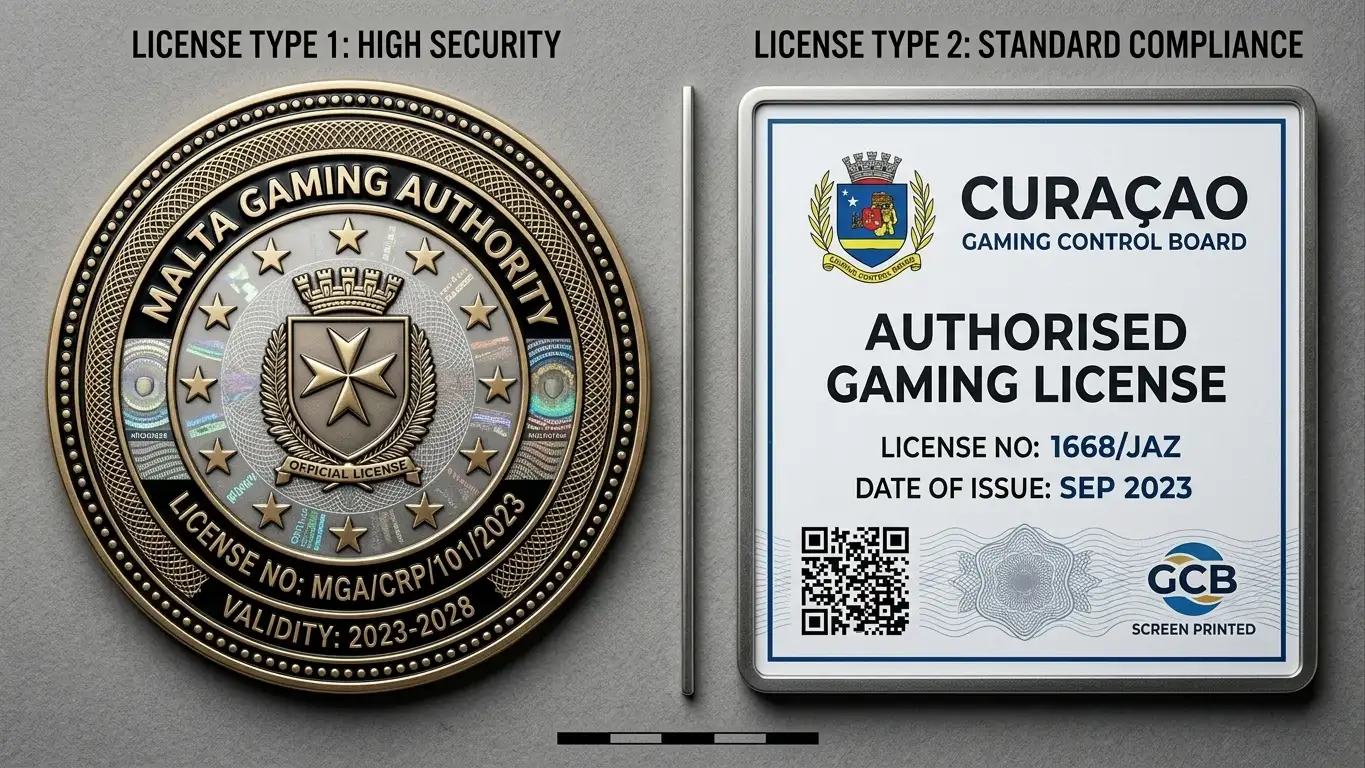
As regulators, the Malta Gaming Authority is generally considered more robust than Curaçao. It runs a player-support function, supervises operators actively and has fined and suspended licensees. Curaçao’s system, now overseen by the Curaçao Gaming Authority after the end of the old master-licence model in 2024, is still bedding in, and its track record on player complaints is weaker.
For a UK resident, though, the comparison misses the point. A Malta licence lets an operator serve the markets that licence covers; it does not permit serving customers in Great Britain. A Malta-licensed site that accepts UK registrations without a UKGC licence is just as unlicensed for Great Britain as a Curaçao one, and the UK protections—GamStop, approved ADR, financial-risk checks, the 10x wagering cap—are missing in both cases.
The practical test is simple: check the site’s footer for the operating company’s UKGC account number, then confirm it on the Gambling Commission’s public register. If there’s no UKGC licence covering the website you’re on, it isn’t a casino UK players should be using, whatever other badges it displays.
Are Malta-licensed Interac casinos safer than Curaçao-licensed ones?
As regulators, Malta’s is generally the more robust of the two. But neither licence allows an operator to serve customers in Great Britain, so a Malta-licensed site taking UK players is just as unlicensed for Great Britain as a Curaçao one. For UK residents, the only licence that brings UK protections is a UKGC licence.
Why UK Players Should Skip Interac and Choose Trustly
Interac is an excellent payment system—for Canadians, in Canada. It depends on Canadian bank accounts, and no UKGC-licensed casino offers it. The sites that pair Interac with UK sign-ups are operating outside the UK system and leave British players without GamStop, approved dispute resolution or the UK’s spending protections.
If you’re a UK resident with a Canadian account, bring the money you want to use across to a UK account and play at licensed UK casinos. If you’ve never banked in Canada, Interac was never relevant: Trustly gives you the same pay-from-your-bank convenience, PayPal adds wide acceptance and quick payouts, and debit cards work everywhere.
Whatever method you choose, set a deposit limit before your first deposit, use the reality checks and time-outs licensed casinos provide, and treat gambling as paid entertainment rather than a way to make money. Lowering a limit takes effect immediately; raising one takes time, which is exactly the point.
Common Myths About Interac and UK Casinos
“A Malta licence covers UK players.” It doesn’t. Malta-licensed operators can be well run, but serving customers in Great Britain requires a UKGC licence. Without one, the site is unlicensed for Great Britain, however good its home regulator.
“Using an offshore site is legal, so it must be safe.” The Gambling Act puts the offence on the operator rather than the player, but that says nothing about safety. The protections that matter when things go wrong—GamStop, approved dispute resolution, financial-risk checks—only come with a UKGC licence.
“Interac is anonymous.” It isn’t. Every e-Transfer comes from a named Canadian bank account, and the bank keeps full records. Interac’s privacy benefit is simply that the merchant doesn’t see your card number or banking login.
“Bigger offshore bonuses are better value.” A large percentage match with 40x wagering on bonus plus deposit can require many thousands in bets before you can withdraw, and maximum-bet and maximum-cashout rules often apply. A smaller UK bonus capped at 10x wagering is usually worth more in practice.
“A Canadian account is the only way to pay by bank.” UK open banking does the same job from a UK account. Trustly and similar “Pay by Bank” options give instant deposits with no card details and usually same-day withdrawals.
If You Already Have Money at an Offshore Site
If you’ve already signed up with an offshore casino and have a balance there, the priority is getting your money back and limiting further exposure.
Request a withdrawal of your full balance and keep records: screenshots of your balance, the withdrawal request and any messages with support. Expect identity checks before payment—offshore sites often apply them only at withdrawal—and provide what is reasonably requested. Avoid taking a bonus while a withdrawal is pending, because bonus terms can complicate or void a cashout.
Once you’ve been paid, consider closing the account and asking the operator to self-exclude you. If the operator refuses to pay or stops responding, you have no UK dispute route, but you can report a site that is targeting UK customers without a licence to the Gambling Commission.
From then on, stick to UKGC-licensed casinos and set a deposit limit at each one. If you found it hard to stop, use GamStop and your bank’s gambling block, and talk to someone about it.
Safer-Gambling Tools Worth Setting Up
Whichever method you use, the tools available at UK-licensed casinos are worth a few minutes before you play.
Deposit limits come first. You’ll be asked to set one before your first deposit; choose daily, weekly or monthly figures you can genuinely afford to lose. Reductions apply immediately, while increases only take effect after a cooling-off period.
Reality checks pop up at intervals you choose to show how long you’ve been playing, and activity statements show how much you’ve deposited and lost. Time-outs let you step away for a day or several weeks without closing your account, and self-exclusion closes it for longer.
Outside the casino, most major UK banks and app-based banks offer a gambling block on debit cards, usually with a delay before it can be removed. GamStop covers every UKGC-licensed online operator at once, and blocking software for phones and computers can add a further barrier. Using several of these together works better than relying on willpower alone.
Checking a Casino Before You Deposit
A few minutes of checking avoids most problems, whichever payment method you use.
Start with the footer. A UKGC-licensed casino names its operating company and shows its Gambling Commission account number. Search the Commission’s public register for that number, confirm the licence is active and covers remote casino gambling, and make sure the domain you’re on appears under that licence. Some international groups run a licensed UK website and an unlicensed international one side by side, so the domain matters.
Next, read the cashier and the terms. Licensed UK casinos list their payment methods, minimum deposits, withdrawal processing times and any fees, and they state how customer funds are protected if the business fails—not protected, medium or high. The UKGC requires that disclosure but doesn’t require segregation, and there’s no compensation scheme, so the rating is worth a glance.
Finally, look at the safer-gambling page. A licensed site should explain deposit limits, reality checks, time-outs and self-exclusion, and link to GamStop. If a site advertises that it is “not on GamStop”, accepts UK sign-ups and has no UKGC licence, it has already told you everything you need to know.
Casino Deposit Methods UK 2026 — Compare Payment Options
Content created by the «Bankrol Bridge» team