
UK Low-Deposit Casinos: £1, £5, £10 & £15 Options Compared 2026
 Available in GB

Low-deposit casinos cluster at three distinct tiers in the UK market. £1 entry points exist but come with constraints the advertising tends to bury in footnotes. £5 unlocks the major brands. £10 removes most friction and opens full bonus eligibility. £15 sits in no-man’s land — not a separate tier, just another number any £10-minimum operator accepts.
The real question: which threshold fits your goal. Testing a platform before committing serious money needs a different entry point than casual weekend play. The tier matters less than understanding what each pound unlocks and what it leaves on the table.
Most UK casinos set their floor at £10 or above; sub-£5 minimums are the exception. Where £1 entry does exist, it comes in two forms: debit cards at a handful of smaller brands such as DragonBet, BetWright and PricedUp, and phone-bill payments at pay-by-mobile specialists such as MFortune, Mr Spin and PocketWin. The second route caps deposits at around £30 a day and forces withdrawals through a bank account or e-wallet, whatever you funded the account with.
What matters is which UKGC-licensed operators sit at each tier, which payment methods unlock them, and what practical constraints low deposits impose. Bonus thresholds sit higher than deposit minimums. Withdrawal floors create trapped-funds friction. Wagering requirements scale differently depending on whether you pick a traditional operator or a zero-requirement transparency model. The tiers exist; the question is which one solves your specific problem without creating new ones.
Why Low-Deposit Casinos Matter in the UK (and Which Tier Suits You)
Deposit minimums are access gates. A £1 threshold tests whether the cashier works and payouts land without the operator inventing obstacles. A £5 entry reaches household-name brands without the £20 commitment their welcome offers demand. A £10 deposit unlocks those offers and removes most withdrawal-minimum friction.
Different thresholds solve different problems. Picking the wrong tier either locks funds you cannot extract until reaching a withdrawal minimum, or bypasses friction you could have avoided by depositing three pounds more.
When a £1 Deposit Makes Sense (Platform Testing)
£1 entry serves one purpose well: checking whether an operator’s promises survive contact with their actual systems. Sign-up friction, game library quality, cashier speed, whether support answers or vanishes — a single pound exposes these without risking serious money.
Some £1 routes run through Pay by Mobile, where services such as Boku add the charge to your next phone bill (or take it from prepaid credit) and cap spending at around £30 a day. Withdrawals from mobile-funded deposits have to go to a bank account or e-wallet, because a phone bill can’t receive a payout.
Other £1 operators, DragonBet among them, take debit cards (and, at DragonBet, Apple Pay). That avoids the £30 daily cap and lets withdrawals return to the card you paid with.
The limitation that matters: withdrawal minimums. Most £1 operators set cashout floors at £5 or £10. Deposit £1, win £9 and request a payout, and it works even at a £10 floor. Deposit £1 and win £3, and your balance sits below the threshold until you deposit more or win enough to cross it. That’s not malice, just the fixed cost of processing small payouts.
BetWright, PricedUp and London.bet list £1 withdrawal minimums alongside their £1 deposit floors. That symmetry removes the trapped-funds problem, so confirm it in the cashier before you rely on it.
When to Start at £5 (Casual Play with Real Options)
£5 is where the major brands start. bet365, William Hill, Paddy Power, Ladbrokes, Betfred, Coral — all anchor at £5 via debit cards, PayPal and Apple Pay. The tier unlocks established operators with deep game libraries, fast payouts and regulatory track records spanning decades.
The trade: bonus eligibility typically starts at £10 or £20, not £5. A fiver gets platform access but not the welcome offer. For casual play without bonus chasing, that is fine. For players who want every promotion, £5 entry is a stepping stone, not the destination.
Payment flexibility improves at £5: cards, PayPal, Apple Pay and Google Pay all work, there’s no £30 mobile cap, and withdrawals can route back to the funding method.
Withdrawal minimums at £5-tier operators typically sit at £10, a narrower gap than at the £1 tier but still a source of friction: an £8 balance can’t be cashed out until it reaches £10.
When £10 Is the Smarter Entry Point (Serious Play)
£10 removes most constraints. Bonus eligibility starts here. Withdrawal minimums match deposit minimums. Payment methods span the full range including Revolut and instant bank transfers. Game access is unrestricted — not that £1 or £5 deposits lock you out, but £10 entry signals intent and the operators respond accordingly.
Premium brands cluster at £10. LeoVegas, PlayOJO, MrQ, Videoslots — operators that either pioneered no-wagering models or built reputations on massive game libraries. These are not necessarily better casinos than £5-tier options, but they position themselves as destinations rather than entry points.
The £10 tier is where welcome offers activate without asterisks. Deposit £10, receive 50-100 free spins or a deposit match up to £50-£200. Wagering requirements have been capped at 10x under UKGC rules since 19 January 2026. Clearing a £10 bonus with 10x wagering requires £100 staked, not £350 under the old 35x standard most operators ran before the cap.
PlayOJO and MrQ operate zero-wagering models. Deposit £10, receive free spins — winnings are withdrawable cash immediately. No turnover requirement, no game-weighting surprises, no fine print redefining what counts towards clearing. The transparency trades promotional generosity for honesty, which solves a different problem than maximising “free” spin counts.
Why £15 Isn’t a Separate Tier
No UKGC operator sets its minimum at £15. Players often have £15 in mind as a budget, but the market does not cluster there; £15 falls within the standard range any £10-minimum casino accepts.
The budget is real. The tier is not. If your budget is £15, any £10-minimum operator accepts your deposit without question. The important figure is the floor, not every integer above it.
Is it better to start with a £1 deposit or go straight to £10?
Start at £1 if you want to test an unfamiliar operator before committing real money, and go straight to £10 if you want a welcome bonus or to avoid withdrawal-minimum friction. The £5 middle ground suits casual play at major brands when you are not chasing bonuses.
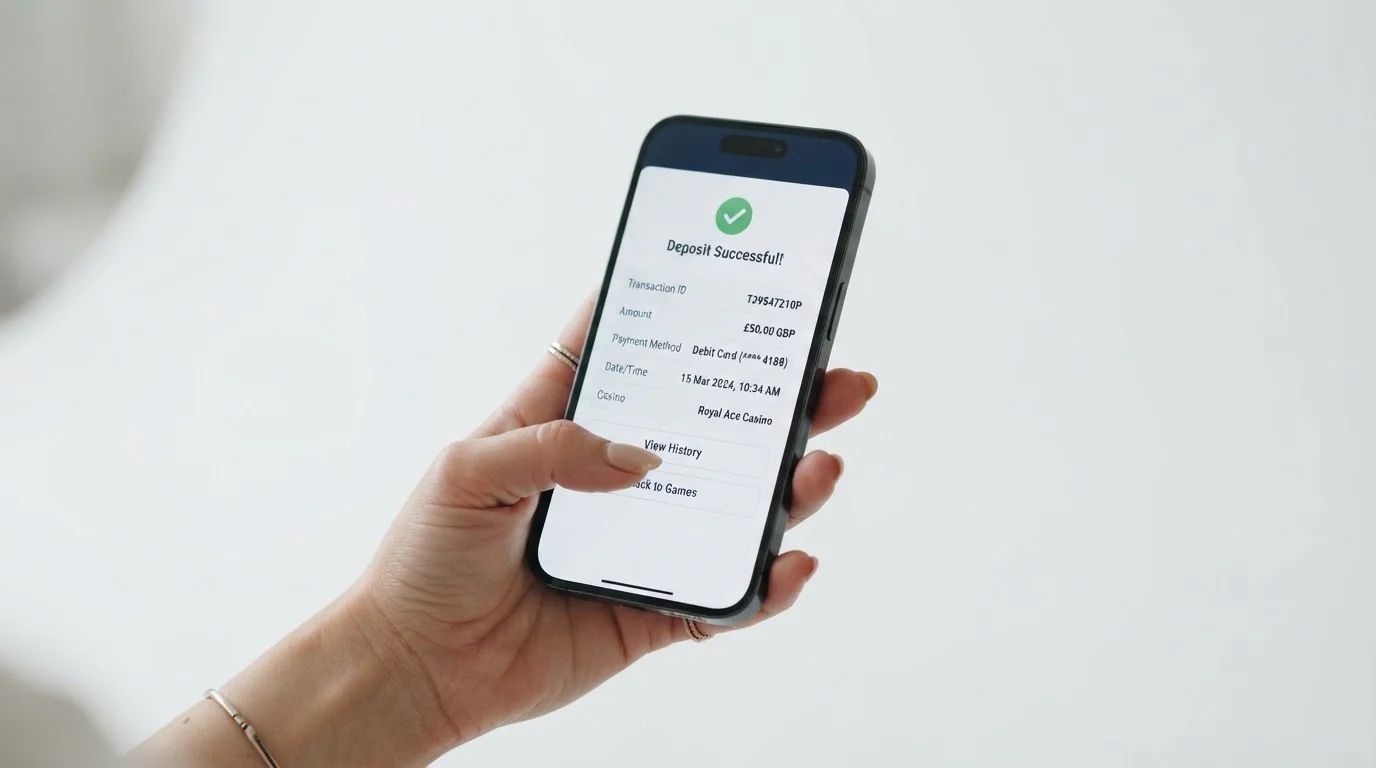
£1 Minimum Deposit Casinos — The True Entry Point
Eleven UKGC-licensed operators accept £1 deposits in 2026. Most take debit cards at £1, while three (MFortune, Mr Spin and PocketWin) take £1 only through Pay by Mobile. These are platform-testing entry points, not comfortable long-term homes for serious bankrolls.
The tier exists because some players want proof an operator pays out before risking a tenner. Fair scepticism. The catch: withdrawal minimums create friction that rarely makes the headline. Deposit £1, clear any wagering, reach a £4 balance, and you’re still below a £5 or £10 cashout floor. Not fraud, just economics: the fixed cost of a tiny payout eats much of its value.
| Operator | £1 Deposit Method | Min Withdrawal | Wagering | Payout Speed |
|---|---|---|---|---|
| DragonBet | Debit cards, Apple Pay | £10 | 0x | 1-3 days |
| BetWright | Debit card | £1 | 0x | 1-3 days |
| PricedUp | Debit card | £1 | 2x | Can be same day |
| London.bet | Debit card | £1 | 10x | Can be same day |
| Lottoland | Debit card, Apple Pay | £5 | See operator terms | 1-3 days |
| MFortune | Phone bill | £10 | 10x | 1-3 days |
| Mr Spin | Phone bill | £5 | 10x max (was 35x) | 1-3 days |
| PocketWin | Phone bill | £10 | 10x max (was 35x) | 1-3 days |
| HighBet | Debit card | £10 | 0x (cash spins) | See operator terms |
| AK Bets | See cashier | See operator terms | See operator terms | See operator terms |
| NRG | See cashier | See operator terms | See operator terms | See operator terms |
Lottoland — Lottery Betting Meets £1 Casino Access
Lottoland built its name on lottery betting — wagering on the outcome of international draws without buying official tickets. The casino offering sits secondary. The £1 minimum works by debit card and Apple Pay, which makes sense given Lottoland’s lottery-betting roots, where small-stake access is the business model.
The split focus matters. This is not a pure casino operator competing with LeoVegas or bet365. The game library skews towards slots with lottery-style mechanics. Table game variety is adequate but not deep. Live casino exists but feels bolted-on rather than integrated.
For players already using Lottoland for lottery betting, the £1 casino minimum removes friction. For pure casino players, the operator is functional but unremarkable beyond the low entry threshold.
DragonBet — £1 via Debit Cards and Apple Pay
DragonBet accepts £1 via debit cards and Apple Pay, so there’s no £30 daily mobile cap and withdrawals can route back to the card you paid with.
The minimum withdrawal is £10. The asymmetry creates the same trapped-funds friction as other £1 operators despite the payment-method flexibility. Zero-wagering bonuses help — winnings are immediately withdrawable rather than locked behind turnover requirements.
Sports betting and casino share one account, which suits combo players but adds navigation clutter for casino-only users. The game library is respectable without being distinctive; the draw is simple card-based £1 access.
MFortune — Mobile-First with Proprietary Games
MFortune operates £1 deposits exclusively via phone bill, with card minimums at £10. The mobile-first approach extends beyond payment methods into the game library — proprietary titles developed in-house rather than licensed from NetEnt, Pragmatic Play or other third-party providers. The games render smoothly on phones because they were built for that screen size first.
Proprietary content divides opinion. Players accustomed to Book of Dead or Starburst mechanics find MFortune’s offerings jarring. Players tired of seeing the same NetEnt catalogue at every operator appreciate the novelty. There is no neutral position — either the unique library is a selling point or a dealbreaker.
Payouts run 1-3 days, and the withdrawal minimum is £10, well above the £1 deposit floor. The UKGC licence is active, and the public register lists any enforcement history if you want to check it before depositing.
Welcome bonus structures vary — deposit match up to £50 with 10x wagering, or 50 wager-free spins with higher deposit requirements. The maths favours the wager-free option if budget allows.
Mr Spin — Slots-Only £1 Entry via Mobile
Mr Spin strips the offering down to slots and mobile billing. No table games, no live casino, no sports betting. £1 via phone bill gets you slot access. That is the proposition.
The slots-only focus keeps the platform simple. No navigation hierarchy deciding whether you want European Roulette or Speed Baccarat. Load the site, pick a slot, play. The simplicity suits casual players who find multi-vertical casinos overwhelming.
Wagering historically ran high at 35x. Since 19 January 2026, UKGC rules cap bonus wagering at 10x, so new offers must sit at or below that level. Check current terms before depositing — any offer still quoting 35x predates the cap and is expensive in disguise.
Payouts land in 1-3 days. The withdrawal minimum is £5, lower than at many £1 operators but still above the deposit floor. The gap means winning £3 leaves you stuck until you either win more or top up.
PocketWin — Proprietary Games and £1 Mobile Deposits
PocketWin follows a similar model to MFortune: £1 via phone bill, proprietary in-house games and mobile-first design.
Its proprietary library is different from the usual NetEnt and Pragmatic Play line-up. Whether that matters depends on your appetite for non-standard slot mechanics. The games work smoothly on mobile devices because they were coded for that environment from inception rather than ported from desktop Flash builds.
Deposit match bonuses are common. The structure typically offers 100% up to £50 with 35x wagering. At that requirement level, the bonus was effectively decorative unless you were planning to stake £1,750 anyway. The UKGC 10x cap now limits new offers to £500 of playthrough on the same bonus, so check the current terms.
The withdrawal minimum is £10 and payouts take 1-3 days. GamStop integration is mandatory, as it has been for all UKGC licensees since March 2020.
BetWright — £1 Deposit AND £1 Withdrawal
BetWright delivers rare symmetry: £1 minimum on both deposits and withdrawals. That eliminates trapped-funds friction entirely. Win £2, cash out £2. No waiting to hit £5 or £10 thresholds.
Zero-wagering bonuses remove the second layer of friction. Free spin winnings are withdrawable immediately as cash rather than locked behind turnover requirements. The transparency costs promotional generosity — five wager-free spins carry less headline appeal than fifty spins with 35x wagering, even though the expected value calculation often favours the former.
Payouts run 1-3 days, standard for the tier, and the game library is adequate without being deep. BetWright stands out among £1 options because it tackles the two problems most £1 casinos create: withdrawal minimums and wagering opacity.
PricedUp — £1 Deposits with Fast Payouts
PricedUp matches BetWright’s £1 deposit and withdrawal symmetry and can pay out quickly: verified withdrawals sometimes clear within minutes, although the official terms allow up to 5 working days, so plan around that.
Wagering sits at 2x — dramatically lower than industry standard but still double the zero-requirement transparency models. Clearing a £10 bonus with 2x wagering requires £20 staked, not £100 at 10x or £350 at the old 35x standard. The maths is manageable.
The speed-and-symmetry combination makes PricedUp one of the strongest £1 options for players who want in-and-out access without friction. The game library is respectable. The operator lacks the household-name recognition of bet365 or William Hill but delivers on operational basics.
London.bet — £1 Entry with Fast Withdrawals
London.bet offers £1 deposit and withdrawal minimums, and payouts for verified accounts can arrive the same day. The combination places it alongside PricedUp in the “actually functional £1 tier” category rather than the “technically possible but practically constrained” group most £1 operators occupy.
Wagering sits at 10x, matching the UKGC regulatory cap in force since 19 January 2026. Clearing a £10 bonus requires £100 staked.
The game library includes slots, table games and live casino, broader than slots-only specialists like Mr Spin, and navigation is clean. The operator is not flashy but competent — a functional choice for £1-tier access without the payment-method constraints mobile billing imposes.
HighBet — £1 Minimum with Cash Spins
HighBet is a UKGC-licensed operator that accepts £1 debit card deposits and sets a £10 withdrawal minimum. Its welcome offer pays 50 cash spins with no wagering once you deposit and stake £10, so the £1 tier opens the account but not the offer.
Smaller operators simply lack the track record established brands accumulate. A small test deposit and withdrawal tells you how the cashier behaves, and UKGC licensing guarantees the basics: identity checks, GamStop integration, a disclosed level of customer-funds protection and access to dispute resolution.
AK Bets — £1 Entry Point
AK Bets is a UKGC-licensed operator accepting £1 minimum deposits. Before depositing, check its terms and cashier for the withdrawal minimum, bonus wagering and payout times. For players willing to trial a lesser-known operator, it is another £1-tier option best judged with a small test deposit.
NRG — £1 Minimum Deposit Casino
NRG is a UKGC-licensed operator accepting £1 minimum deposits. As with AK Bets, look up the withdrawal floor and wagering terms in the cashier before you start, and let a small test deposit and withdrawal do the judging.
The £1 tier in aggregate: eleven operators, three with genuinely usable £1 withdrawal minimums (BetWright, PricedUp, London.bet), two with proprietary game libraries (MFortune, PocketWin), three that take £1 only by phone bill, and two best judged with a test deposit. The tier serves platform-testing needs adequately. Long-term play gravitates towards higher tiers where friction diminishes.
Can I really play at a UK casino with just £1? What are the limitations?
Yes. Eleven UKGC operators accept £1 deposits. The limitations: phone-bill deposits are capped at about £30 a day, withdrawal minimums of £5-£10 trap smaller balances, and bonus eligibility often starts at £10 rather than £1. Three operators (BetWright, PricedUp, London.bet) offer £1 withdrawal minimums, removing that friction.
Pay by Mobile — How Phone-Bill £1 Deposits Work
Pay by Mobile billing is the route behind £1 deposits at operators such as MFortune, Mr Spin and PocketWin. Carrier-billing services such as Boku add the charge to a contract customer’s next phone bill or deduct it immediately from prepaid credit, with an SMS code confirming each payment.
The system works smoothly for small deposits. It breaks down for withdrawals and larger transactions.
How Carrier Billing Works in Practice
You choose “Pay by Mobile” in the cashier and enter your phone number. The billing service texts you a verification code, you confirm it, and the deposit lands instantly. Contract customers see the charge on next month’s bill; prepaid users lose the amount from their credit straight away.
No credit card, no debit card, no PayPal login. The friction is low, which makes it appealing for genuinely small deposits. The phone company becomes payment intermediary. That shifts risk and verification burden away from the casino’s payment processor onto mobile networks.
Paying by phone bill does not replace age checks. UKGC-licensed casinos must verify your age and identity before you can deposit, whichever payment method you use, so the mobile network’s own 18+ checks are an extra layer, not a substitute.
The £30 Daily Cap and Why It Matters
Mobile networks cap pay-by-mobile gambling spend at around £30 a day. The cap is tied to your phone number, not to one casino account. Deposit £20 at MFortune, attempt £15 at Mr Spin the same day, and the second payment is likely to be declined.
The limit serves responsible gambling goals by restricting rapid deposit escalation. It also makes Pay by Mobile impractical for anything beyond entry-level testing. Players who hit the £30 ceiling must wait until the next calendar day or switch to card-based funding.
For £1 deposits, the cap is irrelevant. For £5 deposits, still comfortable. For £10 deposits, manageable but tight if you planned multiple sessions. Above £10, Pay by Mobile becomes functionally useless unless spread across multiple days.
Withdrawal Limitations from Mobile-Funded Accounts
Funds deposited via Pay by Mobile cannot withdraw to the phone bill. The payment rail is unidirectional. Casino cashiers require bank transfer or e-wallet details for payouts from mobile-funded accounts.
That adds verification friction. E-wallet withdrawals (PayPal, Skrill) require linking external accounts. Bank transfers require providing sort codes and account numbers the casino verifies against your registered name. Your identity was checked before the first deposit, but the new payout method still has to be verified before money leaves.
Payouts from mobile-funded accounts tend to be slower than from card-funded ones, because bank transfers take 1-3 business days and the new payout method needs verifying first.
Card Minimums vs. Mobile Minimums Explained
At the pay-by-mobile specialists, the £1 floor applies only to phone-bill deposits; their card minimums sit at £10. The reason is cost structure. Card processing carries fixed per-transaction costs that weigh heavily on very small payments, while carrier billing is priced differently and suits small, frequent charges.
Operators that do take £1 by card, such as DragonBet, BetWright and PricedUp, are choosing to absorb that cost as the price of acquiring customers. Economics, not technology, sets the floor.
Why do some casinos accept £1 via mobile billing but require £5 or £10 for card deposits?
Card processors charge per-transaction fees that make card payments below £5 barely viable for operators, while mobile billing aggregators price their service differently, so many small transactions still pay. The gap between a £1 phone-bill minimum and a £5 or £10 card minimum reflects those cost structures, not arbitrary policy.
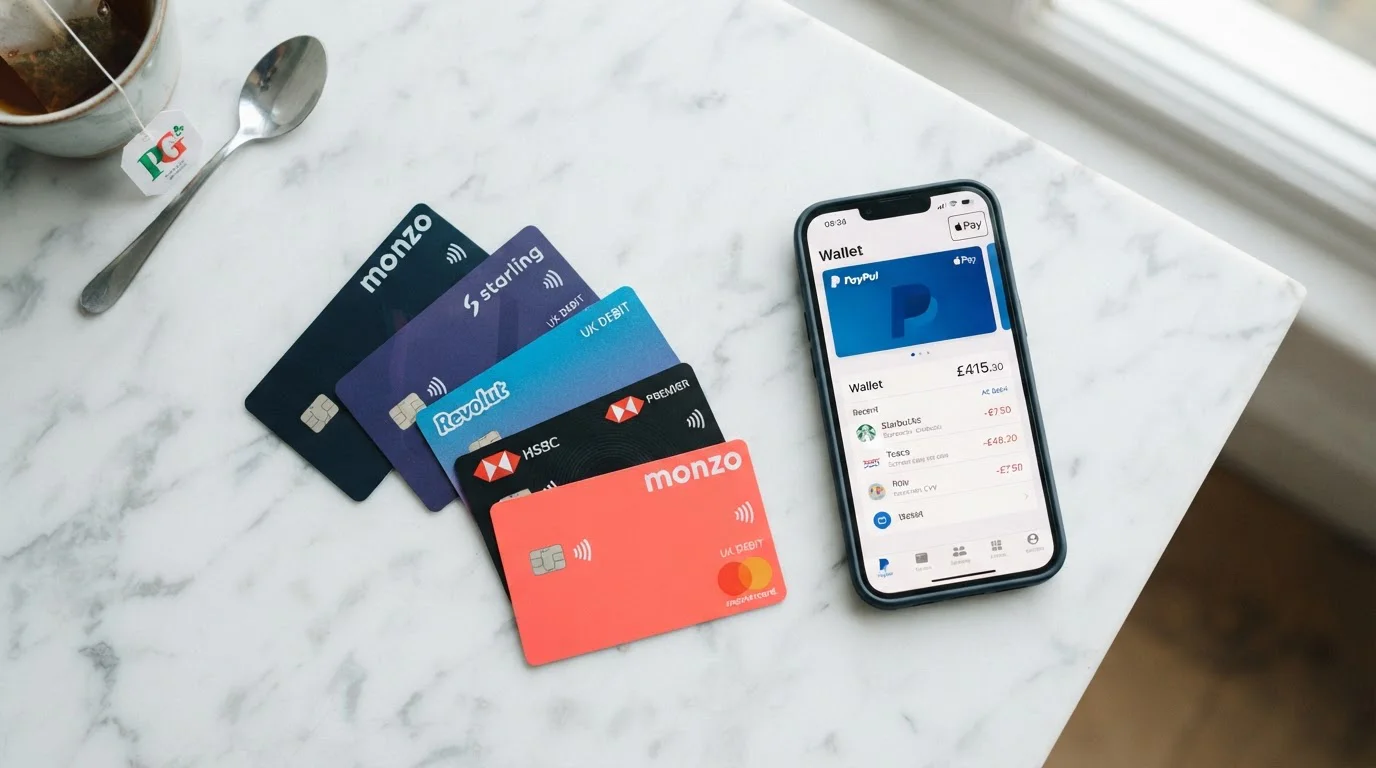
£5 Minimum Deposit Casinos — Where the Major Brands Start
Thirteen UKGC-licensed operators in this comparison anchor at £5 minimum deposits. This is where household names operate: bet365, William Hill, Paddy Power, Ladbrokes, Betfred, Coral. The tier represents the UK market’s centre of gravity — operators large enough to negotiate favourable payment processor terms, established enough to attract players without rock-bottom minimums as bait.
Payment methods expand at £5. Debit cards work almost everywhere, PayPal, Apple Pay and Google Pay all function, and mobile billing, where offered, is just one option among many.
Bonus eligibility typically starts at £10 or £20, not £5. The deposit threshold and promotion threshold split. A fiver gets platform access, game library, full cashier functionality. It does not trigger welcome packages advertised at £10 minimum qualifying deposits. Not hidden — just clearly stated in bonus terms most players skip reading.
Withdrawal minimums at £5 operators typically sit at £10. The gap is narrower than at £1 tier but creates identical friction for balances between £5 and £9.99. Deposit £5, win £7, request payout — denied until balance hits £10. The trapped-funds problem persists, just with smaller magnitude.
| Operator | Ownership Group | Min Deposit | Payment Methods | Welcome Offer Threshold | Distinguishing Feature |
|---|---|---|---|---|---|
| bet365 | Hillside (private) | £5 | Cards, PayPal, Apple Pay, Google Pay | £10 lifetime | 500 free spins structure, 0x wagering |
| William Hill | evoke plc (formerly 888 Holdings) | £5 | Cards, PayPal, Apple Pay | £10 | Founded 1934, land-based heritage |
| Paddy Power | Flutter Entertainment | £5 | Cards, PayPal, Apple Pay | £10 | Irish branding, horse racing focus |
| Ladbrokes | Entain plc | £5 | Cards, PayPal, Apple Pay | £10 | Founded 1886, shares entity with Coral |
| Betfred | Done family (private) | £5 | Cards, PayPal, Apple Pay | £10 | Independent ownership, not consolidated |
| Coral | Entain plc | £5 | Cards, PayPal, Apple Pay | £10 | Entain group, merged shops with Ladbrokes |
| Unibet | Kindred Group (FDJ-owned) | £5 | Cards, PayPal, Apple Pay | £10 | European reach, sister brand of 32Red |
| Grosvenor Casino | Rank Group plc | £5 | Cards, PayPal, Apple Pay | £10 | 50+ UK land-based casinos |
| Sky Bet | Flutter Entertainment | £5 | Cards, PayPal, Apple Pay | £10 | Sky Sports connection, sports-led |
| LottoGo | Private | £5 | Cards, PayPal | £10 | Lottery betting primary focus |
| LiveScore Bet | Private | £5 | Cards, PayPal, Apple Pay | £10 | LiveScore media app integration |
| Hollywoodbets | Private | £5 | Cards, PayPal, Apple Pay | £10 | South African brand in UK market |
| All British Casino | Private | £5 | Cards, PayPal, Apple Pay | £10 | UK-themed, casino-only (no sports) |
bet365 — Market Leader at £5 Entry
bet365 operates under Hillside UK Gaming ENC, one of the UK’s largest UKGC licensees by player volume. Its £5 minimum deposit works across debit cards, Apple Pay and Google Pay (PayPal can carry a higher minimum), with instant processing. The cashier has been tested at scale for two decades — it works.
Welcome structure runs up to 500 free spins requiring £10 lifetime deposits, claimed within 30 days, revealed across ten separate days. Zero wagering on free spin winnings. That last detail matters. Most operators attach 10x-35x turnover requirements making “free” spins expensive to extract. bet365’s 0x structure means winnings land as withdrawable cash immediately.
Sports betting integration is smooth. Live streaming for thousands of events requires funded account or bet placement in prior 24 hours. The streaming is bet365’s distinctive feature, with few operators matching its breadth of coverage. For casino-only players, the integration adds navigation complexity without delivering value.
The game library runs deep without being industry-leading. NetEnt, Pragmatic Play, Evolution for live dealer. Standard spread. The operator competes on operational reliability and sports integration, not casino innovation.
William Hill — Historic Brand, £5 Minimum
William Hill carries UK betting heritage back to 1934. Now owned by evoke plc (formerly 888 Holdings) after a complex consolidation, the brand maintains separate identity and operational systems. The £5 minimum applies across standard payment methods.
The high-street shop network complements the online operation, though closures have shrunk it from its peak. The omnichannel integration matters for players who want both high-street betting and online casino access under one account.
The casino offering is competent without being distinctive. Slots dominate, table games are present, live casino functions adequately. The brand recognition drives traffic more than casino-specific innovation. Players choosing William Hill choose it for the name and longevity, not the game library or bonus structures.
Welcome offers vary by promotion period. Typical structure: deposit £10, receive matched bonus up to £50 with 10x wagering. The terms are standard post-UKGC-cap rather than innovative.
Paddy Power — Flutter Entertainment at £5
Paddy Power operates under PPB Entertainment Limited within Flutter Entertainment, one of the world’s largest gambling companies. Flutter also owns Sky Bet, Betfair, FanDuel and others. The scale matters — technology investment, regulatory compliance resources, M&A firepower.
The £5 minimum works across cards, PayPal and Apple Pay. The cashier is polished. The brand personality is cheeky Irish humour, sometimes landing, sometimes grating depending on taste. Marketing leans into irreverence. The approach distinguishes Paddy Power from corporate-bland competitors.
The horse racing focus is pronounced. The sportsbook emphasises racing markets with enhanced odds and promotions. The casino feels secondary, though game selection is comprehensive. Expect slots from major providers, live casino via Evolution, standard table games.
Welcome bonus structures change frequently. Typical format: deposit £10, receive free spins or matched funds up to £50, 10x wagering. Nothing revolutionary but aligned with UKGC requirements.
Ladbrokes — Entain Group, £5 Entry
Ladbrokes operates under LC International Limited within Entain plc, one of three massive consolidators dominating UK gambling (Flutter, Entain, evoke). It was founded in 1886, so the heritage claim is legitimate: well over a century of operation through multiple regulatory regimes.
The £5 minimum applies via cards, PayPal and Apple Pay. The operator shares backend systems with Coral under the same Entain umbrella. The shop network is extensive, combined with Coral’s estate after the merger; together the two brands ran more than 3,000 shops at their peak.
The casino is professionally executed without innovation. The game library mirrors other Entain brands. Expect slots from NetEnt, Pragmatic Play, Blueprint, Big Time Gaming. Live casino comes via Evolution. The offering is competent and indistinguishable from Coral’s parallel operation.
Welcome bonuses align with UKGC caps. Deposit £10, receive matched funds or free spins up to £50, 10x wagering. The operator competes on brand recognition and omnichannel presence, not casino-specific differentiation.
Betfred — Independent Operator at £5
Betfred remains privately owned by the Done family. Independent in an industry dominated by three mega-groups. That independence shows in operational quirks — slower to adopt some innovations, faster on others, not beholden to public-company quarterly reporting cycles.
The minimum deposit is £5. Payment methods include cards, PayPal and Apple Pay. Cashier is functional without being slick. The operator prioritises horse racing and football in sports betting, carrying that focus into casino promotions.
The game library is standard: slots from major providers, table games and a functional live casino, with no distinctive angles. The brand appeals to players who prefer independent operators over consolidated giants, though the practical difference at player level is minimal.
Its shop estate runs to well over a thousand, a substantial retail presence alongside the online operation.
Coral — Entain’s £5 Brand
Coral operates under the same LC International Limited legal entity as Ladbrokes within Entain plc. The two brands share backend systems, payment processing, game libraries and regulatory infrastructure. They differ primarily in front-end branding and marketing tone.
The £5 minimum works across cards, PayPal and Apple Pay. The cashier mirrors Ladbrokes functionality because it is the same cashier under different styling. Its shops sit in the same combined estate as Ladbrokes’.
The casino offering is indistinguishable from Ladbrokes at operational level. Same game providers, same live casino feed, same payment processing times. The brand choice between Coral and Ladbrokes is aesthetic preference, not functional differentiation.
Welcome bonus structures align with Entain group standards. Deposit £10, receive free spins or matched funds up to £50, 10x wagering. Promotions rotate frequently, typical of large operators testing what converts.
Unibet — Kindred Group at £5
Unibet belongs to Kindred Group, now owned by France’s FDJ, which also runs 32Red in the UK.
The minimum deposit is £5. Payment methods span cards, PayPal and Apple Pay. The international scale shows in cashier polish — Kindred operates across jurisdictions with varying payment landscapes, building systems that work universally.
The game library is deep, with slots from 50+ providers. Live casino comes via Evolution and NetEnt Live. Table game variety exceeds UK-only operators because Kindred sources content for multiple markets simultaneously. The breadth matters for players who exhaust standard NetEnt and Pragmatic catalogues.
Sports betting is prominent. The sportsbook predates the casino, which shows in navigation hierarchy. Casino players tolerate extra clicks reaching game lobbies. Sports bettors get streamlined paths to markets.
Grosvenor Casino — Land-Based Heritage, £5 Online
Grosvenor operates under Rank Group plc, one of the UK’s oldest gaming companies, with more than 50 land-based casinos across the UK. The physical presence predates online operation by decades. Grosvenor pivoted to omnichannel rather than starting digital-first.
The online minimum deposit is £5. Payment methods include cards, PayPal and Apple Pay. The cashier works smoothly, reflecting Rank’s investment in digital infrastructure during the 2010s pivot.
Casino is the core vertical, not an afterthought bolted onto sports betting. The game library emphasises slots and live dealer because that is what land-based properties push. Table game variety exceeds sports-led competitors. Roulette, blackjack, baccarat — multiple variants.
The land-based connection matters for players who want online and physical venue access under one account. Play online during the week, visit a London or Edinburgh property on weekends, same player tier and comp tracking. Niche appeal but genuine for that segment.
Sky Bet — Flutter’s Sports Brand at £5
Sky Bet operates under Bonne Terre Limited within Flutter Entertainment. The brand connection to Sky Sports provides media integration competitors cannot replicate. Live scores, stats feeds, editorial content — all funnel towards the betting interface.
The £5 minimum works across cards, PayPal and Apple Pay. Sports betting dominates the platform hierarchy. Casino exists but feels secondary. Navigation reflects sports-first design with casino relegated to submenus.
The game library is adequate, with slots from standard providers and a live casino. The offering does not compete with casino-specialist operators. Sky Bet pulls players through sports media integration, offering casino as convenience feature rather than destination.
Welcome bonus structures vary. Typical format: deposit £10, receive free spins or free bets, 10x wagering on casino component. The split sports/casino offers confuse some players expecting unified promotions.
LottoGo — Lottery + Casino at £5
LottoGo operates lottery betting as primary vertical, adding casino secondarily. The £5 deposit minimum works across standard methods. The split focus mirrors Lottoland’s model — betting on lottery draw outcomes rather than buying official tickets, with casino games added for player retention.
The casino game library is functional without depth. Slots dominate, table games are sparse. The operator targets lottery players expanding into casino games, not casino enthusiasts seeking lottery options. That demographic skew shapes game selection and promotion structures.
The brand appeals to players already using LottoGo for lottery betting. For pure casino players, the offering is unremarkable beyond the £5 entry threshold shared with major competitors.
LiveScore Bet — Sports-Led Casino at £5
LiveScore Bet launched as gambling arm of the LiveScore media app, which provides live scores and sports news to millions. The media-to-betting pipeline mirrors Sky Bet’s Sky Sports connection, just with newer infrastructure.
The minimum deposit is £5. Payment methods span cards and PayPal. Sports betting is the core proposition. Casino operates as secondary vertical. The game library is professional without differentiation — standard provider slate, adequate live casino, functional table games.
The LiveScore app integration drives player acquisition. Users checking football scores encounter betting prompts. The conversion funnel is direct. Casino benefits from sports-driven traffic without being the acquisition focus.
Hollywoodbets — South African Brand at £5
Hollywoodbets originates in South Africa and has expanded into the UK under a UKGC licence. Its £5 minimum works across standard methods.
The sports betting focus is pronounced. South African racing markets feature prominently alongside UK and Irish racing. Football coverage is comprehensive. Casino feels bolted-on rather than integrated.
The game library is standard. The operator is building its UK presence, focusing first on sports where brand strength translates from home market. Casino grows as secondary priority. For players wanting South African racing access with UK regulatory protection, Hollywoodbets solves a niche problem.
All British Casino — UK-Themed, £5 Entry
All British Casino operates as casino specialist, no sports betting distraction. The UK theming is overt — branding, imagery, marketing copy. The £5 deposit minimum works across cards, PayPal and Apple Pay.
The game library spans slots, table games and live casino. The operator is mid-sized, lacking scale of bet365 or Flutter brands but professionally executed. No distinctive technology or game exclusives — standard provider relationships.
The casino-only focus appeals to players frustrated by sports-centric competitors where finding slot lobbies requires navigating through football markets. All British Casino puts games first in navigation hierarchy. Niche positioning but clear.
Welcome bonuses align with UKGC standards. Deposit £10, receive free spins or matched funds, 10x wagering. The terms are conventional, competing on execution rather than structure innovation.
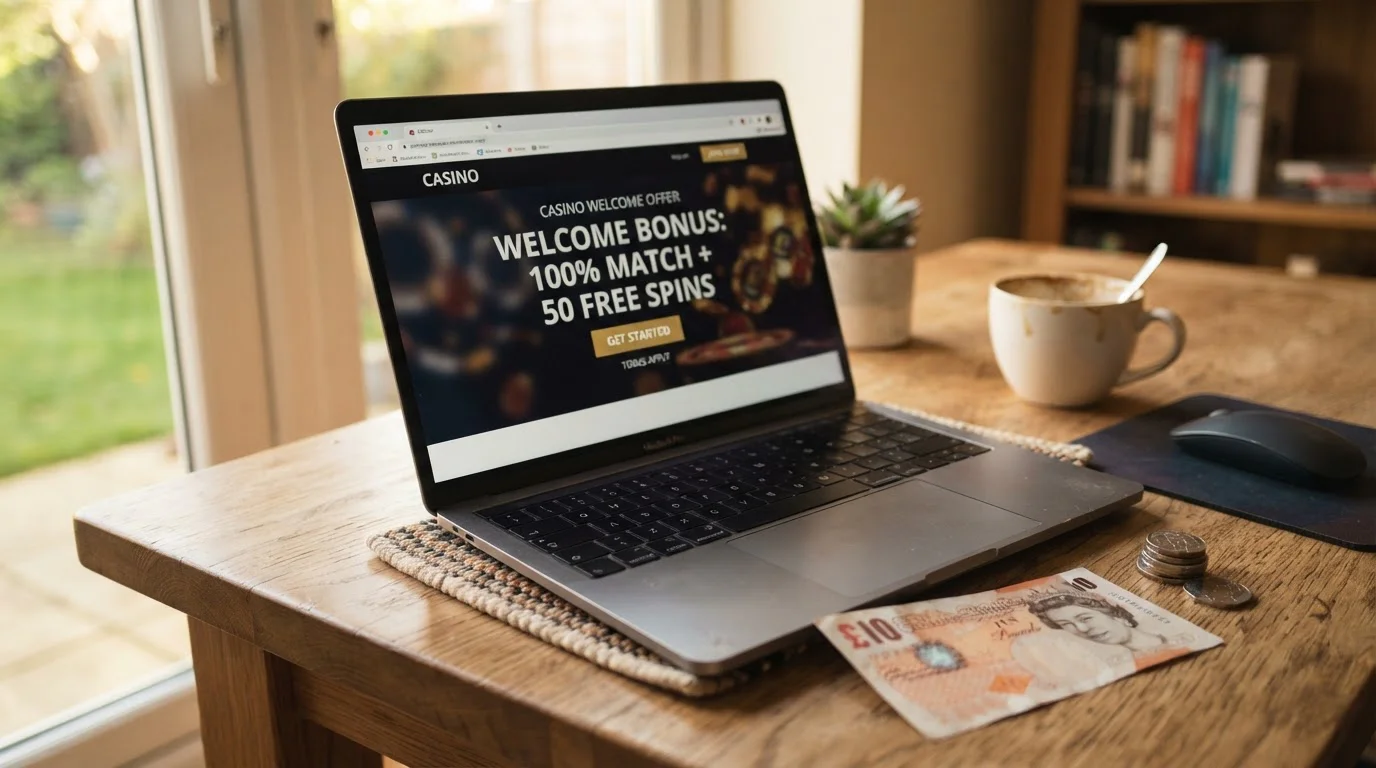
£10 Minimum Deposit Casinos — Premium Operators and No-Wagering Models
Ten UKGC-licensed operators in this comparison set minimums at £10. This tier splits into two camps: premium brands positioning £10 as quality signal (LeoVegas, Videoslots) and transparency operators pioneering zero-wagering models (PlayOJO, MrQ). The division matters because it represents fundamentally different value propositions.
Premium operators at £10 minimums emphasise game library depth, mobile app quality, VIP programmes and brand prestige. Zero-wagering operators strip promotional gimmicks and offer “what you win is yours immediately” as selling point. Both camps solve for player trust but via opposite strategies.
Payment methods at £10 span the full range. Debit cards, PayPal, Apple Pay, Google Pay, Revolut, instant bank transfers via Trustly and Open Banking. No payment constraints remain. Withdrawal minimums typically match deposit minimums at £10, eliminating trapped-funds friction that plagues lower tiers.
Bonus eligibility activates at £10 without asterisks. Welcome offers require £10 minimum deposits to trigger. The threshold and the minimum align. Deposit £10, receive 50-100 free spins or matched funds up to £50-£200 depending on operator. Wagering has been capped at 10x since the UKGC rule change of 19 January 2026, except at zero-wagering operators who skip requirements entirely.
| Operator | Min Deposit | Wagering Model | Welcome Offer | Game Library Size | Payout Speed | Distinguishing Feature |
|---|---|---|---|---|---|---|
| PlayOJO | £10 | 0x | 50-80 free spins | 7,000+ | 24-48h | Pioneered zero-wagering in 2017 |
| MrQ | £10 | 0x | 100 free spins | 900+ | Often within hours (PayPal) | Zero-wagering, fast PayPal payouts |
| LeoVegas | £10 | 0x spins | 50 wager-free spins | 2,000+ | 24h e-wallet | MGM ownership, mobile-first heritage |
| Videoslots | £10 | 10x (match) | 100% up to £200 + 11 spins | 7,000-12,000 | 24-48h | One of the largest UK game libraries |
| Sky Vegas | £10 | 0x spins | 200 spins + 50 no-deposit spins | 1,500+ | 24-48h | Flutter group, slots specialist |
| Betfair Casino | £10 | 0x spins | 100 spins + 50 no-deposit spins | 2,000+ | 24-48h | Betting exchange heritage |
| Gala Bingo | £10 | Up to 10x | See operator terms | 800+ | 24-48h | Bingo-led, Entain group |
| Mr Vegas | £10 | Up to 10x | See operator terms | 1,000+ | 24-48h | Vegas theming |
| BetAhoy | £10 | Up to 10x | See operator terms | See operator terms | See operator terms | Recently launched |
| BetCrown | £10 | Up to 10x | See operator terms | See operator terms | See operator terms | Recently launched |
PlayOJO — Pioneering 0x Wagering at £10
PlayOJO launched in 2017 under SkillOnNet Limited with a radical proposition: zero wagering requirements across all bonuses. Every free spin, every cashback payment, every promotion — winnings are withdrawable cash immediately. No turnover multipliers, no game-weighting tricks, no fine print redefining completion.
The model was disruptive. Legacy operators ran 35x-40x wagering requirements as standard, making “free” spins expensive to extract. PlayOJO’s 0x structure exposed that friction. Competitors scrambled to adjust, some lowering requirements, others doubling down on promotional quantity over quality. The UKGC’s 10x wagering cap, in force since January 2026, partially vindicated PlayOJO’s approach years after launch.
A £10 minimum deposit activates the welcome offer. The standard offer is 50 free spins, with some versions of the promotion giving 80. All spins are genuinely wager-free. Win £20 from spins, withdraw £20. The simplicity is the point.
The game library exceeds 7,000 titles, depending on how you count. Slots dominate. Live casino comes via Evolution. Table games come from standard providers. The breadth is competitive without being market-leading. Videoslots exceeds PlayOJO on pure title count.
OJOplus cashback system returns small percentages on every spin, win or lose. The cashback lands as cash, not bonus funds. Rates are low — fractions of a per cent — but accumulate without wagering friction. The psychological appeal is consistent small wins rather than promotional explosions followed by clearing frustration.
Payouts run 24-48 hours for e-wallets, longer for bank transfers. Not the fastest but reliable. Verification is standard KYC — ID document, proof of address. The operator occasionally requests source-of-funds documentation for large withdrawals, standard practice under AML rules.
MrQ — No-Wagering Transparency at £10
MrQ operates under Lindar Media Limited, following PlayOJO’s zero-wagering blueprint. A £10 minimum deposit unlocks 100 free spins on Big Bass Splash with 0x requirements. Winnings are cash. Withdraw immediately if you wish.
PayPal payouts typically land within a few hours, against 24-48 hours at many operators, and that speed is genuine differentiation.
The game library is smaller, at 900+ titles. Slots dominate. Live casino is present but limited. Table game variety is basic. The operator focuses on slots specialists rather than full-spectrum casino players. If your preference is roulette or baccarat, MrQ disappoints. If you want fast-payout slots without wagering friction, it delivers.
The no-frills positioning extends beyond bonuses into branding: deposit, play, withdraw. The simplicity appeals to players exhausted by promotional complexity at traditional operators.
What’s the difference between no-wagering casinos like PlayOJO and traditional casinos?
No-wagering operators such as PlayOJO and MrQ pay free spin winnings as cash you can withdraw straight away. Traditional casinos attach wagering, now capped at 10x, so you must stake winnings several times before cashing out. Zero-wagering offers look smaller on paper but trade headline generosity for transparency.
LeoVegas — “King of Mobile Casino” at £10
LeoVegas has been owned by MGM Resorts since a 2022 acquisition. Its “King of Mobile Casino” positioning dates to its 2012 launch, when mobile-first design was rare. The brand built reputation on smooth mobile app experience before competitors prioritised phone interfaces.
The £10 minimum applies across all payment methods: cards, PayPal, Apple Pay, Revolut, instant bank transfers. Welcome offer delivers 50 wager-free free spins on Big Bass Splash. Deposit £10, opt in, play £10 on qualifying games within seven days. The 0x structure on free spin winnings aligns with PlayOJO’s transparency approach despite LeoVegas being traditionally premium-positioned.
The game library exceeds 2,000 titles, with slots from NetEnt, Pragmatic Play, Big Time Gaming, Push Gaming. Live casino comes via Evolution. Table games come from multiple providers. The breadth is competitive for a premium operator without reaching Videoslots volume.
Mobile apps for iOS and Android are polished. The interface is smooth. Game loading times are fast. The mobile-first heritage shows in details competitors miss — portrait mode optimisation, one-thumb navigation, sensible default stake amounts for phone play.
Payouts settle within 24 hours for e-wallets. Trustly instant bank transfers land in 1-5 minutes when banks process instantly. The speed is above-average. Verification follows standard KYC procedures. Large withdrawals trigger enhanced checks, standard across the industry.
MGM ownership provides scale and resources. The land-based casino giant’s technology investment flows into digital operations. Whether that translates to player-facing improvements is debatable. MGM purchased LeoVegas for market position, not because the product needed rescuing.
Videoslots — 7,000-12,000 Games at £10
Videoslots runs one of the largest game libraries available to UK players. The count varies between 7,000 and 12,000 depending on whether you include all variants, temporarily unavailable titles, and how you categorise table games. Even at conservative 7,000 figure, it exceeds PlayOJO’s library and dwarfs most competitors.
The minimum deposit is £10. Welcome bonus: 100% match up to £200 plus 11 wager-free spins. The match bonus carries 10x wagering aligned with UKGC cap. The 11 spins are genuinely wager-free, mirroring zero-requirement operator practices despite Videoslots being traditional wagering model.
Game provider relationships are extensive. Expect slots from 50+ studios. Live casino comes via Evolution and other suppliers. Table games come from multiple developers. The breadth matters for players who exhaust standard NetEnt and Pragmatic catalogues and want obscure provider offerings.
Battle of Slots is a tournament feature where players compete on slots with leaderboard rankings. Entry fees vary. Prize pools are funded by entries. The competitive angle appeals to players who find solo slot play repetitive. For casual spinners, it is a distraction ignored.
Videoslots has faced regulatory action in the past, and its licence remains active; the UKGC register shows the full history if that matters to you.
Payouts run 24-48 hours standard. Verification is typical KYC. The operator occasionally requests extensive source-of-funds documentation, frustrating players who encounter it unexpectedly. This is AML compliance, not malice, but communication could improve.
Sky Vegas — Flutter’s Slots Specialist at £10
Sky Vegas operates under Bonne Terre Limited within Flutter Entertainment, separate from Sky Bet sports brand despite shared parent company. The split allows slots-specialist positioning without sports betting navigation friction.
New players get 50 no-deposit free spins after age verification, then 200 more after depositing and staking £10, all with no wagering on winnings.
The game library exceeds 1,500 slots. Table games are present. Live casino functions adequately. The operator is mid-tier on game count, exceeding smaller brands but trailing PlayOJO and Videoslots. Slots selection is curated towards popular titles rather than comprehensive provider catalogues.
Flutter Entertainment’s scale provides technology and compliance resources. Payment processing is reliable. Withdrawal timescales run 24-48 hours standard. The operational basics function smoothly without being exceptional.
Sky brand connection provides marketing reach. Players familiar with Sky Sports or Sky Bet extend trust to Sky Vegas based on brand recognition. Whether that translates to better player experience is separate question. The brand is an asset; the product is competent.
Betfair Casino — Exchange Heritage at £10
Betfair Casino operates as casino vertical alongside Betfair betting exchange, both under Flutter Entertainment ownership. The exchange is Betfair’s core innovation — peer-to-peer betting where users back and lay outcomes, with Betfair facilitating rather than acting as house.
The casino minimum deposit is £10, and the casino runs a traditional house model, not exchange mechanics. The welcome offer is 50 no-deposit spins (promo code required) plus 100 more after depositing and staking £10, with no wagering on winnings.
The game library exceeds 2,000 titles. Expect slots from major providers. Live casino comes via Evolution. Table games come from NetEnt, Playtech, others. The offering is professional without distinctiveness. Betfair competes on exchange betting innovation; casino is complementary vertical without unique angles.
Flutter group resources ensure smooth operations. Payouts run 24-48 hours. Verification follows standard procedures. The operator benefits from group scale and regulatory compliance infrastructure.
Gala Bingo — Bingo-Led Casino at £10
Gala Bingo operates under Entain plc, focusing on bingo with casino secondary. The £10 minimum deposit works across standard methods. The bingo rooms drive player acquisition; casino games support retention.
The bingo offering is comprehensive. Multiple rooms with varying ticket prices and prize pools. The community features — chat moderators, room themes, scheduled games — create social atmosphere solo casino games lack. For bingo enthusiasts, Gala is destination site. For casino players, it is adequate fallback.
The casino game library exceeds 800 slots. Table games and live casino are present. The selection is smaller than casino-specialist competitors but sufficient for players whose primary interest is bingo.
Land-based bingo hall heritage matters. Gala operated physical venues before transitioning online. The brand recognition among traditional bingo players is strong. That demographic skews older than typical online casino users, shaping game selection and marketing tone.
Mr Vegas — Vegas Theme at £10
Mr Vegas leans hard on Vegas theming and takes £10 minimum deposits. The game library exceeds 1,000 slots. Table games and live casino are present. The offering is mid-tier — professionally executed without being exceptional.
Vegas theme extends through visual design and promotional language. Whether that resonates depends on player preference. Some find themed branding immersive; others see it as superficial gloss on standard operations.
The operator is established without being household-name scale. Game provider relationships are solid. Payment processing works reliably. Withdrawal timescales run 24-48 hours standard. The product delivers operational basics without innovation.
BetAhoy — New Entrant at £10
BetAhoy is a recent launch with a £10 minimum deposit, too new to have built much of a track record.
UKGC licensing guarantees baseline compliance. Identity checks, GamStop integration, a disclosed level of customer-funds protection and dispute mechanisms are all mandatory for licence maintenance. Beyond those minimums, specifics on game library, payout speeds, bonus structures require hands-on testing.
Newer operators face trust deficit. Players gravitate towards established brands with track records. BetAhoy’s growth depends on converting early adopters who value trying new platforms over sticking with known quantities.
BetCrown — Recent Launch at £10
BetCrown is another recent launch with a £10 minimum deposit.
UKGC licensing provides baseline assurance. The operator meets regulatory minimums required for licence issuance and maintenance. The game library size, provider relationships, payment processing quality, support responsiveness — all require direct testing until the brand builds a track record.
The new-entrant challenge is identical to BetAhoy: building trust in market dominated by decades-old brands. Early adopters get first look; mainstream players wait for track record.
Payment Methods by Deposit Tier — What Works Where
Payment method availability changes sharply across deposit tiers. £1 deposits run on debit cards at most £1 operators and on phone billing at the pay-by-mobile specialists. £5 unlocks debit cards, PayPal and Apple Pay almost everywhere. £10 adds Revolut, instant bank transfers, and removes all payment constraints. The tier dictates available methods more than individual operator policies.
Knowing which methods unlock which tiers saves time: a £1 card deposit at an operator that only takes £1 by phone bill will simply be refused.
£1 Tier: Debit Cards or Pay by Mobile
Most £1 operators take debit cards at £1, and DragonBet and Lottoland add Apple Pay. MFortune, Mr Spin and PocketWin take £1 only by phone bill, with card minimums at £10.
£30 daily cap applies across all Pay by Mobile transactions. Contract customers see charges on next month’s bill. Prepaid users lose credit immediately. Withdrawals cannot route back to phone bills — bank transfers or e-wallets required.
Operators that take £1 by card absorb a processing cost that consumes a large share of each deposit; others decide that isn’t worth it and set card minimums at £5 or £10.
£5 Tier: Debit Cards, PayPal, Apple Pay, Google Pay
£5 is where payment flexibility opens. Debit cards (Visa, Mastercard) work universally. PayPal, Apple Pay, Google Pay — all function. bet365, William Hill, Paddy Power, Ladbrokes, Betfred, Coral — every major £5 operator accepts this payment suite.
Transaction fees at £5 deposits are sustainable for operators. The percentage is manageable. Processing costs do not consume entire margin. That economic viability makes card-based £5 minimums standard across major brands.
Pay by Mobile remains available at some £5-tier operators, but cards avoid the £30 mobile billing cap, so your own deposit limits become the control that matters.
Instant deposits across all methods at £5 tier. Card payments process in seconds. PayPal and Apple Pay are immediate. The cashier experience at £5 matches higher tiers — no payment-method-based delays.
£10 Tier: Full Range Including Revolut and Instant Bank Transfers
£10 removes final payment constraints. Debit cards, PayPal, Apple Pay, Google Pay continue. Revolut appears at many £10 operators, LeoVegas among them. Instant bank transfers via Trustly and Open Banking become common.
Trustly and Open Banking allow direct bank account funding without card intermediary. Select your bank, authenticate via online banking credentials, approve transfer. Funds land in casino account instantly when bank processes immediately. The method suits players who prefer avoiding card or e-wallet steps.
Revolut appears more often at the £10 tier. It processes gambling payments much like a standard debit card, which has made it a popular choice among UK players.
No payment method restrictions remain at £10. Operators at this tier offer full range. The choice becomes preference-based rather than availability-constrained.
Credit Cards Banned — What It Means for UK Players
Credit card gambling deposits have been banned in the UK since 14 April 2020. UKGC rule prohibits all licensed operators from accepting credit cards for gambling transactions. Debit cards remain allowed. The distinction matters.
The rationale: credit cards enable gambling with borrowed money. Debt-fuelled gambling losses create harm. Debit cards limit deposits to funds actually held. The policy trades some player convenience for harm reduction.
In practice, players who use credit cards for everyday purchases need a debit card, e-wallet or bank transfer for gambling. Unlicensed offshore sites that still take credit cards are acting unlawfully by serving British players and offer none of the UK’s protections.
Which payment methods work for £1, £5, and £10 deposits?
£1: debit cards at most £1 operators, Apple Pay at DragonBet and Lottoland, and phone billing at MFortune, Mr Spin and PocketWin. £5: debit cards, PayPal, Apple Pay and Google Pay almost everywhere. £10: all methods including Revolut and instant bank transfers. Credit cards are banned at every tier.
| Method | £1 Tier | £5 Tier | £10 Tier | Daily Limits | Withdrawal Compatibility |
|---|---|---|---|---|---|
| Pay by Mobile (Boku) | Yes (pay-by-mobile specialists) | Yes | Yes | About £30 | No (bank or e-wallet only) |
| Debit Cards (Visa, Mastercard) | Yes (most £1 operators) | Yes | Yes | Set by your bank and deposit limits | Yes (same card) |
| PayPal | Rare | Yes | Yes | Set by PayPal and operator | Yes (same PayPal) |
| Apple Pay | Some (DragonBet, Lottoland) | Yes | Yes | Linked card’s limits | Via linked card |
| Google Pay | No | Yes | Yes | Linked card’s limits | Via linked card |
| Revolut | No | Rare | Yes | Set by Revolut | Yes (same Revolut) |
| Instant Bank Transfer (Trustly, Open Banking) | No | Rare | Yes | Set by your bank | Yes (same bank) |
| Credit Cards | Banned | Banned | Banned | N/A | N/A |
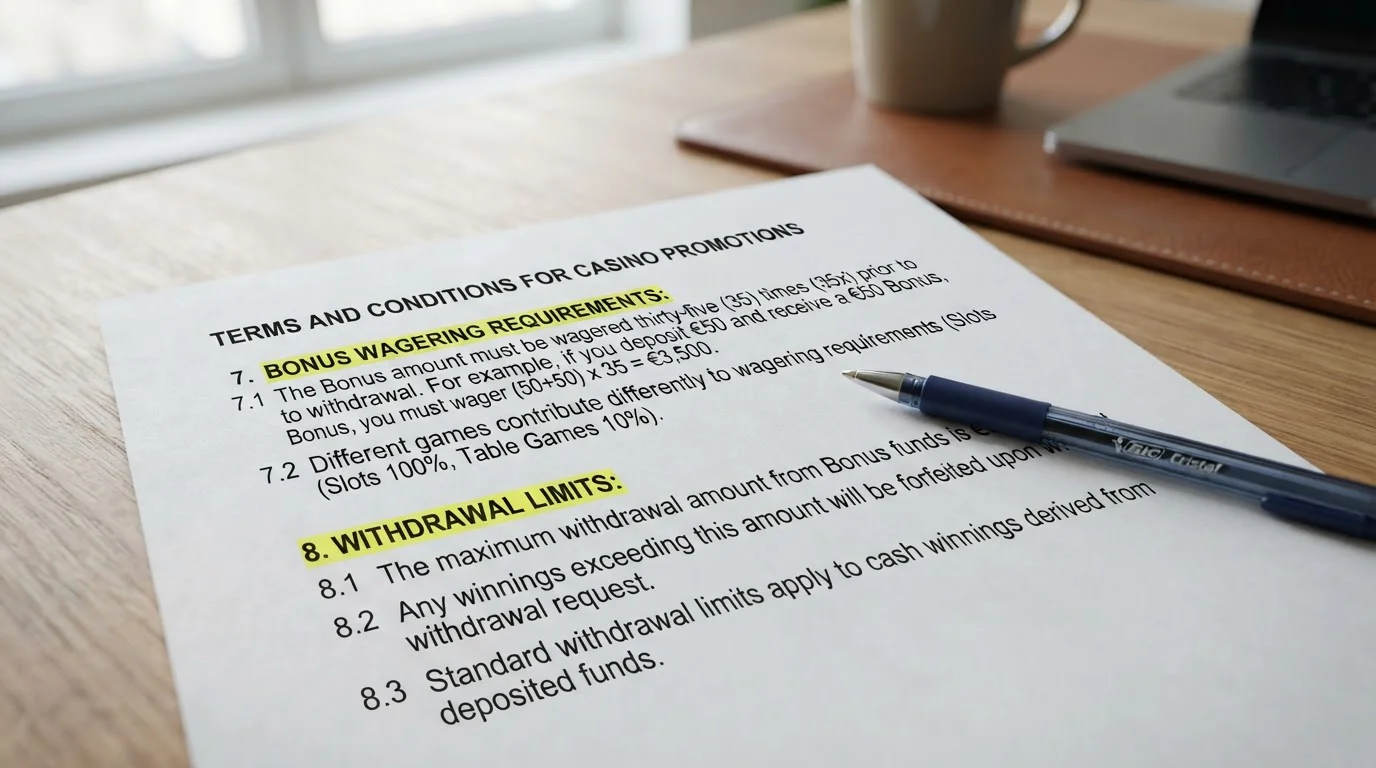
The Reality of Low-Deposit Play — Bonuses, Withdrawals, and Restrictions
Low deposit minimums unlock platform access. They do not unlock bonuses, eliminate withdrawal friction, or remove wagering requirements. Understanding what each tier actually delivers prevents disappointment when £1 deposits do not trigger £50 welcome packages.
The constraints exist for economic reasons, not malice. Processing a £1 withdrawal can cost a large share of its value in fees. Offering £50 bonuses on £1 deposits creates unsustainable acquisition costs. The maths dictates thresholds operators set.
Bonus Eligibility by Tier (Most Need £10, Not £1 or £5)
Welcome bonuses at UK casinos typically require £10 minimum deposits to activate. Some extend eligibility down to £5. Almost none trigger at £1. The disconnect between deposit minimums and bonus thresholds confuses players who assume £1 platform access includes £1 bonus eligibility.
bet365 requires £10 lifetime deposits for its 500 free spins structure. LeoVegas sets £10 minimum for 50 wager-free spins. PlayOJO, MrQ — both require £10. The pattern holds across operators regardless of stated deposit minimums.
Why the split? A £50 bonus with 10x wagering cleared on slots with a 4% house edge still hands the player about £30 in expected value (£50 minus roughly £20 lost over £500 of stakes). Attaching a £30 cost to a £1 deposit is economically unsustainable at scale.
The practical implication: £1 and £5 deposits buy platform access and game play. They rarely unlock promotional offers. For players prioritising bonuses, £10 entry is genuine minimum despite what deposit thresholds suggest.
The 10x Wagering Cap and What It Changed (January 2026 UKGC Rule)
UKGC capped casino bonus wagering requirements at 10x effective 19 January 2026. Previously, operators ran 35x-40x requirements as standard. The cap fundamentally changed bonus economics.
Old model: deposit £10, receive £10 bonus, clear it with 35x wagering requires £350 staked on slots. At 4% house edge, expected cost to clear is £14. The bonus was expensive to extract, effectively negative value unless variance worked favourably.
New model: deposit £10, receive £10 bonus, clear it with 10x wagering requires £100 staked. At 4% house edge, expected cost is £4. The bonus delivers genuine value — £10 received costs £4 to clear, netting £6 expected value before variance.
The cap forced operators to restructure. Some reduced bonus amounts to stay profitable at 10x; others switched to zero-wagering models offering smaller bonuses as immediately withdrawable cash.
Players who experienced pre-cap wagering requirements appreciate the difference viscerally. Clearing 35x felt like labour. Clearing 10x feels achievable. The psychological shift matters as much as mathematical improvement.
Withdrawal Minimums vs. Deposit Minimums (The £1 Deposit, £10 Withdrawal Trap)
Asymmetry between deposit and withdrawal minimums creates trapped-funds friction. Operator accepts £1 deposits but sets £10 withdrawal minimum. Deposit £1, win £4, request payout — denied. Balance sits below cashout threshold.
The pattern repeats at £5 tier. Operator accepts £5 deposits, sets £10 withdrawal minimum. Deposit £5, win £8, attempt withdrawal — rejected until balance hits £10. The gap is narrower but friction exists.
The economics: processing a bank transfer or e-wallet payment costs operators a fixed amount per transaction, which is trivial on £50 but a significant share of £2.
Three operators solve this at £1 tier: BetWright, PricedUp, London.bet. All match £1 deposit minimums with £1 withdrawal minimums. The symmetry eliminates trapped-funds problem entirely. Win £2, withdraw £2. No artificial threshold waiting.
Players choosing low-deposit operators should verify withdrawal minimums explicitly. The difference between £1 symmetry operators and £10 withdrawal floor operators is material. One allows free extraction, the other creates balance jail until hitting threshold.
| Deposit Tier | Typical Bonus Threshold | Common Bonus Structure | Wagering Requirement | Practical Clearing Cost Example |
|---|---|---|---|---|
| £1 | £10+ | 5-10 free spins or none | 0x-10x | £1 deposit rarely unlocks bonuses |
| £5 | £10+ | Free spins or small match | 10x | £10 bonus × 10x = £100 staked = £4 expected cost |
| £10 | £10 | 50-100 spins or up to £200 match | 0x-10x | £50 bonus × 10x = £500 staked = £20 expected cost |
No-Wagering Operators as the Transparency Alternative
PlayOJO and MrQ pioneered zero-wagering models in UK market. The value proposition: every bonus, every free spin, every cashback payment lands as immediately withdrawable cash. No turnover requirements. No game-weighting tricks. No fine print redefining completion terms.
The transparency trades promotional generosity for honesty. Under the old rules, a 50-spin zero-wagering offer looked smaller than a 200-spin offer with 35x wagering, but the maths reversed once clearing costs were counted: fifty wager-free spins worth £5 delivered roughly £5 in expected value, while £20 of spin winnings at 35x needed £700 of stakes and about £28 in expected losses, leaving minus £8 before variance.
Traditional operators adjusted after UKGC imposed 10x wagering cap. The gap between zero-wagering and capped-wagering operators narrowed. Ten times turnover is achievable where thirty-five times felt punitive. Whether zero-wagering remains distinctive selling point or becomes standard practice depends on competitive dynamics over coming years.
Players exhausted by bonus complexity appreciate zero-wagering operators. The mental load is lower. Win £20, withdraw £20. No calculator, no terms review, no game-weighting charts. The simplicity has value separate from mathematical expected value.
Do I need to deposit £10 to get a welcome bonus, or can I claim bonuses with smaller deposits?
Usually you need £10. Most UK welcome bonuses activate at a £10 qualifying deposit, a few extend down to £5, and almost none trigger at £1. The deposit minimum and the bonus qualifying threshold are separate figures, so check the specific bonus terms before you fund the account.
What’s the minimum withdrawal amount at £1 and £5 deposit casinos?
£1-tier operators typically set £5-£10 withdrawal minimums, with BetWright, PricedUp and London.bet the exceptions at £1. £5-tier operators usually require £10. Where the withdrawal floor sits above your deposit, small balances stay trapped until you win enough or top up to reach the cashout threshold.
Slots, Table Games, and Live Casino at Low Deposits
Game access at low-deposit casinos matches high-deposit equivalents at UKGC-licensed operators, which do not restrict games by deposit size. Deposit £1 or £100 — the same slot library, table game selection and live dealer rooms are available. The deposit amount limits play duration, not game accessibility.
Practical constraints emerge from game-level minimum stakes, not deposit-tier restrictions. Slots typically require £0.10-£0.20 per spin. Table games set £1-£5 minimum bets. Live dealer tables often start at £1 for blackjack and roulette, higher for baccarat. A £1 deposit funds limited sessions at these stakes; a £10 deposit provides more cushion.
Do £1 and £5 Deposits Restrict Game Access?
No. UKGC-licensed operators give every customer the same game library, so a £1 depositor and a £100 depositor see identical slots, tables and live rooms. What a small deposit limits is how long you can play at each game’s minimum stake, not which games you can open.
VIP rooms and high-limit tables sometimes require account history or player status earned through cumulative wagering. Those restrictions apply to all players until thresholds are met — they do not discriminate by current deposit size but by historical play volume.
Game demo modes allow free play without deposits. The restriction is cosmetic — real-money mode requires funded account, but any deposit amount unlocks it. A penny suffices technically; operators set minimums at £1 or £5 for transaction cost reasons, not game access gating.
Slot Stakes and How Far Your Deposit Goes
Slot minimum spins range from £0.10 to £1.00 depending on title. Penny slots accepting £0.01 minimum exist but are rare. Standard low-limit slots cluster at £0.10 per spin.
A £1 deposit funds ten spins at £0.10 stakes, £5 funds fifty and £10 funds one hundred. The maths is linear before considering wins extending play.
Variance matters enormously. A £1 deposit might last five minutes or thirty depending on whether early spins hit wins. Expected loss over ten £0.10 spins on 96% RTP slot is £0.04. Actual results diverge wildly over small samples. The deposit disappears quickly on cold runs or stretches significantly on hot streaks.
Medium and high-volatility slots produce larger swings; low-volatility slots grind more steadily. For small deposits, volatility affects session length more than an RTP difference of 1-2%: a low-volatility game usually stretches a small balance further, while a high-volatility one is more likely to wipe it out quickly or, occasionally, multiply it.
Table Games and Live Casino Minimums
Blackjack, roulette and baccarat typically set £1 minimum bets at live dealer tables, with some tables starting lower and busier ones at £1-£5.
A £1 deposit funds one blackjack hand at £1 stakes. Winning extends play; losing ends session immediately. The deposit floor is uncomfortable for table game players who prefer multiple-hand sessions managing variance.
A £5 deposit provides five hands at £1 stakes. Playable but tight. A £10 deposit delivers ten hands, approaching minimum comfortable bankroll for casual table game play. Serious players allocate £50-£100 minimum for table games to weather variance.
Baccarat often sets higher minimums — £5 or £10 per hand at many live tables. The game attracts higher-rolling players traditionally. Operators cater to that demographic with elevated minimum stakes.
RNG table games (non-live dealer) sometimes accept lower minimums than live equivalents. Software-based blackjack or roulette might allow £0.10 bets. The trade-off: no social atmosphere, no human dealer, faster game speed increasing hourly expected loss.
Game Library Sizes by Operator (Videoslots 7,000+ vs. Typical 2,000)
Videoslots runs one of the UK market’s largest game libraries at 7,000-12,000 titles. PlayOJO exceeds 7,000. LeoVegas sits around 2,000. bet365, William Hill, Paddy Power — all cluster at 2,000-3,000. Smaller operators run 500-1,500.
Does size matter? Depends. Players who exhaust standard NetEnt and Pragmatic catalogues appreciate Videoslots’ depth. Casual players overwhelmed by choice prefer curated 500-title libraries highlighting popular releases.
Provider diversity matters more than raw count. Operators licensing slots from 50+ studios offer variety. Single-provider reliance (proprietary games only, or exclusive NetEnt arrangements) limits choice regardless of title count within that provider’s catalogue.
Live casino scales less by title count and more by table quantity. Evolution Gaming provides standardised games (blackjack, roulette, baccarat variants) differentiated by table limits and bet-behind availability. Fifty live tables offer more variety than twenty despite technically being same games.
Can I play all games with a £1 or £5 deposit, or are some restricted?
UKGC operators provide full game library access regardless of deposit amount. No games are restricted by deposit size. Practical limitation: game-level minimum stakes (£0.10-£1 per spin, £1-£5 per hand) determine how many rounds your deposit funds, not which games are accessible.

UK Gambling Commission Licensing and What It Guarantees
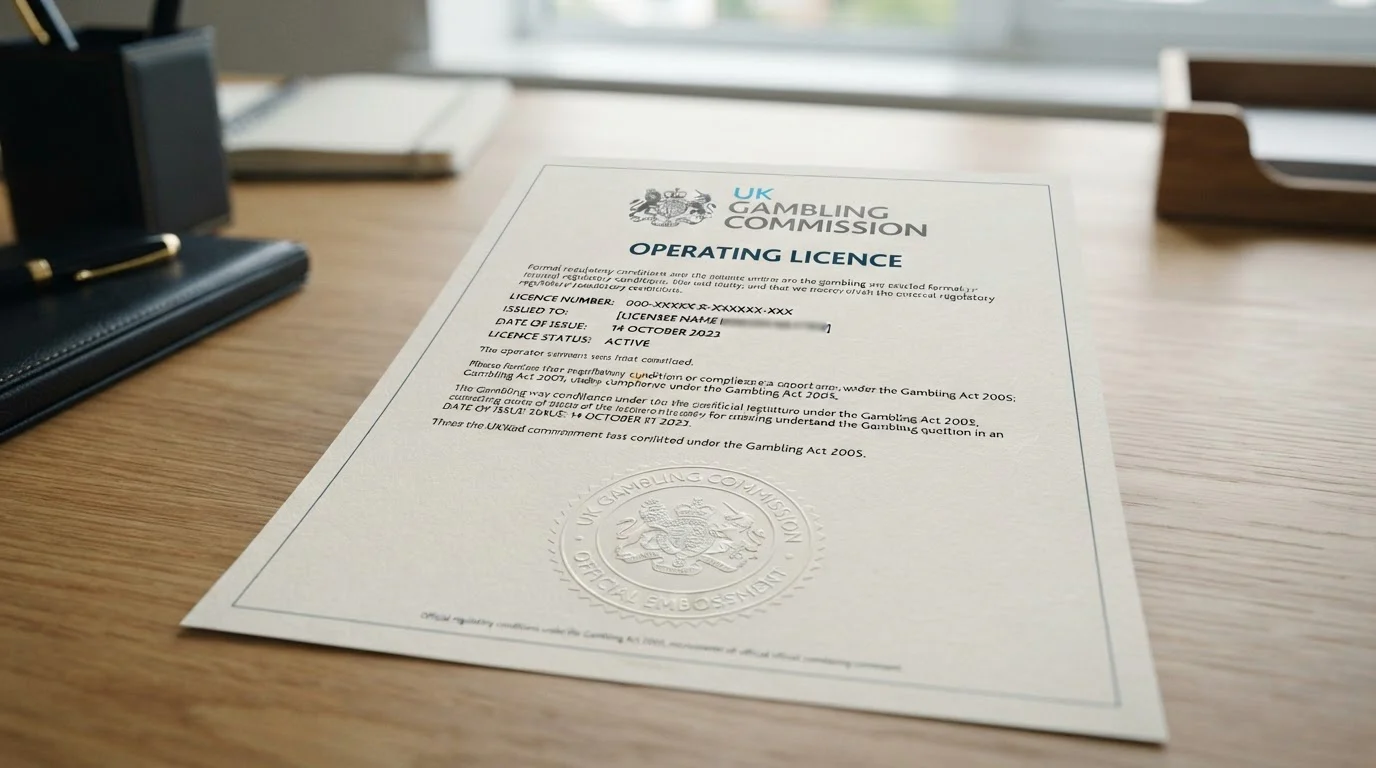
Every casino named in this guide holds a UK Gambling Commission licence; unlicensed sites don’t make the cut. UKGC licensing guarantees baseline operational standards, disclosure of how customer funds are protected, dispute resolution access, and regulatory oversight absent at unlicensed offshore operators.
The licence is verifiable. UKGC maintains public register at gamblingcommission.gov.uk listing every licensee, their licence number, operational domains, and licence status. Checking an operator’s licensing is twenty-second verification worth performing before depositing.
How to Verify a UKGC Licence
Visit gamblingcommission.gov.uk. Navigate to public register. Enter operator name or domain. Registry returns licence holder name, licence number (format: XXXXXX-R-XXXXXX-XXX), licence status (active/suspended/revoked), and operational domains covered.
bet365 example: Hillside UK Gaming ENC holds licence. LC International Limited covers Ladbrokes and Coral under single licence. Operators sometimes share licences under parent company structures. The registry clarifies relationships.
Licence number appears in operator website footer. Cross-reference footer claim against UKGC registry. Mismatches indicate problems — either operator is lying about licensing or website is phishing scam impersonating legitimate operator. Legitimate operators match exactly.
Active status matters. Suspended or revoked licences mean operator cannot legally serve UK players. Continuing to operate under suspended licence is criminal activity. Regulatory actions appear in UKGC enforcement register with dates and outcomes.
GamStop Integration (Mandatory Since March 2020)
GamStop is the UK’s national self-exclusion scheme. Players can register to block themselves from all UKGC-licensed gambling operators for six months, one year, or five years. Integration has been mandatory for all licence holders since 31 March 2020.
Registration is free and takes minutes at gamstop.co.uk. Once activated, players cannot create accounts or deposit at any UKGC operator for the chosen exclusion period. The block is comprehensive — sports betting, casino, bingo, poker, all products.
Operators that fail to honour GamStop risk losing their licence, which keeps compliance tight.
Unlicensed offshore casinos do not integrate with GamStop, which is exactly why they are dangerous for anyone who has self-excluded; the support routes for that situation are covered under GamStop Self-Exclusion further on.
Deposit Limits on a Gross Basis
UKGC rule changes in 2026 require licensed operators to offer deposit limits calculated on a gross basis, counting every deposit without subtracting withdrawals. Net deposit limits had let players withdraw funds and then redeposit, defeating the point of the limit.
Example of difference: player sets £100 weekly deposit limit. Under old net calculation, depositing £100, withdrawing £80, then depositing another £80 was permissible because net deposits (£100) stayed at limit. Under new gross calculation, the second £80 deposit is blocked because gross deposits (£180) exceed limit.
The change closes a loophole that let spending drift above the limit a player had chosen.
Players setting deposit limits should understand the calculation change. Withdrawals no longer create “room” for additional deposits under the gross methodology. The limit is absolute ceiling on incoming funds regardless of outgoing activity.
What UKGC Licensing Means for Your Money
UKGC licensing does not require operators to segregate player funds. It requires them to tell you how well your money is protected if the business fails, rated not protected, medium or high, and there is no statutory compensation scheme. Check the protection level in the operator’s terms before depositing larger sums.
Dispute resolution access: UKGC licensees must subscribe to Alternative Dispute Resolution (ADR) providers. Players with complaints still unresolved after eight weeks can escalate to the operator’s ADR provider, such as IBAS, for an independent decision. The process is free for players.
Operating standards cover game fairness (RNG certification), responsible gambling tools (deposit limits, loss limits, time-outs, self-exclusion), advertising restrictions (no misleading claims, no targeting vulnerable groups), and AML procedures (source-of-funds checks, enhanced due diligence).
Licence loss is existential threat. Operators invest heavily in compliance because losing UKGC licence ends UK market access. The regulatory sword hanging over licensees ensures baseline standards are maintained even when operators might prefer cutting corners.
Unlicensed operators lack these protections. No funds-protection disclosure. No binding dispute resolution. No regulatory oversight. Bigger bonuses or crypto payments do not make up for that, and the absence of GamStop is a hazard, not a feature.
Are low-deposit casinos safe and properly licensed in the UK?
Yes, as long as they hold a UKGC licence, and every casino named in this guide does. A low deposit minimum says nothing about safety: licensees must verify customers, offer responsible gambling tools, disclose how customer funds are protected and give access to independent dispute resolution. Check any operator on gamblingcommission.gov.uk before depositing.
Responsible Gambling at Low Deposits
Low entry thresholds create illusion of low risk. The maths disagrees. A player losing £1 fifty times deposits £50 total. The deposit minimum is £1; the cumulative exposure is £50. Frequent small deposits compound as effectively as single large deposits.
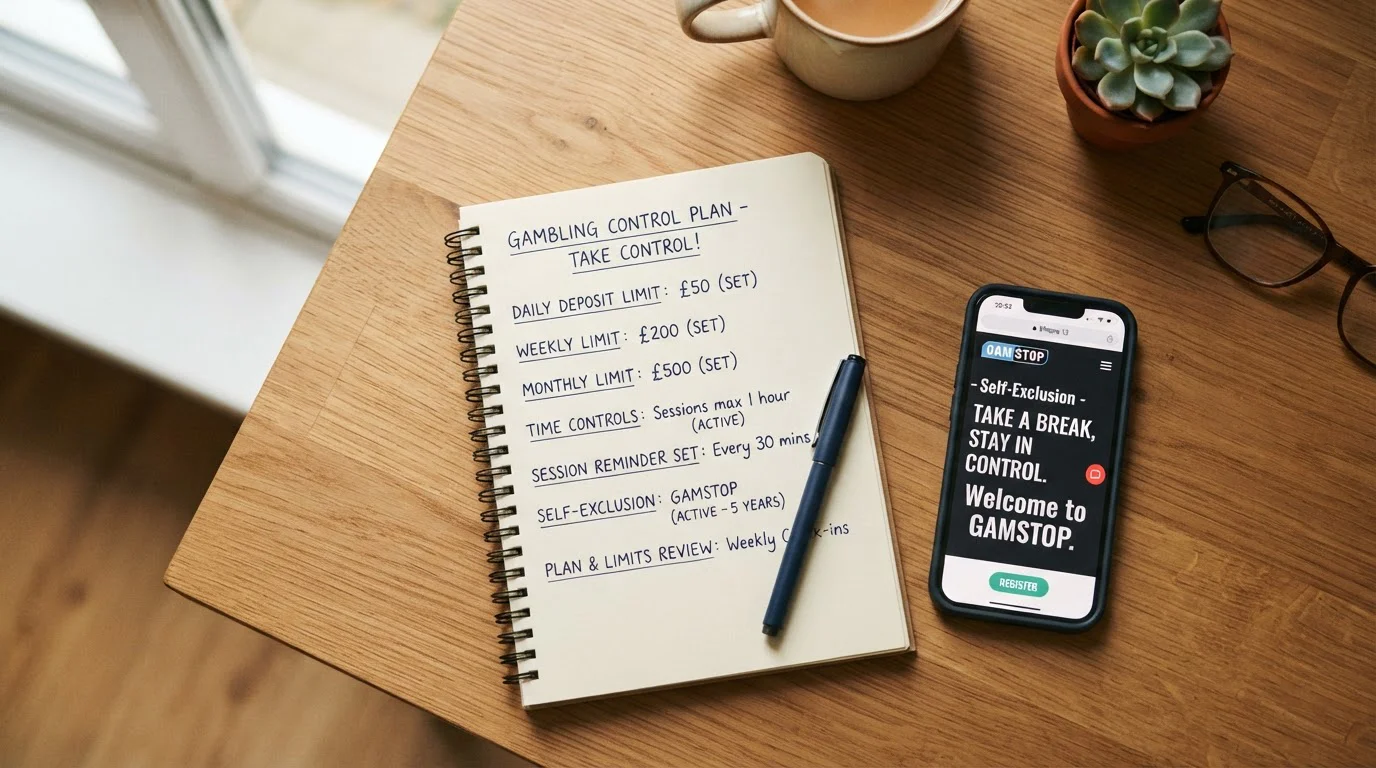
UKGC requires all licensees to provide responsible gambling tools: deposit limits, loss limits, time limits, reality checks, self-exclusion. These tools work identically across deposit tiers. A £1 minimum operator offers the same controls as a £100 minimum operator. Access and functionality are standardised.
Why “Low Stakes” Doesn’t Always Mean “Low Risk”
Psychological framing treats £1 deposits as trivial. Losing a pound feels inconsequential. Losing it fifty times in a session totals £50 — no longer trivial. The ease of topping up small deposits can accelerate spending faster than single larger deposits because each individual transaction feels affordable.
Mobile billing’s £30 daily cap provides some protection by enforcing waiting periods between deposit opportunities. Card-based £1 deposits lack that governor. Repeated £1 card deposits are frictionless, making loss accumulation invisible until reviewing bank statements.
The “testing” rationale for £1 deposits is legitimate — checking platform quality before larger commitment makes sense. The risk emerges when testing mindset persists across multiple sessions. One £1 test deposit is exploration. Twenty £1 deposits across three days is pattern requiring attention.
Deposit Limits, Loss Limits, and Time-Outs
Deposit limits cap incoming funds over daily, weekly or monthly periods. Setting £20 weekly limit blocks deposits exceeding that total regardless of individual transaction size. The tool works for budgeting if limits are set below uncomfortable loss levels and left unchanged when hitting caps. Lowering a limit takes effect immediately; raising one only applies after a cooling-off period, usually 24 hours.
Loss limits track net losses (deposits minus withdrawals) over specified periods. A £50 weekly loss limit blocks deposits once net losses reach £50. The calculation includes winnings withdrawn, making it tighter control than deposit limits for volatile sessions.
Time-outs suspend account access temporarily (24 hours to 6 weeks). The cooling-off period prevents impulsive return to play during loss-chasing or emotional states. Longer self-exclusions (6 months, 1 year or 5 years) run through the GamStop national scheme.
Reality checks are timer-based pop-ups reminding players how long they have been playing and how much they have deposited. Frequency is configurable (every 30, 60 or 90 minutes). The reminders interrupt momentum of extended sessions, prompting conscious decisions about continuing or stopping.
GamStop Self-Exclusion
GamStop registration blocks access to all UKGC-licensed operators for chosen period: six months, one year, or five years. Registration is free at gamstop.co.uk. The scheme is national — one registration blocks all licensed sites, not per-operator registration required.
Registration can take up to 24 hours to take effect. After that, players cannot create accounts or deposit at any licensed operator. Existing accounts are suspended. Funds are withdrawable; operators process closure requests from self-excluded players.
The period cannot be shortened. Choosing five-year exclusion means five years excluded — no early removal option. The design prevents impulsive self-exclusion followed by regretted cancellation days later. Choose the period carefully based on problem severity.
Unlicensed offshore operators do not honour GamStop; any site serving British players without a UKGC licence is acting unlawfully and offers no UK protection, funds-protection disclosure or approved dispute resolution. If the urge to get around a self-exclusion appears, treat it as a warning sign: call the National Gambling Helpline run by GamCare (0808 8020 133) for free, confidential support, and ask your bank to switch on its gambling block as a second barrier.
Financial Risk Assessments
The UKGC has been phasing in financial risk assessments, which operators carry out once a customer’s net deposits pass set thresholds. Light-touch checks use publicly available financial data; fuller assessments are reserved for much higher spending and affect only a small fraction of customers.
The fuller assessment involves source-of-funds inquiries. Operators request documentation proving income legitimacy: payslips, tax returns, bank statements. The process feels intrusive. The intent is preventing problem gambling financed through unsustainable means.
Players who reach the higher thresholds should expect verification requests. Responding promptly prevents account suspension. Operators freeze withdrawals pending satisfactory documentation. The policy is regulatory mandate, not operator discretion.
For low-deposit tier players, the higher thresholds are distant. Accumulating that exposure requires substantial deposit repetition. The risk assessment requirement is unlikely to trigger from normal low-stakes play unless maintained over extended periods.
How long do withdrawals take from low-deposit casinos?
It depends on the payment method, not the deposit tier. E-wallets such as PayPal and Skrill typically pay within 24-48 hours, and MrQ often in under three hours. Trustly instant bank transfers can land in 1-5 minutes, while debit cards and standard bank transfers take one to three business days.
Mobile-funded deposits can take longer to pay out, because withdrawals must go by bank transfer and may need manual checks. Verification status matters too: a first withdrawal can pause while the operator confirms your payment details.
Minimum Deposit Casinos UK 2026 — Low-Stake Options Compared
Content created by the «Bankrol Bridge» team