
Best Mobile Casino Pay With Phone Credit UK: Fees, Limits and Fonix Sites for 2026
 Available in GB
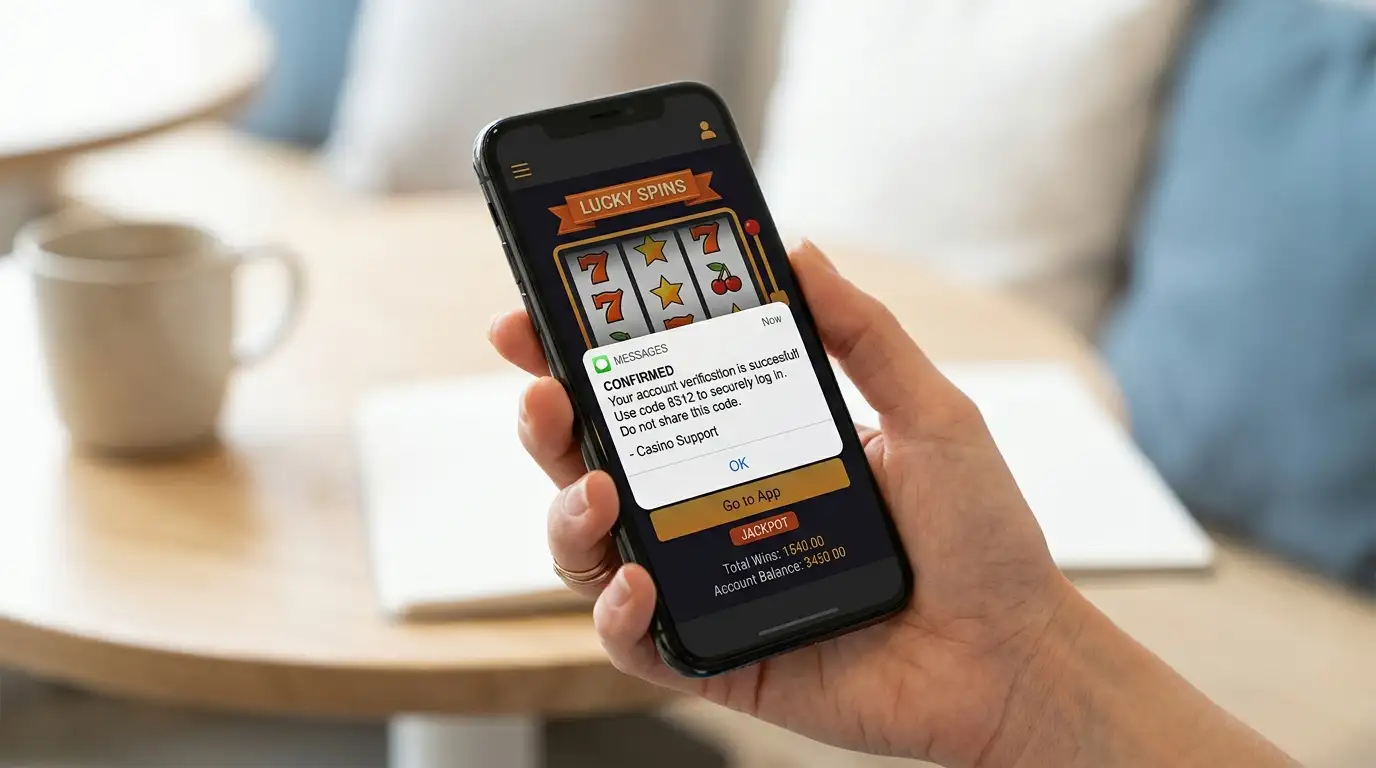
Paying with phone credit at a UK casino sounds simple until you realise half the sites still advertised for it no longer support it, the fees vary wildly, and the withdrawal story is never what the landing page implies. The market has shrunk. Payforit is gone. Boku, the name most players still associate with the method, has largely stepped back from UK casino cashiers. Even MrQ, a mobile-first brand, no longer offers direct phone-bill deposits and steers players towards Apple Pay or PayPal instead.
What remains is a small set of UKGC-licensed operators that genuinely accept phone credit or phone-bill charges, mostly through the UK billing provider Fonix. Some charge nothing. Others add 15 per cent on top. The daily cap is £30 or £40, depending on your network, and you cannot withdraw back to your phone—ever. That constraint shapes the entire use case.
What “paying with phone credit” actually means at a UK casino
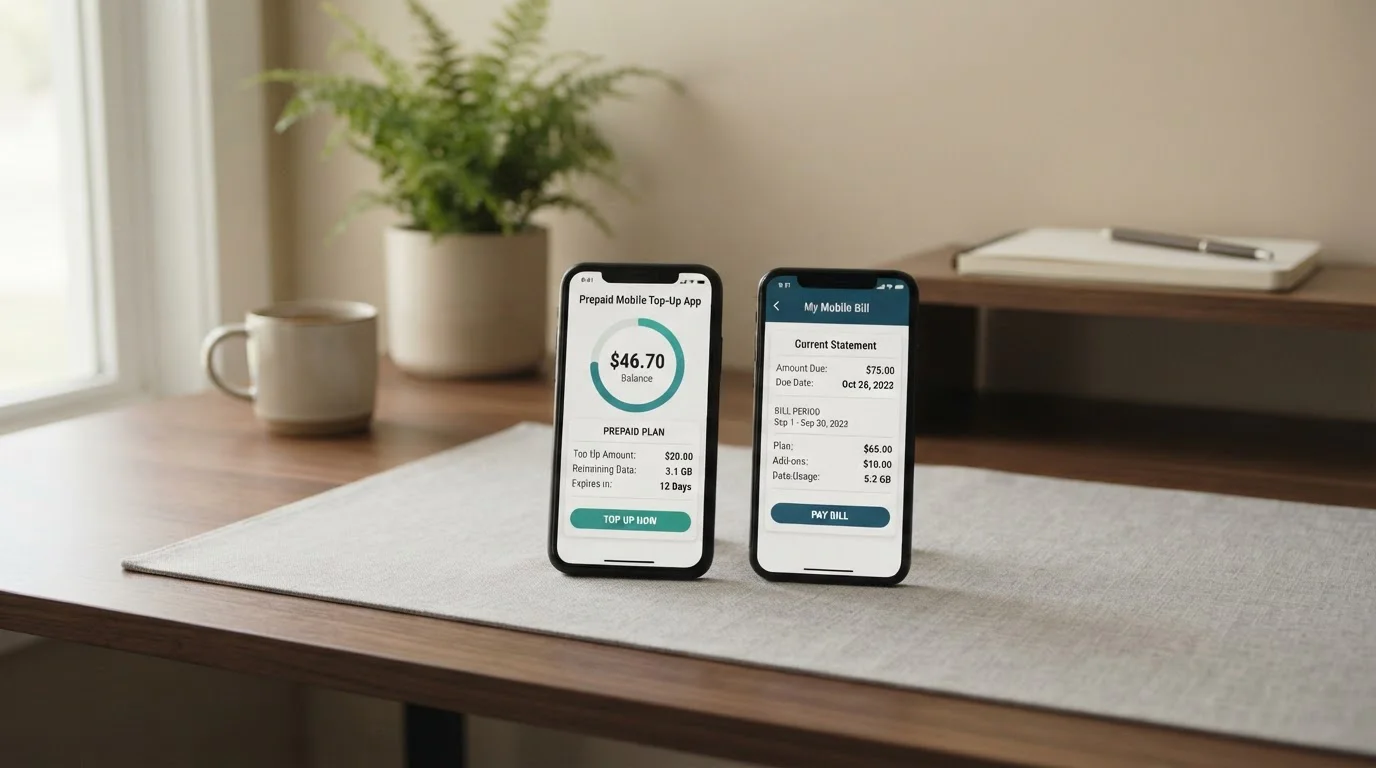
The phrase gets thrown around as if everyone knows what it covers. In practice, two distinct payment types sit under that umbrella: deducting money from your prepaid mobile balance, or adding a charge to your monthly phone bill. The difference matters legally, financially and practically—yet the two are routinely lumped together in a single breath.
Pay-as-you-go credit is money you already own. You topped up £20 at a corner shop or online, and that balance sits with your network. When you deposit £10 at a casino using PAYG credit, the network deducts £10 (plus any surcharge the operator adds) from your balance and passes it to the operator via the payment provider. The money moves instantly, and you have spent your own funds rather than borrowed anything—a distinction that matters for the 2020 credit-card ban.
A monthly phone bill charge works differently. The deposit lands immediately, but you only pay your network when the bill arrives. That sits uncomfortably close to the thinking behind the credit-card ban, which is part of why networks and billing providers keep the ceilings conservative and why some brands have stopped offering phone billing at all.
Both run through the same checkout, so from the player’s side they feel identical. Behind the scenes, settlement timing and credit risk differ sharply. A prepaid balance is a hard ceiling; a postpaid charge is limited mainly by the caps the network and billing provider apply. That explains why some operators accept one more readily than the other, and why several dropped phone billing altogether once the regulatory climate tightened.
The step-by-step: number, text, done
The deposit flow is deliberately simple. At the cashier you select “pay by mobile”, “pay by phone” or whatever label the operator uses—sometimes it names the provider (Fonix or PayViaPhone), sometimes it hides behind a generic phone icon. You enter your mobile number. The system sends a one-time code to that number. You reply or enter it on screen, depending on the provider. The deposit lands in your casino balance instantly, and the charge, including any surcharge, either comes straight off your PAYG credit or appears on your next bill.
No card details, no bank login, no e-wallet registration. That privacy angle is the method’s main selling point: the casino never sees your card number or bank details, and the only identifier you share is a phone number the operator already holds from your verified account. For players wary of linking a debit card to a gambling site, paying by phone offers a frictionless top-up.
Speed is the other draw. Card deposits can trigger 3D Secure loops, bank transfers can take a while, and e-wallets need their own sign-up and checks. Phone credit deposits clear in seconds. That immediacy pairs naturally with mobile play, which is why so many early adopters of carrier billing were mobile casino and bingo brands aimed at players on the move.
What is the difference between paying with pay-as-you-go phone credit and a monthly phone bill?
With PAYG, each deposit comes straight off a balance you have already topped up, so you can never spend more than is there. With a monthly contract, the charge is added to your next bill and paid weeks later, which is convenient but easier to lose track of. Both use the same SMS confirmation.
The catch nobody puts up front—limits, fees and one-way money
Pay-by-mobile casinos love to advertise the speed and privacy, then bury the fine print. Here it is up front: you will hit a ceiling fast, you may pay a surcharge depending on the operator, and you absolutely cannot withdraw winnings back to your phone. Those three constraints define the method’s real-world usefulness.
The minimum deposit is set by the casino: usually £10, though PocketWin goes as low as £3. A single deposit can’t exceed £30 or £40, the same figure as your daily limit, which depends on your network. On top of that sits a monthly ceiling of around £240 across all gambling charges. Compare that with a debit card, where a single £500 deposit raises no eyebrows. Phone credit is small money by design.
| Cap or cost | Typical figure | Who sets it |
|---|---|---|
| Per transaction | £3–£10 minimum; £30 or £40 maximum | Casino sets the minimum; network and billing provider set the maximum |
| Per day | £30 or £40 | Network and billing provider, under phone-paid services rules |
| Per month | Around £240 | Network and billing provider, under phone-paid services rules |
| Deposit fee | £0 (Betable brands via Fonix) to 15% added on top (Betsuna via PayViaPhone) | The operator’s billing arrangement |
| Withdrawals to phone | Not possible | Carrier billing is one-way |
Why so low? Carrier billing was never built for gambling. It was designed for micro-purchases—ringtones, app purchases, parking, premium SMS—where the sums are trivial and the risk of non-payment or fraud is low. When gambling operators began using carrier billing, they inherited the same ceilings. An operator cannot raise your daily cap to £100 because you are a loyal customer. Gambling deposits happen to fit inside the micro-payment envelope, barely.
From a safer-gambling perspective the low cap is a genuine plus. A player who can only deposit £30 or £40 a day by phone faces a brake that cards and e-wallets do not impose. It also means phone credit suits casual play only. If you want to top up a tenner for half an hour of mobile slots on a commute, the cap fits. If you were planning anything bigger, this is the wrong payment method, and the urge to spend more is itself worth noticing.
Why the ceiling is so low
The story is not “casinos restrict phone deposits to keep you playing small.” Operators would happily take larger sums if carrier billing allowed it. The constraint comes from the carrier-billing ecosystem itself. Networks treat charges to a phone account as higher-risk because they sit outside normal banking fraud controls, and because customers have a long history of complaining about unexpected premium-rate charges on their bills. The rules for phone-paid services evolved to cap spending accordingly, and gambling charges get particular caution.
Your network and the billing provider set those caps, and the provider enforces them on every transaction. Your exact limit can also depend on your account type and how long you have been a customer, but the upper bound for gambling sits at £40 a day and around £240 a month. This is carrier-side risk management, not casino policy, so complaining to the operator’s support team will not raise your limit; they do not control it.
The direction of travel since 2020 has been towards more caution, not less. Expect the ceilings to stay where they are or tighten further rather than loosen.
Fee-free or 15 per cent? It depends on the operator
Not all phone-credit deposits cost the same. At IvyCasino, Oreels and Bet442—all run by Betable Limited under UKGC licence 23328—a £10 deposit costs exactly £10. Betable absorbs the billing provider’s cost on its side, so the player pays nothing extra.
At others, the fee lands on you, added on top of the deposit. Betsuna routes phone deposits through PayViaPhone with a surcharge of about 15 per cent: deposit £10 and you are charged £11.50, with the full £10 credited to your casino balance. A £30 deposit costs £34.50. Over a month that compounds: deposit up to the £240 monthly ceiling and you are charged £276, so £36 goes on fees before you have placed a bet.
The fee is not about your network—EE, Vodafone, O2 and Three all handle these charges—but about the operator’s billing provider and the commercial terms it struck. Both models are legal and both are disclosed, usually in small print, but the player experience differs sharply. Choosing a fee-free operator saves you that 15 per cent if you use phone credit regularly.
Why would any operator pick the fee-on-top model? Usually because the provider’s terms suit a smaller book of business, or the operator simply decides to pass the cost on rather than absorb it. The result is a two-tier market: some operators swallow the cost, others push it downstream. For the player the takeaway is simple—check the fee before you deposit. A convenient method that adds 15 per cent to every transaction is only convenient if you ignore the cost.
You can put money in, not take it out
This is the single non-negotiable constraint, and it catches out more players than the fees do. Phone-credit deposits are one-way: carrier billing simply has no mechanism for sending money back.
The reason is structural. A network can charge your account for a service, but your PAYG credit is a telecoms product, not a bank account. Paying winnings into it would turn the network into a payment institution, with all the compliance burden that entails, and no network wants that for a marginal revenue stream. Fonix and PayViaPhone can take money from your phone account; they cannot put it back.
That creates a mismatch for players. You deposit on impulse using phone credit—fast, no card needed—but when you land a £200 win and try to cash out, the casino asks for bank details or a registered debit card. If you used phone credit precisely to avoid linking a card, you are stuck until you add one. UKGC rules already require operators to verify your age and identity before you can deposit at all, and a payout needs a bank account or card in your name, so you will need to provide one eventually.
For small, casual deposits this rarely matters. But if you deposit regularly via phone credit, build a balance and then win, the one-way constraint becomes real. Treating phone credit as your only funding route is viable for deposits, unworkable for cashouts—so register a withdrawal method early rather than waiting for a win.
Can you withdraw casino winnings back to your phone credit or phone bill?
No. Fonix, PayViaPhone and other carrier-billing providers only move money from your phone account to the casino, never back. Your phone balance is not a bank account and cannot receive winnings, so the operator will pay out to a UK bank account, a registered debit card or an e-wallet such as PayPal.
Who still takes phone credit in 2026—and who quietly stopped

Pay-by-mobile casino deposits peaked in the second half of the 2010s, when dozens of operators promoted it as the future of mobile gambling. Since 2020 the market has contracted. Providers have pulled back, brands have dropped the method, and even sites built around mobile-first play have walked away from direct carrier billing. What remains is a smaller, more cautious ecosystem run through a couple of billing providers and a handful of operators willing to put up with the costs.
Fonix, Boku and PayViaPhone: who processes the payments
For years Boku, a payments company listed on London’s AIM market, was the name behind most UK pay-by-mobile casinos, so much so that “Boku casino” became shorthand for the whole category. During 2024 and 2025 Boku largely stepped back from UK casino cashiers, and the operators that kept phone billing moved to Fonix, a UK-based billing provider. If a UKGC-licensed casino offers phone-credit deposits in 2026, the back end is most likely Fonix, whatever the cashier label says. Some smaller operators use PayViaPhone instead.
The provider’s job is the same either way. It handles the connections to the networks, compliance with the phone-paid services rules, fraud screening and settlement. The casino integrates once and gains access to customers on every network that allows gambling charges, and the provider enforces the per-transaction, daily and monthly caps.
The networks themselves no longer run consumer-facing gambling-payment products. Payforit, the network-consortium brand that once powered mobile purchases across the UK, stopped handling gambling payments in the early 2020s. Third-party providers carry that risk instead, which keeps carrier billing alive for gambling without the networks having to champion it publicly.
If you still want to use Boku specifically, the only practical route is indirect—topping up an e-wallet such as Neteller with Boku where that option exists, then depositing from the e-wallet. For most phone-credit players, a casino that bills through Fonix directly is simpler.
The ones that walked away (Payforit, MrQ)
Payforit was the original UK mobile-payment brand, a joint venture of the major networks launched in the late 2000s to handle mobile web purchases. For years it was synonymous with “pay by mobile” in UK gambling. Operators integrated it, players saw the logo at checkout, and the system worked. Then it did not.
In the early 2020s, Payforit was effectively wound down for gambling. There was no fanfare; new gambling merchants were simply no longer onboarded and existing integrations faded out. If a site still lists Payforit as a deposit method in 2026, that is outdated copy, not a live option.
Why did Payforit disappear? Two reasons. First, the 2020 credit-card ban and wider scrutiny of gambling payments made the networks nervous about being directly associated with the sector, even though carrier billing itself was not banned. Handing the relationship to third-party providers let them keep the revenue at arm’s length. Second, digital wallets—Apple Pay, Google Pay, PayPal—offered faster, more flexible payments without the “charged to your phone bill” friction.
The more surprising exit is MrQ. Launched in 2018 by the independent operator Lindar Media, MrQ built its reputation as a mobile-first casino with no-wagering bonuses, and pay by mobile was part of that pitch. It no longer offers direct phone-bill or phone-credit deposits; the cashier now leans on Apple Pay, Google Pay and PayPal, all funded from a linked card or bank account.
MrQ has not explained the change in detail. The likely reasons are the low caps, which make phone billing unattractive for anyone wanting to deposit more than £30 or £40 at a time, the processing costs, and the heavier compliance burden around carrier billing since 2020. Whatever the cause, a brand closely associated with pay-by-mobile walked away from it, which is the starkest signal of the market’s contraction.
The result is a market that looks smaller and more conservative in 2026 than it did five years ago. The operators still taking phone credit are either specialists serving a niche (PocketWin, part of InTouch Games’ mobile-focused stable), groups built around small, frequent deposits (Betable’s three brands and Jumpman Gaming’s network of slot sites), or multi-product licensees for whom phone billing is one option among many (ProgressPlay’s Betsuna). The method has not disappeared, but it has stopped growing.
Which mobile networks support pay-by-phone casino deposits in the UK?
EE, Vodafone, O2 and Three all support carrier-billing casino deposits, as do most virtual operators on their networks, such as giffgaff and Tesco Mobile (both on O2). Virgin Mobile and Sky Mobile block gambling charges. Within supported networks, your caps can vary with account type and tenure, typically £30 or £40 a day.
The UK sites that accept phone-credit deposits, reviewed

Five UKGC-licensed operators make the shortlist: each accepts phone-credit or phone-bill deposits in 2026 and will process one if you try. Jumpman Gaming’s slot sites also take phone billing, but their flat per-deposit surcharge keeps them off the list.
| Operator | Licence | Deposit fee | Minimum deposit | Distinguishing feature |
|---|---|---|---|---|
| PocketWin | UKGC (InTouch Games) | Not stated up front; check the cashier | £3 | In-house library of around 70 games unavailable elsewhere; mobile-focused since 2010 |
| Betsuna | UKGC 39335 (ProgressPlay) | ~15% added on top (PayViaPhone) | £10 | 6,000+ multi-studio titles from Microgaming, NetEnt, Pragmatic Play and others |
| IvyCasino | UKGC 23328 (Betable Limited) | Fee-free (Fonix) | £10 | £10 deposit costs £10; quick payouts |
| Oreels | UKGC 23328 (Betable Limited) | Fee-free (Fonix) | £10 | Sister brand to IvyCasino, slots-led, mobile-first design |
| Bet442 | UKGC 23328 (Betable Limited) | Fee-free (Fonix) | £10 | Sportsbook plus casino with fee-free phone billing |
PocketWin
PocketWin is the oldest name on this list, launched in 2010 as part of the InTouch Games stable based in Halesowen, West Midlands. It predates the smartphone-casino boom and was built for mobile play long before that was standard. The site holds a UKGC licence and serves UK players only, on desktop and mobile, but with a mobile-first design philosophy baked in from day one.
The defining feature is the game library—around 70 titles developed in-house by InTouch Games rather than licensed from third-party studios. The slots, bingo and scratch games you find at PocketWin are nowhere else. The trade-off: you do not get NetEnt, Pragmatic Play or any of the marquee providers. The graphics are functional rather than cinematic and the mechanics straightforward. If you value a unique catalogue over brand-name titles, PocketWin delivers that. If you want Starburst or Gates of Olympus, you are at the wrong site.
Phone billing is native here, and the £3 minimum deposit is about as low as the UK market goes, which suits players topping up small sums. PocketWin does not state a phone-billing fee up front, so check the confirmation text, which shows the full amount before you approve it. Withdrawals go via PayPal, advertised at 24 to 48 hours for verified accounts. The sign-up offer has historically included a small no-deposit credit plus a first-deposit match, though terms change.
Who it suits: players who want a mobile-native experience, do not mind a proprietary game library, and value the rock-bottom entry point. If you are used to the polished lobbies of large multi-studio casinos, PocketWin will feel basic. If you want a no-frills top-up for a quick bingo session or a few spins, it is fit for purpose—and in the UK mobile-casino space, surviving since 2010 counts for something.
Betsuna
Betsuna is operated by ProgressPlay Limited, which holds a Malta Gaming Authority licence (MGA/B2C/231/2012) and a UKGC licence (39335) for British customers. It positions itself as a full-service casino and sportsbook built on breadth—6,000-plus titles from Microgaming, NetEnt, Pragmatic Play, Play’n GO, Thunderkick, Blueprint Gaming, Eyecon and others. If range is the selling point, Betsuna delivers: the lobby is large, searchable and regularly updated.
The phone-credit integration uses PayViaPhone, which adds roughly 15 per cent on top of every deposit. Deposit £10 and you pay £11.50; deposit £30 and you pay £34.50. Use the full £240 monthly ceiling and £36 of your phone bill goes on fees. For phone-credit users, this is the site’s biggest weakness.
The fee is disclosed in the cashier small print rather than hidden, but it is not front and centre either, and many players only notice it on their phone bill. ProgressPlay has also faced regulatory action from the Gambling Commission, which is worth checking on the public register. If you deposit by phone regularly, the fee alone makes Betsuna the most expensive option on this shortlist by a wide margin.
Welcome offers change often, typically combining a deposit match and spins on the casino side with a bet-and-get offer on sports; like every UK casino bonus since 19 January 2026, wagering is capped at 10x. Withdrawals go to bank accounts, debit cards or e-wallets and take a few days for verified accounts. The site is polished and works well on mobile. Without the fee, Betsuna would suit phone-credit users who want maximum choice; with it, it is the biggest library wrapped in the worst fee structure.
IvyCasino
IvyCasino is run by Betable Limited, which holds UKGC licence 23328 and also runs Oreels and Bet442. The three brands share a platform supplied by Grace Media, the same payment methods and the same compliance setup, but each targets a slightly different player. IvyCasino is the pure casino play—slots, table games and a live-dealer lobby—without Bet442’s sportsbook.
The headline is fee-free phone billing via Fonix. Deposit £10, pay £10, receive £10 in your balance. No surcharge, no hidden charges. For phone-credit users who deposit regularly, no other feature matters as much: reaching the £240 monthly ceiling costs £36 in fees at Betsuna and nothing extra here.
The game library runs past 2,000 slots and table games, with an Evolution-powered live casino—smaller than Betsuna’s 6,000-plus but more than enough for most players. Payouts for verified accounts are processed the same day or within 24 hours, which is quicker than most UK operators. The welcome offer is a 100 per cent match up to £50 at no more than 10x wagering, and the minimum deposit is £10.
Who it suits: phone-credit users who value zero fees over the absolute widest selection. If you are happy with a solid mainstream catalogue and want every penny of your deposit to land in your balance, IvyCasino is the cleanest deal on this shortlist. If you need an obscure Play’n GO title, Betsuna’s library wins—at a price.
Oreels
Oreels is IvyCasino’s sister brand, sharing the same operator, UKGC licence 23328 and fee-free Fonix billing. The difference is mostly presentation. Oreels leans slots-heavy, with an Irish theme and a prominent Big Bass shelf, while IvyCasino presents itself as a more general-purpose casino. Under the bonnet, the cashier, payment terms and compliance are the same.
Phone billing works identically: deposit £10, pay £10. The £10 minimum matches IvyCasino, and withdrawals for verified accounts are likewise processed the same day or within 24 hours. The library tops 2,000 titles, and the welcome offer is a 100 per cent match up to £25 on a deposit of at least £20, at 10x wagering.
Where Oreels earns its place is mobile design. It was built for phone-first play when it launched in 2017, and the responsive site loads quickly and switches between games without lag—which matters more for phone-credit depositors than for anyone else, because the whole payment flow already assumes you are on a handset.
For phone-credit purposes, Oreels and IvyCasino are close to interchangeable. Pick whichever design you prefer; the fee-free deposit is the same either way, and if you already use one, switching to the other gains you little beyond a different look.
Bet442
Bet442 is Betable’s third brand. It shares UKGC licence 23328, fee-free Fonix billing and the £10 minimum deposit with IvyCasino and Oreels. What sets it apart is a sportsbook, aimed at players who want to bet on football, racing or other sports alongside the occasional slot, all from one balance and one phone-credit top-up.
Fee-free billing is the key selling point. Deposit £30 via phone credit and you have £30 to split between a Premier League accumulator and a few spins—no 15 per cent surcharge. The low daily cap matters less to casual bettors, who tend to stake smaller amounts per event anyway. A punter betting £5 or £10 per match across a weekend fits comfortably inside it.
The casino side draws on the same 2,000-plus game library as its sister sites. The sportsbook covers pre-match and in-play betting on UK and international fixtures with standard markets. Odds, market depth and streaming are worth comparing before you commit, but the product is there and licensed. For a phone-credit user who wants sports and casino under one roof without a deposit fee, Bet442 is the only option on this shortlist; PocketWin, IvyCasino and Oreels have no sportsbook, and Betsuna’s comes with the 15 per cent fee.
Who it suits: casual sports bettors and casino players who want to fund both from a single phone-credit top-up. If you only play casino games, IvyCasino or Oreels are cleaner picks with fewer distractions.
Is there a fee for depositing with phone credit, and how much?
It depends on the operator, not your network. Betable’s three brands charge nothing. Betsuna adds roughly 15 per cent on top, so £10 costs £11.50, and Jumpman Gaming’s slot sites add a flat £2.50 to every deposit. PocketWin doesn’t state a fee up front, so read the confirmation text before approving.
Slots on phone credit—the natural pairing

Phone credit is small money. Slots on a controlled stake are small money. The two fit together. The £30 or £40 daily cap on carrier billing sits neatly alongside the online slot stake limits the UKGC introduced in 2025: £5 maximum per spin for players aged 25 and over, £2 for those aged 18 to 24. A player depositing £30 and betting £2 per spin gets 15 spins; at £5 per spin, six. That is a short session, but it is exactly the kind of budget-capped play the stake limits aim to encourage.
PocketWin’s in-house library is built for that mode. The games are mobile-first, load fast on a 4G connection, and do not demand the bankroll a 100-spin session on a volatile Pragmatic Play slot requires. You open the site on a bus, drop £3 or £5, play for ten minutes and close it. For players who treat mobile slots as light entertainment, the low cap is a guardrail that works.
Betsuna’s 6,000-plus library covers the full spectrum—low-volatility slots with frequent small wins, high-volatility games where a single £5 spin can return nothing, Megaways, cluster pays and more. A £30 phone-credit deposit disappears fast on a high-variance slot at £5 per spin, and you cannot instantly add another £50 the way you could with a linked card. That friction is useful for harm reduction: the method naturally throttles chasing losses.
Whichever library you play, the phone-credit ceiling imposes a session length that suits lower-volatility, lower-stakes play better than high-variance slots at maximum bet. If phone credit is your main deposit method, leaning towards lower-variance slots or table games with small minimum bets stretches your balance further.
The other consideration is that phone credit suits mobile play. Older landscape-format slots translated awkwardly to portrait screens, but modern releases are designed for touch first. A phone-credit deposit on a mobile device is the path of least resistance—no card to fumble for, no laptop required. For that use case the low cap and the speed make sense. For desktop sessions or bigger budgets, phone credit was never the tool.
“No deposit” and phone credit—untangling a common mix-up
Plenty of players assume “phone credit casino” and “no deposit bonus” go together. They do not. A no-deposit bonus is a promotional offer—usually a small amount of free spins or bonus credit awarded when you register, before you fund your account. A phone-credit deposit is a payment method you use to add money. The bonus does not require the deposit, and the deposit does not unlock a special bonus unavailable to card users.
PocketWin, for example, has offered a sign-up bonus that lands when you register, before any deposit. You can claim it and then, separately, deposit via phone credit at any point. The confusion probably arises because mobile-first casinos that take phone credit also tend to offer low-friction sign-up bonuses to attract casual players, which creates a false association.
The only genuine overlap is that some casinos verify your phone number at sign-up, and that same number is the one you later use for a phone-credit deposit. “Phone credit no deposit” sounds like a product, but it is two unrelated features mashed together. Choose a casino for its bonus terms and game library, then use phone credit if the operator supports it and the fee suits you. Under UKGC rules any bonus wagering is capped at 10x, so read the terms rather than the headline.
Can I get a no-deposit bonus if I plan to pay with phone credit?
Yes. No-deposit bonuses are awarded on registration, before you fund your account, and do not depend on which payment method you choose. Claim the bonus when you sign up, then deposit with phone credit if the operator supports it. Phone credit does not unlock a special bonus, and the bonus never requires phone credit.
The rules of the game—UKGC, the credit-card ban and safer gambling
Phone credit did not survive the 2020 regulatory changes by accident. It survived because prepaid mobile balances do not raise the same concerns as borrowed money. Understanding that framing explains why the method exists in its current capped, cautious form.
The Gambling Commission banned credit-card gambling on 14 April 2020. Licensed operators cannot accept credit cards, including credit-card funding routed through e-wallets. The intent was harm reduction: people gambling on borrowed money can build debts faster than those spending money they already hold.
Pay-as-you-go phone credit falls outside that ban. It is prepaid money sitting with your network, and using it for a casino deposit spends your own balance in real time. No deferral, no credit line, no debt. From a regulatory perspective it behaves like cash or a debit card: you cannot spend what you have not got.
A monthly phone bill charge is a greyer area. You confirm the deposit and play today, but your network invoices you later. That is a deferred payment, structurally similar to a credit card, even though the relationship is with your network rather than a bank. Postpaid phone billing has not been banned, and it is not treated as a credit card, but the low caps reflect caution about it, and the risk that rules tighten further is one reason some brands have walked away.
GamStop, the national online self-exclusion scheme, has been mandatory for all UKGC-licensed online operators since 2020. Register for six months, one year or five years and the exclusion covers every licensed operator, including those that take phone credit; it can take up to 24 hours to take effect. Phone credit does not bypass GamStop—it is just another cashier option at regulated sites. Many networks also let you bar premium and gambling charges to your account, and most banks offer a gambling block on debit cards, so you can close the payment routes too.
Deposit limits are another relevant control. UKGC-licensed operators must let you set daily, weekly or monthly deposit limits, and they apply across all payment methods. If you set a £50 weekly cap and have already deposited £40 by debit card, a £20 phone-credit top-up will be rejected. Lowering a limit takes effect immediately; raising one means waiting out a cooling-off period, usually 24 hours. Your own limit and the carrier cap both act as brakes, and the lower one wins.
Further measures from the 2023 gambling white paper have since been introduced, including the slot stake limits and checks on financial risk for higher spenders. Phone-credit users, who typically deposit small amounts, are less likely to reach those check thresholds simply because their spending stays low.
Phone credit’s hard ceiling is a structural advantage for safer gambling. A player cannot chase a £500 loss with an instant £500 reload the way they could with a card or e-wallet; the daily cap forces a pause. Friction in payment methods is widely recognised as a useful brake: making it slightly slower to deposit reduces harm at the margin.
The catch: phone credit does not prevent gambling harm; it only limits the speed and scale. Depositing £30 a day for weeks can still add up to serious losses, and the “convenient” framing can mask the cumulative spend, especially when deposits sit on a phone bill rather than a bank statement. If phone credit is your main deposit method, log your deposits and treat the daily cap as a firm budget. If gambling is starting to feel hard to control, the National Gambling Helpline (run by GamCare) is free and confidential on 0808 8020 133.
Is depositing with phone credit at a UK casino safe and legal?
Yes, at UKGC-licensed operators. Prepaid credit is your own money, so it sits outside the 2020 credit-card ban; postpaid bill charges are a form of deferred payment that remains permitted, under tight caps. Either way the casino never sees your card or bank details, and GamStop self-exclusion applies at these sites too.
So which one should you actually pick?
The honest answer depends on what you value and what you are willing to trade off. There is no single “best” phone-credit casino, but there is a best fit for your priorities. Whatever you pick, stick to UKGC-licensed sites: an operator serving British players without a UKGC licence is acting unlawfully and offers none of the protections described here.
If you want to keep every penny of your deposit—pick IvyCasino, Oreels or Bet442. All three are run by Betable Limited with the same fee-free Fonix billing. Deposit £10, pay £10. Deposit £30, pay £30. Over a month of regular deposits that saves you the 15 per cent Betsuna adds on top. The libraries are smaller than Betsuna’s 6,000-plus but still cover more than 2,000 slots, table games and live dealers. IvyCasino and Oreels are pure casino; Bet442 adds a sportsbook.
If you want the widest possible game choice—pick Betsuna. The 6,000-plus library is unmatched on this shortlist. The trade-off is the 15 per cent PayViaPhone surcharge: a £30 deposit costs £34.50, and £240 of deposits in a month adds £36. If variety is worth that much to you, Betsuna delivers. If the fee grates, the Betable brands cost nothing extra.
If you want the lowest entry point and an in-house game library unavailable anywhere else—pick PocketWin. The £3 minimum is about as low as the UK market goes, and its roughly 70 InTouch Games titles are exclusive. You give up big-name studios and polished lobbies, and PocketWin feels basic by comparison. But for a first try of phone credit, or a genuinely mobile-native product, it has been doing this since 2010, longer than anyone else on the list.
If you want sports betting and casino under one phone-credit top-up—Bet442 is the fee-free option. It combines both, keeps fee-free Fonix billing, and lets you split a £30 deposit between a football accumulator and a few spins without juggling two sites. Nothing groundbreaking, but functional and licensed.
If you are overwhelmed by choice and want simplicity—start with IvyCasino or PocketWin. IvyCasino for a clean, fee-free mainstream casino; PocketWin for the lowest barrier to entry and a mobile-native feel. Once you know how phone billing works, you can decide whether Betsuna’s library is worth its fee or Bet442’s sportsbook adds anything for you.
The caps apply everywhere. Because they belong to your phone number rather than your casino account, switching operators won’t get you past the daily or monthly ceiling. If those limits feel too tight, phone credit is the wrong primary method for you, and a casino deposit limit set at a level you can afford is the better tool. If they suit your play—casual, low-stakes, mobile—then the choice is about fees, games and interface.
One final consideration: withdrawal speed. All five operators pay out to a bank account, debit card or e-wallet, never to your phone. The Betable brands process verified withdrawals the same day or within 24 hours, PocketWin advertises 24 to 48 hours for PayPal, and Betsuna quotes a few days. Set up your withdrawal method when you open the account, not after a win.
What is the maximum I can deposit by phone credit per day or per month?
A single deposit and a full day’s deposits are both capped at £30 or £40, depending on your network and account. Per month, the ceiling is around £240 across all gambling charges on your number. Your network and billing provider set these caps, not the casino, so no operator can raise them.
Casino Deposit Methods UK 2026 — Compare Payment Options
Content created by the «Bankrol Bridge» team