
Online Casino No Registration UK 2026: What It Really Means and the Legal Options
 Available in GB

A “no registration casino” sounds like gambling without the paperwork. Email in, funds in, play. The pitch lands because UKGC-licensed sites now verify more carefully than ever, with financial-vulnerability checks built into the licence conditions—and offshore marketers are happy to present that as a problem they can solve.
What players find when they go looking is not what the phrase promises. There is no UKGC-licensed casino operating without registration or identity verification. Under the Gambling Act 2005 and the Licence Conditions and Codes of Practice, that’s not possible. The sites that advertise “no registration” sit offshore—claiming a Curaçao or Anjouan licence, or no licence at all—take cryptocurrency, and put off identity checks until you try to withdraw. None of them holds a UKGC licence, so by taking bets from people in Great Britain they are acting unlawfully.
Here’s what actually exists: the offshore brands most heavily promoted to UK players as “no KYC”, the licences they claim and what those licences are worth, how their crypto payments and bonuses really work, and why the trade they offer is a bad one. The short version: what’s on offer is speed and a thin veneer of anonymity, and the price is every protection UK regulation gives you.
What “No Registration Casino” Actually Means in the UK (2026)
The phrase is a misnomer. Every casino requires account creation, even the ones marketed as “no registration.” What they skip is not registration itself but the identity verification step that UK-licensed operators must complete before accepting a deposit.
Since May 2019, every UKGC-licensed operator has had to verify a player’s name, address and date of birth before permitting real-money play. This is a binding licence condition, not guidance, and a licensed site cannot defer it. The moment a casino advertises to UK players as both “UKGC-licensed” and “no verification,” one of those two claims is false.
The offshore sites marketed under this label collect an email address or a crypto wallet connection, create an account, and let you deposit and play immediately. Identity verification, where it happens at all, is deferred until you attempt a withdrawal, trigger an anti-money-laundering flag, or the operator decides it wants documents. This is “no verification” in the sense of “not now,” not “never”—and “later” is precisely when it can be used against you.
Pay N Play is a separate technology, often confused with no-registration casinos but operationally distinct. It uses instant bank verification—BankID in the Nordic markets where it began—to complete KYC electronically in the seconds it takes to authorise a deposit from your bank. Some UKGC-licensed sites offer a similar quick sign-up through open banking, but they still complete age and identity checks before you can play. The offshore crypto sites covered here are not Pay N Play operators; they simply defer checks.
Can you legally play at a no-registration casino from the UK in 2026?
UK law puts the offence on the operator: an offshore site taking bets from Great Britain without a UKGC licence is acting unlawfully. You won’t be prosecuted for using one, but you lose every UK protection—GamStop, affordability checks, approved dispute resolution such as IBAS, and any help from the Gambling Commission if winnings are withheld.
Is Pay N Play the same as a no-registration casino, or are they different?
They are different. Pay N Play verifies your identity instantly through your bank as you deposit—legal, regulated and compliant with KYC rules where it’s licensed. Offshore no-registration casinos defer or skip verification and operate without a licence for Great Britain. The two are often lumped together, but the technology and legal status aren’t comparable.
The Trade-Off: What’s Promised and What You Lose
What These Sites Promise
Offshore no-KYC casinos promise you can deposit and play within minutes of landing on the site: no document upload, no compliance queue, no questions about where the money came from. With a crypto wallet already funded, the whole loop from wallet connection to first spin can take less than five minutes.
That speed is the product, and it’s worth being clear about what it removes. The friction at a licensed site—age and identity checks, deposit-limit prompts, financial-vulnerability checks—exists to slow down impulsive play and keep under-18s and stolen funds out. A site designed to remove every pause is designed to remove those protections too.
The second promise is anonymity: you hand over an email address rather than your name and postcode, and nobody checks the electoral roll. That anonymity is mostly an illusion—your IP address, device fingerprint and crypto trail all identify you—and the one party that genuinely doesn’t know who you are is the regulator who could otherwise have helped.
Crypto payouts are also sold on speed. The blockchain part can be quick, but the bottleneck is the operator: approval queues, withdrawal limits and the identity checks that suddenly appear at cashout. Fast transfer is worth nothing if the casino declines to send it.
What You Lose (UK Legal Protection)
The moment you deposit at an offshore site, you step outside the UK regulatory perimeter. The UKGC can block and pursue unlicensed operators, but it can’t adjudicate your account. If the casino refuses to pay a legitimate win, freezes your account without explanation, or confiscates your balance citing a terms breach you never triggered, there’s no Gambling Commission complaint, no ADR service such as IBAS, and no ombudsman. (The Financial Ombudsman Service doesn’t handle gambling-operator disputes, licensed or not.)
The offshore licensing jurisdictions offer little in its place. Curaçao’s regulator, the Curaçao Gaming Authority, has historically rarely intervened in individual player complaints, and its new licensing regime is still bedding in. Anjouan’s oversight is lighter still, with no meaningful complaints mechanism. Sites operating on Costa Rican company registration alone hold no gaming licence at all, because Costa Rica doesn’t issue them; a business registration in San José carries no player-protection obligations.
Safer-gambling tools largely disappear too. UKGC operators must offer deposit limits, time-outs, reality checks and self-exclusion, and must connect to GamStop. Offshore sites offer these inconsistently, if at all, and nothing obliges them to honour a limit you set.
Financial-vulnerability checks, which UKGC operators have run in the background since 2025 once net deposits pass £150 in a rolling 30 days, don’t exist offshore either. The sites covered here will accept deposits of any size without asking whether you can afford them—which is exactly the scenario those checks were introduced to catch.
Card deposits often fail on these sites anyway, because many UK banks decline payments to unlicensed gambling merchants, and anyone who has switched on their bank’s gambling block is stopped outright. That’s why offshore operators lean so heavily on cryptocurrency and third-party payment intermediaries—and why buying crypto through a regulated exchange, which runs full KYC on you, undoes most of the anonymity they advertise.
Are no-KYC casinos really anonymous, or do they still track my device and IP address?
They track you. Every site logs your IP address for fraud prevention and geolocation, and most use device fingerprinting—browser, screen resolution, fonts, time zone—to spot returning users. Crypto transactions sit on public blockchains, and if you bought coins through a regulated exchange, your verified identity is linked to that wallet.
The same fingerprinting is what operators use to accuse players of running multiple accounts, often as grounds for confiscating a balance. And an exchange that verified you can be required to disclose who owns a wallet, so the “anonymous” casino account is usually one records request away from your real name.

No-Registration Casinos Taking UK Players in 2026: Risk Profiles
These ten brands are among the most heavily promoted to UK players as “no registration” or “no KYC”. None holds a UKGC licence, so none is lawfully serving customers in Great Britain. They’re listed so the risks are on the record, not as recommendations, and in no particular order of merit.
| Casino | Claimed Licence | Game Library | Crypto Support | Stated Withdrawal Speed | Main Risk Flags |
|---|---|---|---|---|---|
| Betpanda | None (Costa Rica company registration) | 12,900+ games | BTC, ETH, LTC, USDT, DOGE | “Instant” (operator claim) | No gaming licence at all |
| Stake | Curaçao (OGL/2024/1451/0918) | 73 studios | BTC, ETH, LTC, USDT, 20+ coins | Minutes (operator claim) | Blocks UK players under its own terms |
| BC.Game | Curaçao (number not published) | 8,500+ games | 165 cryptocurrencies | Not stated | Repeated complaints over withheld withdrawals |
| Lucky Block | Curaçao (via Entretenimiento Rojo B.V.) | 8,000+ games | 20+ cryptos, LBLOCK token | “Instant” (operator claim) | Native token exposure, very high bonus wagering |
| Mega Dice | Not disclosed | 5,000+ games | BTC, ETH, USDT, others | 3–30 min (operator claim) | No published licence, short history |
| Gamdom | Anjouan (status unclear) | Casino + esports | BTC, ETH, CS2 skins | Not stated | Skin gambling, uncertain licence status |
| Metaspins | Anjouan | 7,000+ games | BTC, ETH, LTC, USDT, others | Not stated | Lightest-touch licence, crypto only |
| ManekiSpin | Curaçao (conflicting numbers published) | 6,000+ games | BTC, ETH, fiat options | Not stated | Inconsistent licence and bonus details across mirrors |
| 50Crowns | Anjouan | Large (count not stated) | BTC, ETH, other methods | Not stated | Anjouan oversight, no dispute route |
| RoyalsTiger | MGA (claimed, number not published) | Not stated | Not stated | Not stated | Unverified licence claim, possible impersonation |

Betpanda — Largest Game Library, No Licence
Betpanda operates under Star Bright Media S.R.L., a Costa Rican company. Costa Rica doesn’t issue gaming licences, so the registration is a business formality, not regulatory oversight: there is no regulator to appeal to, no licence to revoke and no obligations beyond the site’s own terms.
The marketing leans on a 12,900+ title library spanning slots, live dealer tables and in-house “provably fair” games, plus weekly cashback paid without wagering. Withdrawals are advertised as instant. None of that changes the fundamental problem: if Betpanda declines to pay, there is no one at all to complain to.
Stake — Scale and Brand Recognition, Regulatory Scrutiny
Stake is the best-known name in offshore crypto gambling, operated by Medium Rare N.V. under Curaçao licence OGL/2024/1451/0918. It sponsors major football clubs and spends heavily on influencer marketing, which is why it turns up on so many UK lists. Yet Stake withdrew from the UK market in 2023, and its main site restricts UK players under its own terms, as do several of its game providers.
The site offers games from 73 studios, a sportsbook and in-house “Stake Originals” with provably fair mechanics, plus VIP rakeback. For a UK resident, though, the relevant fact is simpler: using the site from Great Britain breaches its terms, which gives it grounds to void winnings and close the account.
BC.Game — Broadest Crypto Support, Withdrawal Concerns
BC.Game accepts around 165 cryptocurrencies across dozens of blockchain networks, alongside 8,500+ casino games, in-house “BC Originals”, a sportsbook and its own reward token. The breadth of coins is its selling point to crypto holders.
Its record is the problem. The brand has attracted repeated player complaints over refused or delayed withdrawals, often citing terms breaches or rejected documents at cashout, and copycat domains have impersonated it—another reason to be wary of any link promoting it. Identity checks can be imposed at any point, without a published threshold.
Lucky Block — Native Token Integration, Large Bonuses
Lucky Block launched in 2022 as part of a broader blockchain project rather than as a standalone casino. The site integrates the LBLOCK token, which holders can stake and use for bets, and targets a crypto-native audience. The operator is Entretenimiento Rojo B.V., under a Curaçao licence.
The headline welcome offer is 200% up to £25,000 plus 50 free spins, alongside 8,000+ games from 79 providers and 20+ accepted cryptocurrencies. A bonus that size comes with offshore-level wagering—far beyond the UKGC’s 10x cap—and tying your balance to a casino’s own token adds price risk on top of the usual offshore exposure.
Mega Dice — Telegram-Native Play, Mobile-First
Mega Dice runs the casino inside Telegram via a bot: you connect a wallet, fund the bot and access 5,000+ games without leaving the messaging app. It launched around 2024, making it one of the newer brands here.
The welcome offer is 200% up to 1 BTC plus a sports bet, with an 11-tier loyalty programme. Licensing information isn’t disclosed in its own materials, which leaves no way of knowing who, if anyone, oversees it. Gambling inside a chat app also removes the last natural pauses—no site to navigate away from, no cashier screen to reconsider at.
Gamdom — Esports and CS2 Skins, Long History
Gamdom has operated since 2016, longer than most brands here. It grew out of CS:GO and CS2 skin gambling into a crypto casino and sportsbook, and you can still deposit and withdraw Counter-Strike 2 skins alongside cryptocurrency.
The operator is Moon Revolution Limitada, a Costa Rican company, and the site has relied on an Anjouan licence whose current status is unclear; a Curaçao licence is also sometimes attributed to it. Skin gambling has long drawn criticism for its appeal to younger gamers, and an uncertain licence leaves players with even less to fall back on than usual offshore.
Metaspins — Privacy-Focused, Anjouan Licensed
Metaspins markets itself on anonymity: email-only sign-up, with no name or address collected. The operator is 3-102-959384 SRL, a Costa Rican company holding an Anjouan licence.
The site offers 7,000+ casino games, a sportsbook and provably fair titles, with a 100% welcome bonus up to 1 BTC and rakeback on every bet. Payments are crypto-only. An Anjouan licence provides minimal oversight, and the anonymity pitch cuts the other way when something goes wrong: a site that never knew who you were has an easy excuse to dispute who owns a winning account.
ManekiSpin — Newest Entrant, Heavily Marketed
ManekiSpin launched in 2025 and is operated by Neroblanco Tech B.V. under a Curaçao licence—but domains claiming to be the official site have displayed three different licence numbers, including OGL/2024/790/0272, a number in the old 8048/JAZ format and OGL/2025/5810/6348. Bonus terms vary too: £1,500 plus 200 free spins, £500 plus 100 spins or €2,500 plus 250 spins, depending on which mirror you land on.
The site offers 6,000+ games, takes crypto alongside fiat methods, and is one of the most heavily promoted “no KYC” brands aimed at UK players in 2026. Conflicting licence numbers and bonus terms across mirrors make it impossible to know which entity you’d actually be dealing with.
50Crowns — Anjouan Licence, Withdrawal Risk
50Crowns operates under TESSERA LIMITED S.R.L., a Costa Rican company licensed by the Government of the Autonomous Island of Anjouan, Union of Comoros. The welcome offer is 100% up to €1,500, or 120% up to €500 plus 100 spins, depending on the promotion.
The site targets Australian and UK players with a large slots library and crypto payments. Its features are standard for the sector; the risk lies in the licence. Anjouan offers no functioning dispute mechanism, so if a withdrawal stalls, the operator’s own support desk is the only route.
RoyalsTiger — Claimed MGA Licence, Status Unclear
RoyalsTiger is promoted as holding a Malta Gaming Authority licence, but it doesn’t publish a licence number that can be matched on the MGA register. A warning on one RoyalsTiger-branded domain tells players to check the operator name and licence numbers before depositing, which suggests brand confusion or impersonation. The welcome offer is 50% up to £75 plus 25 free spins; game library, payment methods and other details aren’t published.
Even a genuine MGA licence wouldn’t make the site lawful for UK customers: Malta-licensed operators still need a UKGC licence to serve Great Britain. And MGA licensees must run KYC, so a “no registration” label and a real MGA licence can’t both be accurate. Either way, it isn’t an option for UK players.
If I win big at an offshore no-registration casino, will I actually get paid?
There’s no guarantee. Large wins are exactly when offshore operators start enforcing terms: identity documents are demanded, bonus rules are re-read, and payouts may be split into small instalments or refused. If the site won’t pay, no UK regulator or dispute service can step in.
What’s the minimum withdrawal amount before a no-KYC casino forces me to verify?
There isn’t a reliable one. Offshore operators rarely publish verification thresholds, and their terms let them demand documents at any time, for any amount. In practice “no KYC” means “not yet”: the check arrives at withdrawal, when you have the most to lose and the operator has the most leverage.

Cryptocurrency Payments: The Hidden Costs
Offshore no-registration casinos are crypto-first by necessity. UK banks block many card payments to unlicensed operators, and mainstream payment processors won’t handle gambling transactions for sites that lack the right licences. Cryptocurrency gets around those controls—which is exactly why it’s the payment method of choice for operators that shouldn’t be serving UK customers in the first place.
Advertised “instant” withdrawals usually mean the payout leaves the casino’s wallet once approved, not that it reaches you. Network confirmation times and fees vary by coin and congestion—Bitcoin can take an hour when the network is busy, and Ethereum fees can swallow a small withdrawal. But the real delay is almost always the operator’s approval queue and any identity checks it chooses to run.
Crypto adds risks a UK-licensed casino never exposes you to. Prices move between deposit and withdrawal, so a win can shrink in pound terms before it reaches your bank; stablecoins pegged to the dollar avoid that but add exchange-rate and issuer risk. Transactions are irreversible, so there’s no chargeback if a site refuses to pay or turns out to be a clone. And sending coins to the wrong address or network is permanent.
Getting crypto in the first place usually means a regulated exchange, and every exchange serving UK customers runs full Know Your Customer checks—photo ID, proof of address, sometimes a selfie. That’s where the “anonymous” casino story falls apart: the exchange knows who you are, your bank has a record of the transfer, and the wallet you deposit from is linked to your verified identity. Unregistered crypto ATMs are illegal to operate in the UK, and peer-to-peer purchases carry high premiums and frequent scams.
How long do crypto withdrawals actually take at no-registration casinos, and which cryptocurrency is fastest?
The blockchain transfer itself typically takes minutes, from a few minutes on faster networks to an hour for congested Bitcoin. The real delay is the casino: approval queues, withdrawal caps and identity checks can stretch a payout to days. Since crypto transfers can’t be reversed, a refused or misdirected payout is gone for good.
Do no-verification casinos report my winnings to HMRC or the UK tax authorities?
Offshore casinos don’t report to HMRC, but gambling winnings are tax-free in the UK wherever you win them, so that’s rarely the issue. The real risk is unexplained money: large crypto sums moving through an exchange into your bank can prompt questions from the bank or HMRC about their source.
“Gambling winnings” is a legitimate answer, but you’ll need records, and offshore sites don’t provide the statements UKGC operators do. Crypto adds a separate tax point: if you gamble with coins that have risen in value since you bought them, spending them counts as a disposal for Capital Gains Tax—18% within the basic-rate band and 24% above it, after the £3,000 annual exempt amount.

Bonuses and Free Spins Without Verification
Offshore casinos advertise headline bonuses far larger than UK players are used to: Lucky Block’s 200% up to £25,000, ManekiSpin’s £1,500 plus 200 free spins, and similar packages elsewhere. The difference isn’t generosity but the absence of rules. Since 19 January 2026, UKGC-licensed casinos have been limited to 10x wagering and barred from mixed casino-and-sportsbook bonuses. Offshore sites face no such restrictions—35x to 45x wagering is standard, and combined offers are common.
High wagering makes large bonuses far harder to clear than they look. A £1,000 bonus at 40x means wagering £40,000 before withdrawing. Maximum bet limits during bonus play—typically £5 or £10 per spin—slow the process further. Most players never clear high-wagering bonuses; the offer is designed that way.
Cashback and rakeback schemes, heavily promoted by Betpanda, Stake, Metaspins and Gamdom, work differently: they return a slice of losses or turnover. That sounds kind, but rakeback rewards volume, so its real effect is to encourage more and longer play—with no affordability check to notice when that becomes a problem.
Welcome Bonuses at No-KYC Casinos
The welcome bonus is the hook. Offshore casinos spend heavily on acquisition because a customer with no deposit limits, no affordability checks and no cooling-off periods is extremely valuable to them. The bonus is the cost of acquiring a player who might deposit tens of thousands over time.
The structure is consistent: a percentage match on the first deposit (100% to 200%), capped at a maximum (£500 to £25,000), plus free spins on selected slots (50 to 250). Some sites spread the bonus across several deposits. The terms may require a minimum deposit, restrict which games count towards wagering, or void everything if you request a withdrawal before clearing the rollover.
No-deposit bonuses are rare and small. A £10 no-deposit bonus with 50x wagering is marketing theatre; its expected value is close to zero.
Wagering Requirements: What to Expect
Offshore bonuses carry 35x to 45x wagering as standard, with 40x most common. A £100 bonus at 40x requires £4,000 in total bets before winnings become withdrawable. Slots usually count 100% towards wagering, table games 10% to 20%, and some high-RTP slots are excluded entirely.
Maximum bet limits apply during bonus play, usually £5 to £10 per spin. Exceeding the limit, even by accident, can void the bonus and any winnings. Offshore terms tend to be enforced selectively: small breaches may be ignored until you request a large withdrawal, at which point a clause buried in a 15,000-word document becomes grounds to seize your balance.
The UKGC’s 10x cap reflects player protection; the higher requirements offshore reflect an operator’s freedom to set terms that favour the house.
What happens if I refuse to verify my identity when a no-KYC casino asks for documents?
Your funds will be frozen until you comply. The terms you accepted let the casino request verification at any time, so refusing counts as a breach: the operator can void your bonus, confiscate winnings and lock your balance. Some refund deposits minus winnings; others keep everything, and no offshore regulator will intervene.
Slots, Live Dealer, and Game Variety Without KYC
Offshore game libraries are large—Betpanda claims 12,900+ titles, BC.Game 8,500+, Lucky Block 8,000+ and Metaspins 7,000+—but size isn’t a safety feature. Many of the same games are available at UKGC-licensed casinos, where the slots must be independently tested and the stake limits apply. Some major studios also restrict their games from appearing on unlicensed sites serving UK players, so the “same” slot on an offshore site may not be the officially supplied version.
In-house “Originals” games—Crash, Dice, Plinko, Mines and the like—are a crypto-casino staple. They’re marketed as provably fair: the casino publishes a cryptographic hash of each round’s random seed in advance, then reveals the seed afterwards so you can check the result wasn’t altered. That proves one round wasn’t tampered with. It doesn’t prove the site will pay you, and these fast, repetitive games are among the quickest ways to lose money.
Live dealer tables from Evolution, Ezugi and Pragmatic Play Live look the same wherever they’re streamed. The difference lies in what happens when there’s a dispute about the result or the payout.
Demo Play vs Real-Money Play: What’s the Difference?
Demo play runs the same game engine as real-money play but uses virtual credits with no cash value. Game studios and some review sites offer demos without an account, while UKGC-licensed casinos must verify your age before showing you even free versions of their games.
Many people searching for “free slots, no registration, no download” actually want demo play, not real-money gambling. If that’s you, a studio’s demo is the zero-risk answer. Real money with no checks is a very different proposition—and the one these offshore sites are selling.
Licensing Jurisdictions: What They Actually Mean
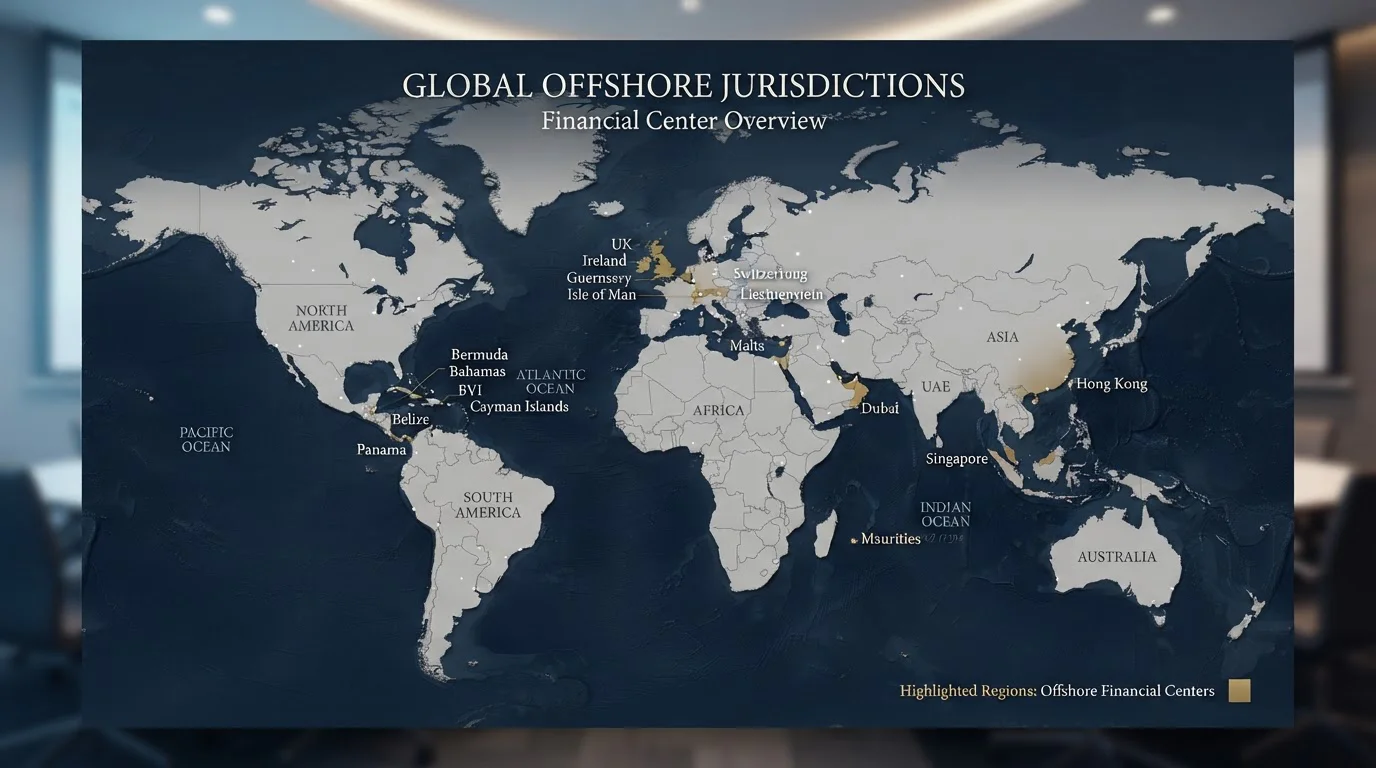
Offshore casinos display licences from jurisdictions with lighter regulation than the UK, most commonly Curaçao and Anjouan, with Malta sometimes claimed and Costa Rica (which issues no gaming licences) often behind the company registration. For UK players the key point is simple: only a UKGC licence makes it lawful to serve customers in Great Britain.
| Jurisdiction | Regulatory Oversight | Player Protection | Dispute Resolution | Status for GB Players |
|---|---|---|---|---|
| UKGC | Strict, proactive enforcement | Full (GamStop, affordability checks, safer-gambling tools) | Approved ADR (e.g. IBAS), UKGC enforcement | Licensed and lawful |
| MGA (Malta) | EU regulator, moderate oversight | KYC mandatory, safer-gambling tools, complaints process | ADR and regulator complaints within its remit | Not valid for GB without a UKGC licence |
| Curaçao (CGA) | Regime overhauled in 2024, enforcement historically light | Limited | No mandatory ADR; regulator rarely intervenes | Unlicensed for GB |
| Anjouan (Comoros) | Minimal | Little or none | No meaningful dispute route | Unlicensed for GB |
| Costa Rica / no licence | None (no gaming licences issued) | None | None | Unlicensed for GB |
Curaçao Gaming Authority
Curaçao is the most common jurisdiction claimed by offshore crypto casinos. For years, licences were issued by a handful of private master-licence holders—Antillephone’s 8048/JAZ was the best known—which then granted sub-licences to operators with little ongoing scrutiny. That master-licence system ended in 2024, when the Curaçao Gaming Authority began licensing operators directly under new legislation.
The reforms promise tighter oversight, but the CGA has historically rarely intervened in individual player complaints, and old-format numbers still circulate on sites that may not have transitioned. Whatever its status, a Curaçao licence doesn’t authorise an operator to serve customers in Great Britain.
Anjouan (Union of Comoros)
Anjouan is a semi-autonomous island in the Comoros archipelago off East Africa. Its offshore finance authority issues gambling licences with even lighter oversight than Curaçao. Its public register has been criticised for listing licences as valid regardless of their expiry dates, which undermines confidence in what it shows.
An Anjouan licence indicates that a fee was paid and a company incorporated. There’s no meaningful complaints mechanism, no visible enforcement arm and no dispute-resolution requirement.
Malta Gaming Authority
The MGA is a credible EU regulator. MGA-licensed operators must run KYC, offer safer-gambling tools, provide access to dispute resolution and follow EU anti-money-laundering rules. But an MGA licence doesn’t cover Great Britain: any Malta-licensed operator serving UK customers also needs a UKGC licence, and the many legitimate MGA operators that serve the UK hold one.
That’s why a site claiming both an MGA licence and “no KYC” play is contradicting itself. If you see that combination, one of the claims is false.
Costa Rica (No Licence)
Costa Rica doesn’t regulate online gambling. A Costa Rican company registration is a business formality, not a gaming licence. Operators registered there—Betpanda (Star Bright Media S.R.L.), Gamdom (Moon Revolution Limitada), Metaspins (3-102-959384 SRL)—have no regulatory oversight or player-protection obligations from that registration; some layer an Anjouan or Curaçao licence on top, and some don’t. You’re trusting the operator’s goodwill with no backstop.
How to Check Whether a Site Is Licensed for Great Britain
Don’t trust the seal in a casino’s footer; seals are easy to copy, and some sites display badges for licences they don’t hold. The check that matters for a UK player takes a minute: search the operator’s company name or domain on the Gambling Commission’s public register. If it isn’t there, the site isn’t licensed to serve you, whatever else it displays.
Warning signs worth knowing: a footer naming a company that doesn’t match the register entry; different licence numbers on different domains for the same brand; a seal that links to a generic page rather than a specific licence record; and any site claiming UKGC licensing while offering “no KYC” play, which is impossible under UK rules.
What’s the difference between a Curaçao licence, an Anjouan licence, and no licence at all — and why does it matter?
On paper, Curaçao now licenses operators directly through its Gaming Authority, Anjouan’s regime is lighter, and a Costa Rican registration isn’t a gaming licence at all. For UK players the difference matters less than it seems: none authorises serving Great Britain, and none gives you GamStop, IBAS or Gambling Commission enforcement.
Fast, Low-Friction Options That Keep Your Protections
Most people searching for “no registration” aren’t after anonymity for its own sake; they’re tired of slow sign-ups and stalled withdrawals. Those problems have legal fixes.
Verification at a UKGC-licensed casino is usually quicker than its reputation. Most operators check your name, address and date of birth electronically against credit-reference and electoral-roll data during sign-up, and the whole thing takes seconds. Documents are only requested if that automatic check fails—typically because of a recent house move, a name mismatch or a typo. Entering your details exactly as they appear on your bank account avoids most of those failures.
Open banking can speed things further. Several licensed sites let you deposit through your bank’s app via Trustly or a similar provider, which confirms the account holder’s details at the same time. Paying from an account in your own name also makes later withdrawals smoother, because the casino already knows where the money came from.
Withdrawals are where licensed sites have improved most. E-wallets such as PayPal and open-banking payouts often arrive the same day once approved, and a well-run operator will tell you its processing window up front. To avoid delays, withdraw to the method you deposited with, complete any outstanding checks before a big session rather than after a big win, and keep a recent bank statement handy in case source-of-funds questions arise.
If a licensed casino does hold up a withdrawal unreasonably, you have options an offshore player doesn’t: the operator’s formal complaints process, then its approved ADR service such as IBAS, free of charge. That’s the real value of the paperwork—it’s what turns “please pay me” into an enforceable claim.
Responsible Gambling and Self-Exclusion
If the reason you’re looking at no-registration sites is that UK checks keep stopping you—deposits declined by your bank, affordability questions, a GamStop exclusion—take that as a signal to pause rather than a problem to route around. Those barriers exist because something about your play has triggered them, or because you once asked for them.
GamStop lets you exclude yourself from every UKGC-licensed gambling site for six months, one year or five years; registration is free and can take up to 24 hours to take effect. Unlicensed offshore sites aren’t connected to it, which is why pairing GamStop with your bank’s gambling block matters: most UK banks and app-based accounts let you block gambling payments on your card in seconds, and many add a cooling-off delay before the block can be removed. Blocking software on your devices adds a third layer.
Offshore sites that offer deposit limits or self-exclusion do so voluntarily and enforce them at their discretion. If you set a £500 monthly limit and the site lets you deposit £1,000, there’s no regulator to complain to. At licensed sites, by contrast, lowering a deposit limit takes effect immediately and raising one only applies after a cooling-off period.
Free, confidential help is available whenever you need it. The National Gambling Helpline, run by GamCare, is on 0808 8020 133, 24 hours a day, and GamCare also offers web chat. BeGambleAware and Gamblers Anonymous provide further support, regardless of where you’ve been gambling.
Can I use GamStop at an offshore no-KYC casino if I’ve self-excluded from UK sites?
No. GamStop covers UKGC-licensed operators only; unlicensed offshore sites aren’t connected to its register. That’s exactly why they’re dangerous for self-excluded players: they put you back in front of the harm you chose to avoid, with no affordability checks and no safer-gambling tools. A bank gambling block adds protection.
Why “No Registration” Means Giving Up Every UK Protection
In the UK, “no registration casino” means an offshore crypto operator that is unlicensed for Great Britain. UKGC-licensed sites can’t legally skip identity verification; offshore sites defer it until withdrawal, when it becomes leverage. The ten brands covered here—Betpanda, Stake, BC.Game, Lucky Block, Mega Dice, Gamdom, Metaspins, ManekiSpin, 50Crowns and RoyalsTiger—range from no licence at all through Anjouan and Curaçao to an unverified Malta claim, and none is lawful for UK customers.
What they offer is a quick sign-up and the appearance of privacy. What they take away is dispute resolution, regulatory oversight, GamStop, affordability checks, funds-protection disclosure and any recourse if the operator refuses to pay. Bigger bonuses come with heavier wagering, and crypto payouts are irreversible.
The safer course is to stay with UKGC-licensed sites and treat verification as the price of protection. It’s usually a few seconds at sign-up, and it’s what makes your winnings enforceable.
Casino Deposit Methods UK 2026 — Compare Payment Options
Content created by the «Bankrol Bridge» team