
Casinos That Accept Diners Club: What UK Players Actually Face in 2026
 Available in GB
Lists of “Diners Club casinos” still circulate, promising dozens of operators that welcome the card. Most of them are museum pieces. They were accurate once, somewhere around 2019, and nobody has updated them since. The reality for a British player in 2026 is blunter and much shorter to explain: the card that invented the whole idea of paying later is now one of the hardest ways to fund an online gambling account from the UK.
That isn’t an accident or a temporary glitch. Several forces lined up over the past five years, all pushing the same way. Diners Club is gone from UK-licensed casinos by law, nearly gone from offshore ones by attrition, and structurally unsuited to gambling even where it lingers, because you can’t withdraw to it. A deposit method you can’t be paid back to isn’t really a payment method; it’s a funding shortcut with a compulsory exit through something else. This guide covers where the card stands, which sites only appear to take it, why winnings never come back to it, and what to use instead.
Can You Use Diners Club at UK Online Casinos in 2026?
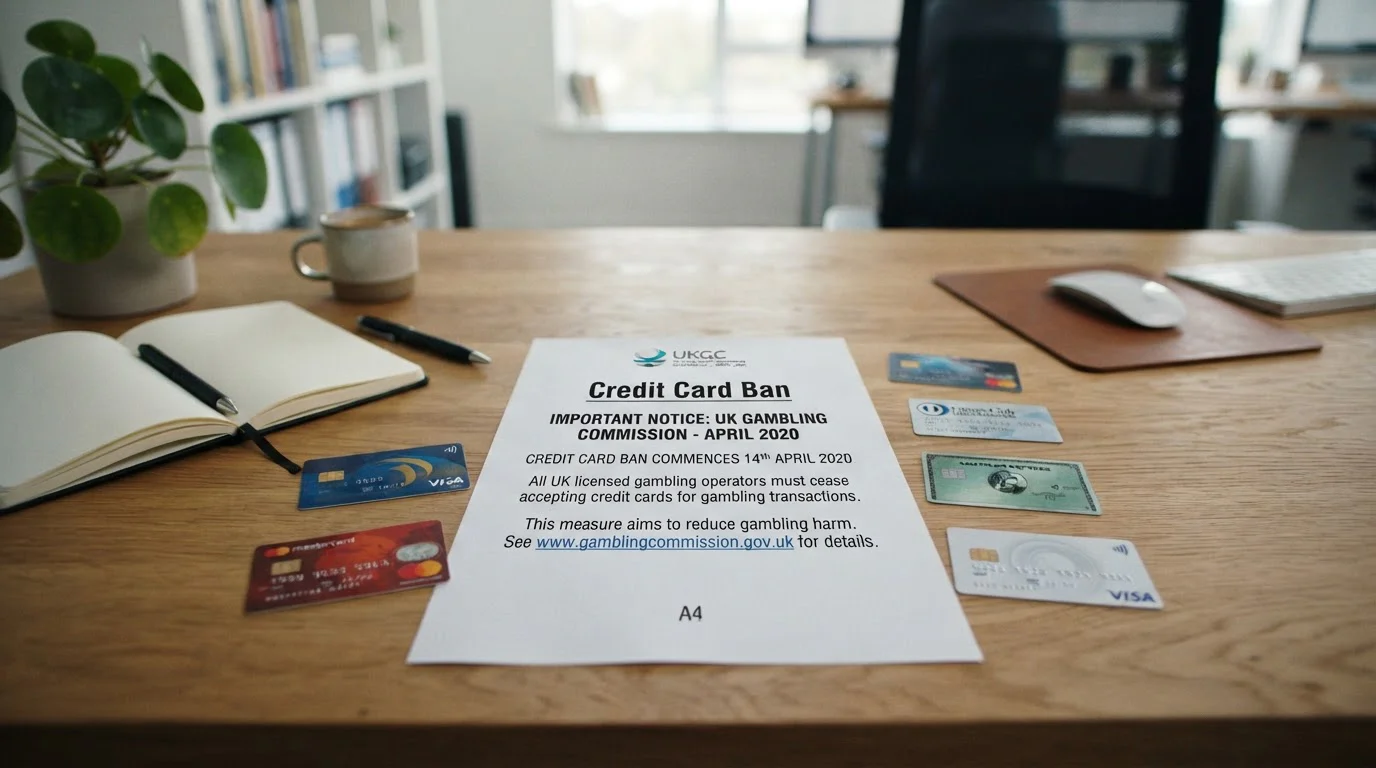
The short version: no, not at any casino holding a UK Gambling Commission licence. Since 14 April 2020, every UKGC-licensed operator has been forbidden from accepting credit cards, and Diners Club sits inside that ban. It doesn’t matter how long you’ve held the card, how good your credit is or how small the deposit. The cashier won’t offer it, because offering it would put the operator’s licence at risk.
This catches people out, because Diners Club isn’t a credit card in the everyday sense. It’s a charge card: the balance is due in full each month rather than rolled over with interest. But the ban is about gambling with money you don’t yet have, and a charge card does exactly that, so it falls on the same side of the line as Visa and Mastercard credit products and American Express.
Look for Diners Club in the payment list at a mainstream British casino and you won’t find it. You’ll find debit cards, usually PayPal, and often bank transfer and open banking. Credit and charge cards are gone and aren’t coming back: evaluations since 2020 suggest the ban did roughly what it set out to do, and there’s no appetite at Westminster or the Commission to reverse it.
| Casino Type | Credit Cards Accepted | Diners Club Status | Regulatory Body | Consumer Protection |
|---|---|---|---|---|
| UKGC-Licensed | Banned since April 2020 | Not available | UK Gambling Commission | GamStop, approved dispute resolution, affordability checks |
| Offshore (no UKGC licence) | Often, unlawfully for GB players | Rarely available (processor/issuer issues) | Curaçao, MGA, Anjouan, others | No UK recourse; varies by jurisdiction |
Can I use my Diners Club card at UK-licensed online casinos in 2026?
No. UKGC-licensed casinos have been barred from accepting any credit or charge card since 14 April 2020, and Diners Club is a charge card covered by that rule. The payment option will not appear in the cashier of any properly licensed British site, regardless of your card limit or history.
Why did UK casinos stop accepting credit cards?
The Gambling Commission announced the ban in January 2020 and brought it in that April, aiming to stop people gambling with borrowed money. Its evidence linked credit-funded play to higher rates of harm. The ban applies to online and retail gambling alike, with narrow exceptions for lottery tickets bought over a shop counter.
The UKGC Credit Card Ban: What It Means for Diners Club
The detail of the ban explains why offshore sites behave differently. The prohibition is a condition of holding a UKGC licence, so it binds the operator, not the player. Owning a Diners Club card isn’t an offence, and neither is trying to use it. What the ban did was tell every company licensed to offer gambling in Great Britain that it may no longer take a credit or charge card payment.
Offshore operators, licensed in Curaçao, Anjouan or elsewhere, don’t hold that licence, so the condition doesn’t appear in their paperwork. That isn’t the same as being allowed to serve British players. Under the Gambling Act 2005, any operator providing gambling to people in Great Britain needs a UKGC licence; one that takes British customers without it is acting unlawfully, whatever payment methods it offers. A Malta licence doesn’t change that either: an MGA-licensed operator still needs a UKGC licence to serve Great Britain, and if it has one, the card ban applies. “Non-GamStop casino” has become shorthand for this unlicensed corner of the market, which sits outside GamStop, outside the slot stake limits and outside the card ban all at once.
You might expect unlicensed sites to have kept Diners Club alive. Mostly they haven’t, for reasons that have little to do with British regulation and a lot to do with the card network itself shrinking.
The bigger point is what offshore play costs you. UKGC sites come with affordability checks, deposit limits, GamStop self-exclusion and access to an approved dispute service. Offshore sites strip most of that away, and players find out what that means when a withdrawal stalls and there’s nobody to escalate to. Chasing a Diners Club deposit offshore means accepting the whole package, not just the card. If you’ve self-excluded through GamStop, an offshore site isn’t a workaround but a way of undoing the protection you chose; GamCare’s National Gambling Helpline (0808 8020 133) is free, confidential and open 24 hours a day, and your bank’s gambling block adds a second layer.
Is it legal for UK players to use Diners Club at offshore casinos?
You don’t commit an offence by playing, because the UKGC ban binds licensed operators, not players. But an offshore operator serving Great Britain without a UKGC licence is acting unlawfully. That leaves you with no GamStop coverage, no UK-approved dispute service and no protection for your balance if anything goes wrong.
Offshore Casinos and Diners Club: The Reality in 2026
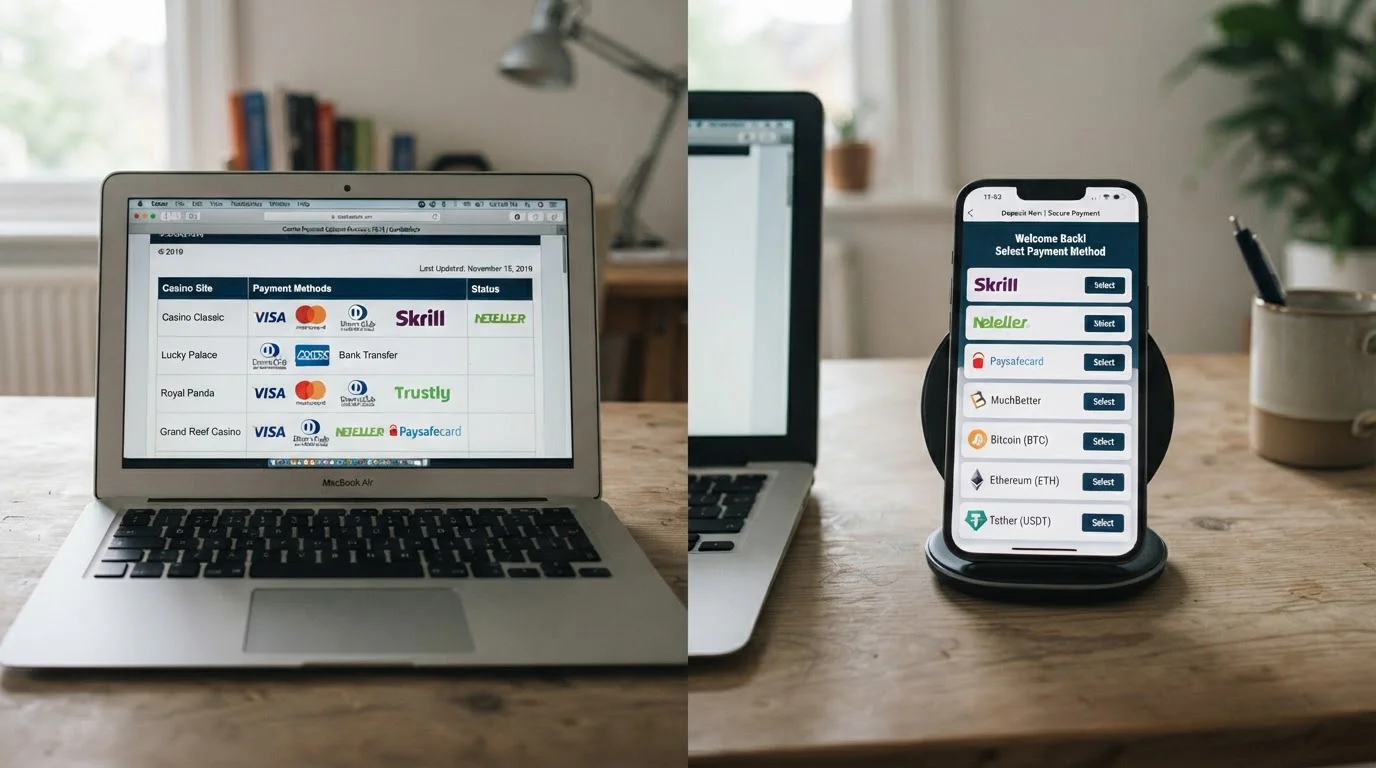
Here’s where the old lists of Diners Club casinos fall apart: a large share of the casinos they name are UKGC-licensed. SlotSite.com still turns up as a “Diners Club casino” in older directories, yet it holds a UK licence, which means it can’t have accepted the card since April 2020. The entry is a fossil from before the ban.
Those lists aren’t lying so much as rotting. They were compiled when a British-facing casino could legitimately take a Diners Club deposit, and the stale data has been carried forward year after year without anyone checking whether a single operator still qualifies.
Zodiac Casino, Luxury Casino, and UK Casino Club: The Licensing Problem
Three names come up again and again in older Diners Club lists, and all three belong to the same stable: Zodiac Casino, Luxury Casino and UK Casino Club, each part of the long-running Casino Rewards group. On paper they’re exactly the kind of established operators a cautious player would want. For this particular question, they’re dead ends, for the same reason.
Zodiac Casino launched in 2001 and runs on UKGC licence 38620, held by Apollo Entertainment Limited, alongside Kahnawake and Malta credentials. It’s best known for its signature hook, 80 chances on the Mega Moolah progressive jackpot for a £1 deposit, and a Microgaming-powered library of more than 500 titles. None of that matters here, because the UK licence that makes Zodiac reputable is the same licence that forbids it from touching a Diners Club card. A casino can be a UKGC licensee or a Diners Club casino for UK players, never both.
Luxury Casino tells the same story with a different launch date. It has served British players since 2000, one of the longer track records among UK-facing sites, and shares the Casino Rewards Microgaming catalogue, with a staggered welcome package running up to £4,000 across several deposits. As a UKGC licensee, it hasn’t been able to accept Diners Club since April 2020, however long its history.
UK Casino Club completes the trio: UKGC-licensed, Casino Rewards-owned, Microgaming-stocked, with a welcome offer of up to £700, and bound by exactly the same prohibition. Loyalty points pool across all three sites, which is a genuine perk, but it’s one you’d fund with a debit card, an e-wallet or a bank transfer, never Diners Club. SlotSite.com, with its strong bingo focus alongside slots and live casino, is in the same position.
The lesson is the single most useful thing a Diners Club holder can take away: any casino respectable enough to hold a UK licence is, by that very fact, a casino that can’t take your card. Reputation and Diners Club acceptance now point in opposite directions. The more trustworthy the site, the more certain it is to reject the card.
Why Offshore Diners Club Acceptance Is Nearly Extinct
What about the genuinely offshore operators, the ones with no UK licence to lose? A few years ago the card survived there. Today, none of the significant offshore operators taking UK registrations in 2026 promotes Diners Club as a live payment method. Their cashiers lead with debit cards, e-wallets and a growing crypto menu, and Diners Club simply isn’t there.
The reasons are structural. Diners Club runs on the Discover Global Network, whose strength lies in North America and Japan rather than Europe, so a European-facing casino using European payment processors often can’t route a Diners Club payment even if it wanted to. On top of that, Diners Club issuers increasingly block gambling merchant codes, so a card that works for restaurants and flights gets declined at a casino checkout. Stack the two together and the real acceptance rate falls to near zero, whatever an old list claims.
There’s a quiet irony in this. The card marketed for decades as the globe-trotter’s companion, accepted in around 200 countries, turns out to be one of the least useful cards you can hold for funding a gambling account from Britain.
Are there any offshore casinos that still accept Diners Club from UK players?
Not in any meaningful way. Older lists of Diners Club casinos are mostly UKGC-licensed sites that cannot legally take the card, plus stale pre-2020 entries. Among genuinely offshore operators accepting UK players in 2026, none prominently support Diners Club, because Discover network gaps and issuer gambling blocks make it unreliable.
Diners Club Deposits: How They Work When They Work
Where a cashier does list Diners Club and lets a payment through, the mechanics are less friendly than the card’s premium image suggests. The deposit itself is instant, landing in your casino balance the moment it clears, just as a debit card deposit would. That’s the one clear positive, and every card offers it.
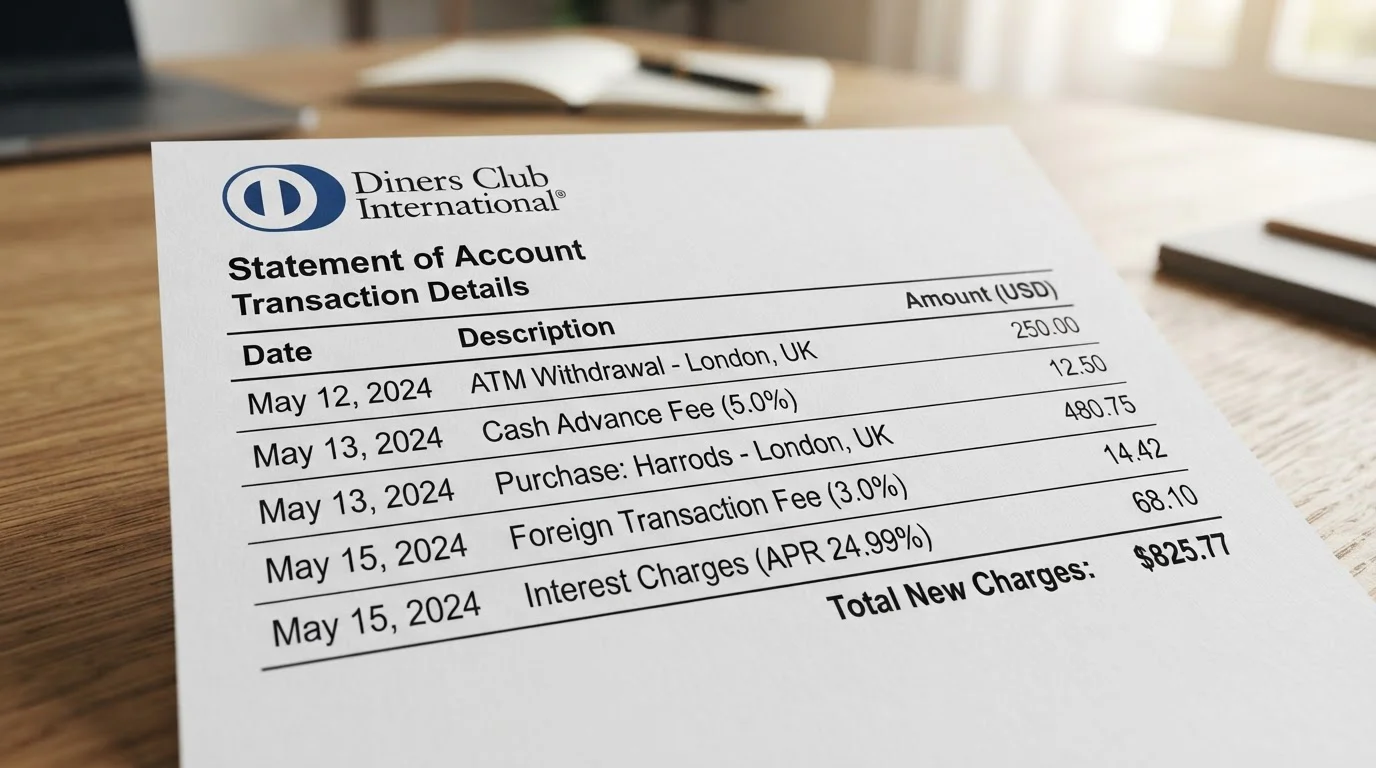
The costs are where it gets uncomfortable. A charge card’s headline promise is no interest if you pay in full each month, and gambling transactions blow a hole in that. Card issuers routinely code a casino deposit as a cash advance rather than a purchase, which means interest from day one and a separate cash advance fee, often around 3% to 5%. Deposit £200 and you may owe more than £200 the moment the transaction posts, before you’ve placed a bet.
Currency adds another layer. Offshore casinos often process in euros or dollars, so expect your issuer’s exchange-rate markup and possibly a non-sterling transaction fee. Per-deposit limits at the few cashiers that list the card tend to sit somewhere between 10 and 500 in the site’s currency, but the cap matters less than the charges wrapped around it. And even where the method is listed, issuer gambling blocks and processor routing gaps mean the payment may bounce for reasons outside your control.
What fees apply when depositing with Diners Club at an online casino?
Expect worse than a debit card. Issuers often treat gambling deposits as cash advances, triggering immediate interest with no grace period plus a cash advance fee of roughly three to five per cent. Casinos processing in euros or dollars add an exchange rate markup and possibly a foreign transaction fee.
The Diners Club Withdrawal Problem
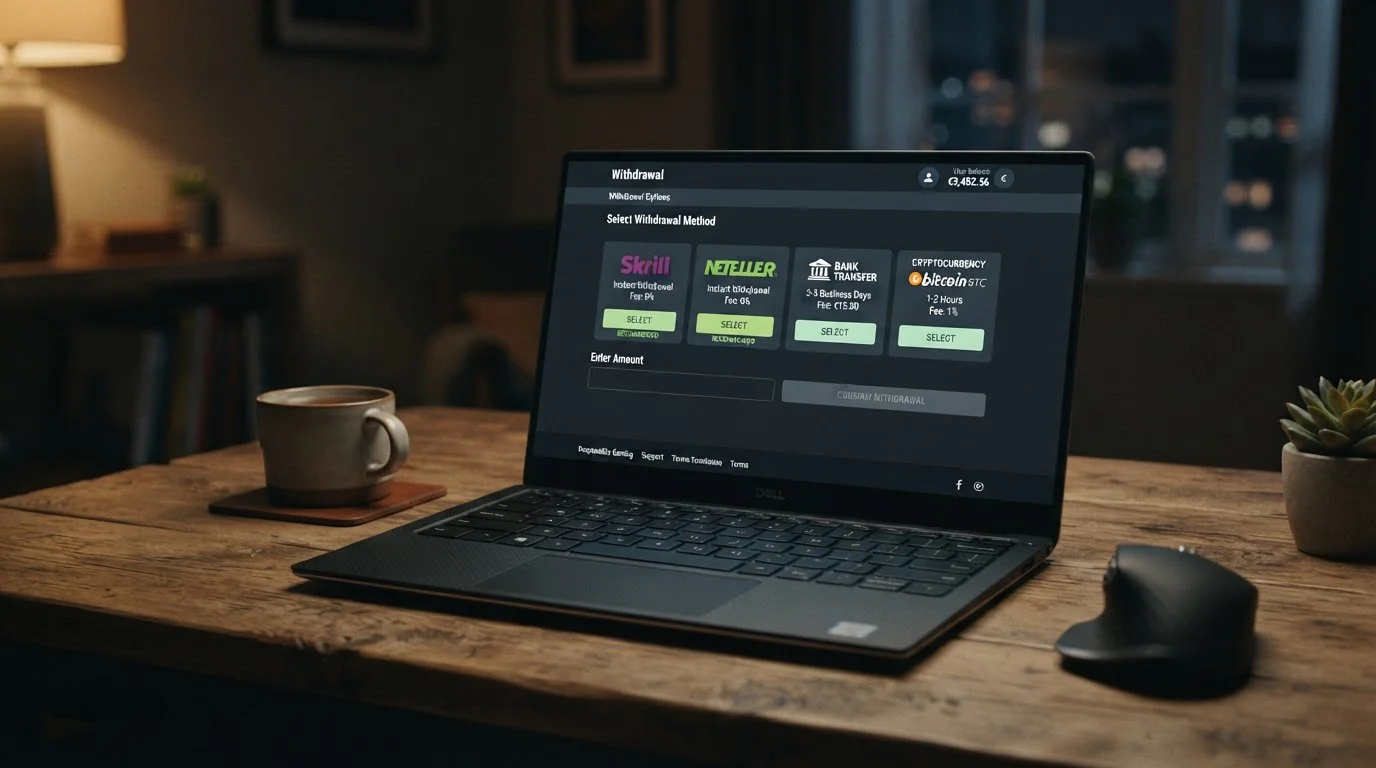
Even if every obstacle above were cleared, one would remain that quietly kills Diners Club as a gambling payment method: you can’t get winnings back onto the card. Withdrawals to Diners Club are either unavailable or so rarely offered as to be a theoretical footnote. That isn’t one casino’s policy; it reflects how card networks and issuers handle payouts to charge cards, and almost no gambling operator fights it.
In practice, depositing with Diners Club forces a split set-up. You deposit with the card, you win, and the casino asks how you’d like to be paid, with Diners Club nowhere on the menu. You have to nominate something else, an e-wallet, a bank account or a debit card in your name. Some operators refund up to your original deposit to the card, reversing the opening transaction, and send any profit by the other method; plenty simply route the whole payout elsewhere.
That’s fatal rather than merely annoying. Diners Club’s only selling point as a deposit method is convenience, and if you need a second method anyway just to collect your winnings, the convenience disappears. You might as well have used the second method for the deposit too. Registering a new withdrawal method also tends to trigger a fresh round of checks, so the “simple” card deposit ends up as the most complicated route available.
Can I withdraw my winnings back to my Diners Club card?
Almost certainly not. Withdrawals to Diners Club are effectively unsupported across the industry, a function of card-network and issuer rules rather than any single casino’s choice. You will need an alternative payout method, typically an e-wallet, bank transfer or debit card, so set one up first.
Why Diners Club Disappeared from Online Casinos
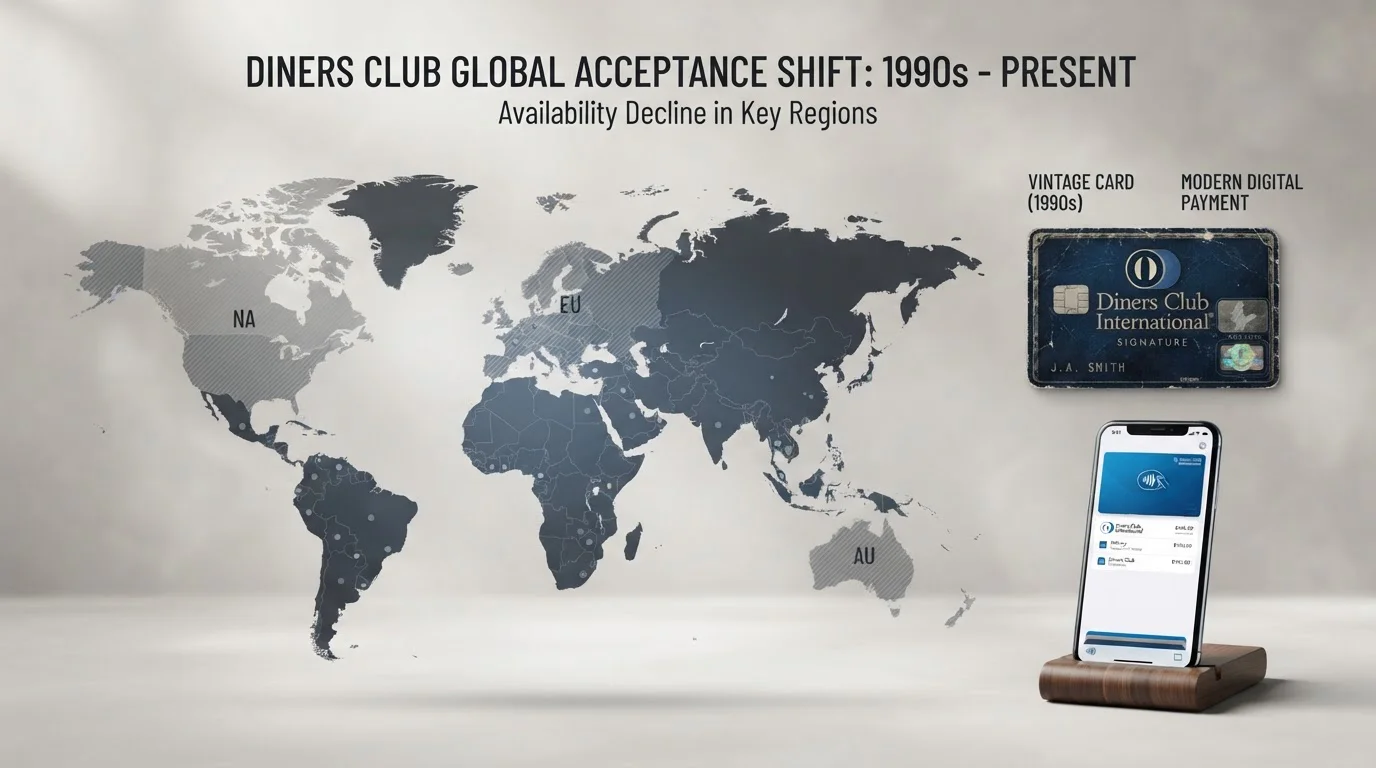
Stepping back from the UK specifics, it helps to see why this card in particular faded from online gambling while Visa and Mastercard debit sail on. Five pressures compounded, and no single one would have been enough on its own.
The first is the shrinking of the card itself. Diners Club has been pulling out of consumer markets for years:
- New personal cards stopped being available to apply for in the United States
- In Australia, NAB wound down the personal Diners Club business it had taken on, closing accounts in 2024
- Across much of Europe the card is now issued only through niche programmes, if at all
A payment method fewer people can obtain is one casinos have less reason to support.
The second pressure is issuer gambling blocks. Banks and card issuers, responding to regulatory and reputational pressure around gambling harm, increasingly decline transactions coded to gambling merchants, and Diners Club issuers are no exception. The third is processor routing. Payment processors integrate the networks their customers demand, and demand for Diners Club is a rounding error next to Visa and Mastercard, so many never added full support.
The fourth is the withdrawal gap, which makes the card structurally unsuited to gambling regardless of everything else. The fifth, for UK players, is the Gambling Commission’s ban, which removed one of Europe’s largest regulated gambling markets from the pool of sites that could ever accept the card. New casinos have no reason to add a method they’re either banned from taking or can’t reliably process. Put the five together, and the card wasn’t so much banned from online casinos as quietly abandoned by them.
Why has Diners Club acceptance declined at online casinos globally?
Five forces combined: the card is being withdrawn from consumer markets such as the US and Australia; issuers increasingly block gambling transactions; few processors fully support the Discover-based network; winnings cannot be withdrawn to the card; and the UK’s 2020 credit card ban erased a major regulated market.
Best Alternatives to Diners Club for UK Players in 2026
If the point of reaching for Diners Club was a quick, card-style deposit, better options are everywhere at UK-licensed casinos, and almost all of them let you withdraw too. Here’s how the main ones compare:
| Payment Method | Deposit Speed | Withdrawal Speed | Typical Fees | At UKGC-Licensed Casinos | Notes |
|---|---|---|---|---|---|
| Visa Debit | Instant | Minutes (Fast Funds) to 3 business days | Usually free | Universal | Default choice for most UK players |
| Mastercard Debit | Instant | 1–3 business days | Usually free | Universal | Some operators can’t pay out to Mastercard |
| PayPal | Instant | Usually within 24 hours | Free in GBP | Widely accepted | Some bonuses exclude e-wallets |
| Skrill | Instant | Usually within 24 hours | Free to pay a casino; fees on some transfers | Widely accepted | Some bonuses exclude Skrill |
| Neteller | Instant | Usually within 24 hours | Free to pay a casino; fees on some transfers | Widely accepted | Paysafe-owned sibling of Skrill |
| MuchBetter | Instant | Usually same day | Free to pay a casino; fees on some transfers | Some sites | App-only, mobile-first |
| Bank transfer / open banking | Usually instant via Faster Payments | 1–3 business days | Usually free | Most sites | Needs a supported bank for open banking |
| Bitcoin, Ethereum, USDT | 5–30 minutes | Under an hour | Network fees | Not accepted | Offshore only; volatile and irreversible |
Debit Cards: The Straightforward Replacement
The least glamorous answer is usually the right one. A Visa or Mastercard debit card does everything a Diners Club deposit promised. The 2020 ban never touched debit cards, because they spend money you already have, which was the whole point. Deposits are instant and free, and the card is already in your wallet: no new account, no app, no exchange.
Withdrawals are the only real weak spot, and less so than they used to be. Many licensed operators now pay Visa Debit withdrawals through Visa Fast Funds, often within minutes to a few hours; elsewhere, allow one to three business days after approval. Some operators can’t pay out to Mastercard Debit, in which case the cashier offers bank transfer or an e-wallet. If your instinct with Diners Club was “I just want to use a card”, a debit card is the honest, boring, reliable version of that instinct.
E-Wallets: PayPal, Skrill, Neteller and MuchBetter
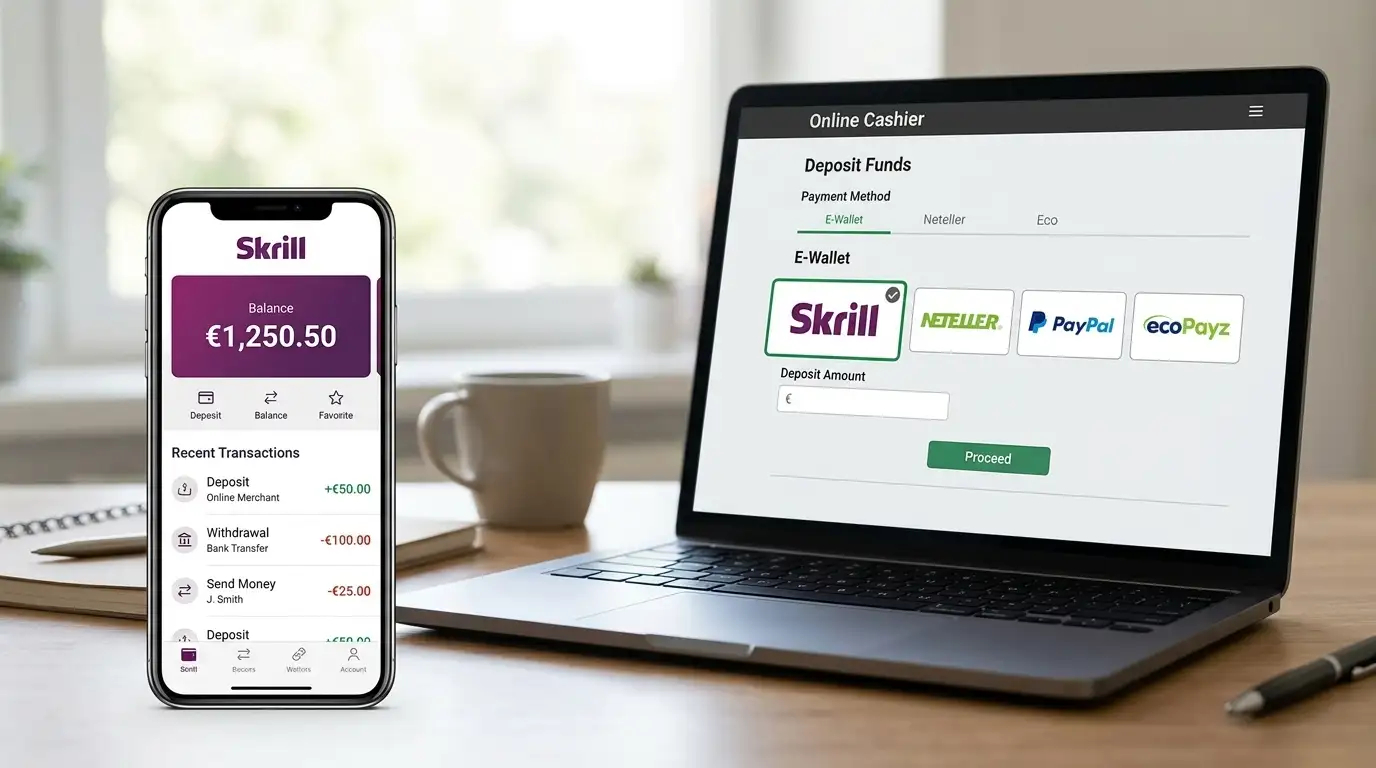
For anyone who liked a single intermediary between their bank and the casino, e-wallets are the natural heir to the card, with one crucial difference: money flows both ways. PayPal is the most familiar and is widely accepted at UK-licensed casinos, with withdrawals usually landing within 24 hours and no fees in sterling.
Skrill and Neteller, both owned by Paysafe, have long histories in gambling payments and are accepted at many licensed sites. They behave almost identically: deposits instant, withdrawals usually within a day, verification in your own name before you can use them. Paying a casino from either is generally free, but both charge for some top-ups, transfers back to your bank and currency conversion, so check the current fee schedule. Some operators exclude Skrill and Neteller deposits from welcome bonuses, a hangover from years of bonus abuse.
MuchBetter is the newer, app-only option, available at a smaller set of casinos. Everything runs through the phone app, which suits mobile players but means you can’t fund an account from a laptop without your phone to hand. Verification is often quick, and withdrawals usually arrive the same day.
All four require identity verification in your own name. That’s a feature rather than a nuisance: it ensures a withdrawal lands in an account you control, which is precisely what Diners Club could never offer.
Bank Transfers and Open Banking
A direct bank transfer, increasingly presented as “open banking” or “Pay by Bank”, moves money straight from your account to the casino with no card and no wallet in between. You pick your bank, approve the payment in your banking app, and the money usually arrives within minutes over Faster Payments. It’s accepted at most licensed sites, carries no casino fee, and stores no card details anywhere. Withdrawals typically take one to three business days, and for larger sums, where e-wallet fees and card limits start to bite, it’s often the sensible route.
Apple Pay and Google Pay
If what you liked about Diners Club was tapping a premium card on your phone, Apple Pay and Google Pay give you the same feel at many licensed casinos. They draw on the debit card stored in your phone’s wallet, so the money is your own and the 2020 ban doesn’t apply. Deposits are instant and confirmed with Face ID, a fingerprint or your PIN; withdrawals usually go back to the underlying debit card or by bank transfer.
A Word on Crypto
Crypto comes up constantly in offshore marketing, so it’s worth being clear. No UKGC-licensed casino accepts cryptocurrency, so using it means playing at an unlicensed site, with every caveat that brings. Prices can swing sharply while coins sit in a casino balance; stablecoins such as USDT track the US dollar instead, which still leaves you exposed to the pound-dollar exchange rate. Transfers are irreversible, so there’s no chargeback if a site refuses to pay. And because the coins move outside the card networks, a gambling block on your bank card doesn’t reach them, which is a reason for caution, not a selling point. If you’ve set a block, it’s there for a reason.

What’s the best alternative to Diners Club for UK online casino deposits?
For most players, a Visa or Mastercard debit card at a UKGC-licensed casino: instant, free and accepted everywhere. PayPal, Skrill or Neteller suit anyone wanting a wallet between bank and casino, and open banking suits larger sums. All share what Diners Club lacks: you can actually withdraw your winnings.
Getting Paid Smoothly at a Licensed Casino
Swapping Diners Club for a debit card or e-wallet solves the deposit problem. The other half, getting winnings out without delays, depends mostly on what you do before you ever request a withdrawal.
Verify Early, and Match Every Detail
UKGC-licensed casinos must verify your age and identity before you can deposit, a rule in force since May 2019, so most of the work happens at sign-up, often automatically through credit reference agencies. Where the automatic check falls short, you’ll be asked for photo ID, such as a passport or driving licence, and proof of address dated within the last three months. Upload clear, complete images straight away rather than waiting until you have a balance to withdraw.
Names matter more than people expect. If your casino account says “Robert” and your bank statement says “Rob”, or your address is formatted differently, a reviewer may pause the payout until it’s resolved. Use your full legal name and the address exactly as it appears on your bank documents, and make sure any card or e-wallet you use is registered in that same name. Payment methods in someone else’s name will be refused.
Pick the Withdrawal Route Before You Deposit
Licensed casinos generally pay winnings back to the method you deposited with, as an anti-money-laundering control, so the deposit choice is really a withdrawal choice too. If speed matters, check the cashier before your first deposit: some operators push Visa Debit payouts through Fast Funds within minutes, others pay PayPal within hours, and some still take a few business days for every method. A first withdrawal can also bring a request for proof of payment method, such as a photo of your card with the middle digits covered, or a screenshot of your e-wallet account.
Timing makes a difference as well. Requests made late on a Friday can sit until Monday at operators that only process on business days, and card payouts that aren’t sent through Fast Funds settle on business days only. And if a pending withdrawal tempts you to cancel it and keep playing, leave it alone: that money has already been won, and the point of withdrawing was to keep it.
Bonus Terms That Can Hold Up a Payout
An active bonus is the most common reason a withdrawal is refused. Until the wagering requirement is met, bonus funds and any winnings tied to them usually can’t be withdrawn, and asking to withdraw early may forfeit the bonus. Since 19 January 2026, wagering at licensed casinos has been capped at 10x the bonus, so a £20 bonus needs at most £200 of stakes, but game weighting, time limits and maximum bet rules still apply. If you’d rather keep withdrawals simple, decline the bonus at deposit; nothing obliges you to take one.
If a Licensed Casino Won’t Pay
Disputes at UK-licensed operators follow a set path. Start with the operator’s own complaints procedure and keep copies of every message. If the complaint isn’t resolved within eight weeks, or you get a final response you disagree with, you can take it free of charge to the operator’s approved alternative dispute resolution (ADR) provider, which must be named in its terms; IBAS is the best known. The Gambling Commission doesn’t resolve individual complaints, but it does want to hear about operators breaking the rules, and the Financial Ombudsman Service doesn’t handle disputes with gambling operators. None of these routes exists at an offshore site, which is the clearest practical argument for staying with licensed operators.
How to Check a Casino’s Licence in Two Minutes
Every legitimate UK operator appears on the Gambling Commission’s public register, which you can search by business name, brand name or website address. The casino’s footer should show its licensing company and account number; search that number on the register and check that the website you’re on is listed under it. If the footer only mentions Curaçao, Anjouan or Malta, the site isn’t licensed to serve Great Britain.
A few other signs give unlicensed sites away quickly: credit or charge cards in the cashier, crypto deposits, “no verification” or “no KYC” promises, and any marketing that mentions GamStop as something the site isn’t part of. Any one of those means the operator is outside the British system, and so is your money once you deposit it.
If Diners Club Is the Only Card You Hold
Some players hold Diners Club as their main card, perhaps through a corporate account or a long-standing personal one, and wonder whether it’s worth the effort. The realistic answer is no. Licensed casinos won’t offer it, offshore sites rarely process it, and those that do take you outside every British protection, add cash advance charges, and still can’t pay you back to it.
If the card is a corporate one, there’s an extra reason to leave it out of the cashier entirely. Company card agreements almost always restrict use to business expenses, gambling transactions are easy to spot on a statement, and an employer reconciling expenses will see exactly where the money went. Even where a deposit went through, you’d be risking far more than the stake.
The practical fix is simple. A current account with a debit card, or a PayPal account linked to that current account, takes minutes to set up and works at every licensed casino in both directions. If you’d rather keep gambling money separate from everything else, an e-wallet or a separate current account used only for that purpose gives you a clear ledger of exactly what you’ve spent.
Whatever you use, set the safeguards up first. Every UKGC-licensed casino must let you set daily, weekly or monthly deposit limits; reducing a limit applies immediately, while increasing one only takes effect after a cooling-off period. Since 19 January 2026, bonus wagering at licensed casinos has been capped at 10x, so terms are far more transparent than they were. Online slots are capped at £5 a spin for players aged 25 and over and £2 for 18- to 24-year-olds. GamStop lets you exclude yourself from every licensed operator at once for six months, one year or five years, and most UK banking apps let you switch on a gambling block in seconds.
Keeping Spending in Check Without a Credit Line
Part of the appeal of a charge card is the monthly statement: one bill, one figure, settled in full. Debit cards and e-wallets don’t give you that pause, because the money leaves your account straight away, so it’s worth building your own version of it.
The simplest approach is a fixed monthly gambling budget, decided in advance and treated as the cost of entertainment rather than an investment. Set the casino’s deposit limit to match it, so the cashier enforces the number on a bad night rather than your willpower. If you play at more than one site, remember that each limit only covers that operator; your bank’s spending insights or a separate account used only for gambling show the real total across all of them.
Reality checks, which pop up after a set period of play and show how long you’ve been on and how much you’ve won or lost, are standard at licensed casinos and worth switching on. Time-outs let you step away for 24 hours, a week or longer without closing your account.
Watch for the familiar warning signs: chasing losses, depositing again straight after a withdrawal, borrowing to play, or hiding how much you spend. If any of those sound familiar, GamStop and a bank gambling block can shut the door across every licensed site in a single afternoon, and free support is available from GamCare and the National Gambling Helpline at any hour. Using those tools early is far easier than repairing the damage later.
Why the Effort Rarely Pays Off
By the time you’ve found an offshore site that genuinely processes the card, given up UK consumer protection, registered a separate withdrawal method and braced for a decline, you’ve done more work than simply using that withdrawal method to deposit in the first place. The card that started the cashless dinner in 1950 has, three-quarters of a century later, run out of road at the casino cashier.
Every payment method involves some trade-off between speed, cost and reach. An e-wallet asks you to open and verify an account, but then works reliably both ways. A debit card is already in your pocket and works at virtually every licensed site, with withdrawals that are increasingly quick. Diners Club asks for all the overhead (verification, processor roulette, stacked fees) and delivers none of the reliability: it deposits sometimes, never withdraws, and forces you to keep a second method anyway.
The broader lesson for anyone chasing a niche payment method is that cashiers have moved on faster than the lists cataloguing them. What worked five years ago may not work today, and what a directory claims may not survive contact with a live checkout page. The only reliable test is the cashier itself, at a licensed site, on the day you need it. For Diners Club, that test will almost always end the same way, and the alternatives are cheaper, faster and, crucially, able to pay you back.
Casino Deposit Methods UK 2026 — Compare Payment Options
Content created by the «Bankrol Bridge» team