
UK Casinos and ClickandBuy: Why It's Gone and What Replaced It
 Available in GB
ClickandBuy no longer exists at UK online casinos. The service shut down in April 2016, more than ten years ago, when Deutsche Telekom pulled the plug on its e-wallet subsidiary. That might surprise anyone still hoping to find a ClickandBuy casino in 2026—the name lingers in old casino listings, but the payment method is long gone.
The closure wasn’t sudden chaos. Deutsche Telekom gave users until 30 April 2016 to withdraw remaining balances before permanently terminating both the online payment system and the MyWallet Card. The brand’s website was later reduced to a simple closure notice. Competition from PayPal, Skrill and a wave of newer payment technologies had made ClickandBuy’s position untenable.
UK casino players who relied on ClickandBuy back then faced a choice: find alternatives or stop playing online. Most migrated to PayPal if they valued mainstream trust, Skrill or Neteller if they wanted wallets with deep gambling acceptance, and eventually Apple Pay or Google Pay once mobile wallets reached UK casino cashiers around 2019. The e-wallet market consolidated, and ClickandBuy became a footnote.
If you’re searching for a ClickandBuy casino in the UK, what you really want is instant deposits, fast withdrawals and a layer between your bank card and the casino. Those features didn’t disappear—they just moved to different brands. The story of why ClickandBuy closed also explains which UKGC-licensed payment methods do the same job in 2026.

ClickandBuy and UK Online Casinos: What Happened?
ClickandBuy launched in 1999 under the name Firstgate, rebranded in the mid-2000s, and spent a decade building a reputation as a reliable e-wallet across Europe. At its peak, the service claimed around 10 million users and partnerships with over 14,000 merchants. Deutsche Telekom acquired the company in 2010, presumably expecting payments to follow telecommunications into utility-scale consolidation.
That didn’t happen. PayPal had already cemented its position as the default e-wallet in most consumer markets, while Skrill and Neteller carved out a niche among gambling-focused users. ClickandBuy sat awkwardly in the middle—too generic to beat PayPal, too broad to compete with the gambling specialists.
Why ClickandBuy Closed in 2016
The official line was “intense market competition.” That’s accurate but incomplete. ClickandBuy faced structural problems that no amount of marketing budget could fix. PayPal had won the mainstream e-wallet war by the early 2010s—anyone who’d used eBay trusted PayPal, and that trust transferred to other online transactions, including casino deposits. Skrill and Neteller, meanwhile, leaned hard into gambling and forex merchants, which let them build features PayPal avoided, such as same-day casino withdrawals.
ClickandBuy tried to be both. It accepted online casino transactions but never fully committed to the gambling niche the way Skrill did. It offered a prepaid card (MyWallet) but couldn’t match PayPal’s ubiquity or Paysafecard’s cash-at-the-counter simplicity. It operated across dozens of countries, yet its volumes were a rounding error next to PayPal’s.
Deutsche Telekom’s decision reflected a broader retreat from non-core ventures. The telecoms group had moved into payments during the 2000s boom, then found that an e-wallet needed constant product updates and regulatory work in many jurisdictions. By 2016, management concluded the business was a distraction. Around eighty jobs were lost, and the service wound down with minimal public comment.
Customers received email notifications and a deadline of 30 April 2016. Most UK casino users simply switched to PayPal or Skrill and carried on. The transition was smooth because ClickandBuy had never become indispensable in any single market segment—it was everywhere, but nowhere essential.
What ClickandBuy Offered Casino Players
ClickandBuy’s main selling point was convenience. You linked a bank account or card to your ClickandBuy wallet once, then confirmed casino deposits with a login and a click—no need to type card numbers repeatedly at different operator cashiers. The casino never saw your underlying payment details, which reduced the risk of data breaches, and your bank statement showed “ClickandBuy” rather than individual casino names.
Deposits were instant. Withdrawals went back to the wallet, though processing times varied by casino; from there you could transfer the money to your bank account or spend it via the MyWallet Card. The card suited users who wanted to spend winnings without routing everything through a bank, though UK uptake was modest compared with core markets such as Germany.
ClickandBuy supported a long list of currencies, which mattered more to international players than to UK users transacting in GBP. The service charged consumers little or nothing for most transactions, taking merchant fees from casinos instead. That model worked until competition from PayPal and Skrill made it impossible to keep merchants without cutting fees below profitability.
Mobile was the other weak spot. Apple Pay launched in 2014 and reached the UK in 2015, and Android Pay arrived in Britain in 2016, introducing the biometric-confirmation model that would eventually replace typed logins. ClickandBuy’s interface felt increasingly dated—functional but clunky, built for desktop web in the mid-2000s and never rebuilt for mobile-first users. That mattered less in 2010 but became a serious handicap as casino play moved onto phones.
Is ClickandBuy still available at UK online casinos in 2026?
No. No casino, licensed or offshore, can process a ClickandBuy deposit or withdrawal today. A site that still lists the logo has simply not updated its pages, which says something about how carefully the rest of its information is maintained. PayPal, Skrill, Neteller and Apple Pay now fill the gap.
What happened to my ClickandBuy balance when it shut down?
The 30 April 2016 deadline ended the service, not your claim to the money. Under e-money rules, customers keep a right to redeem outstanding balances after a contract ends, so anyone who missed the date had to contact the company directly. No casino can access or credit an old ClickandBuy balance today.

Modern E-Wallet Alternatives to ClickandBuy
The features ClickandBuy offered in 2016—instant deposits, fast withdrawals, a buffer between card and casino, no repeated card entry—didn’t vanish when the service closed. They migrated to other e-wallets and payment methods. PayPal took the mainstream users who valued brand recognition. Skrill and Neteller absorbed the gambling-focused cohort. Apple Pay and Google Pay captured mobile-first players who wanted biometric confirmation. Paysafecard served people who prefer to pay with cash.
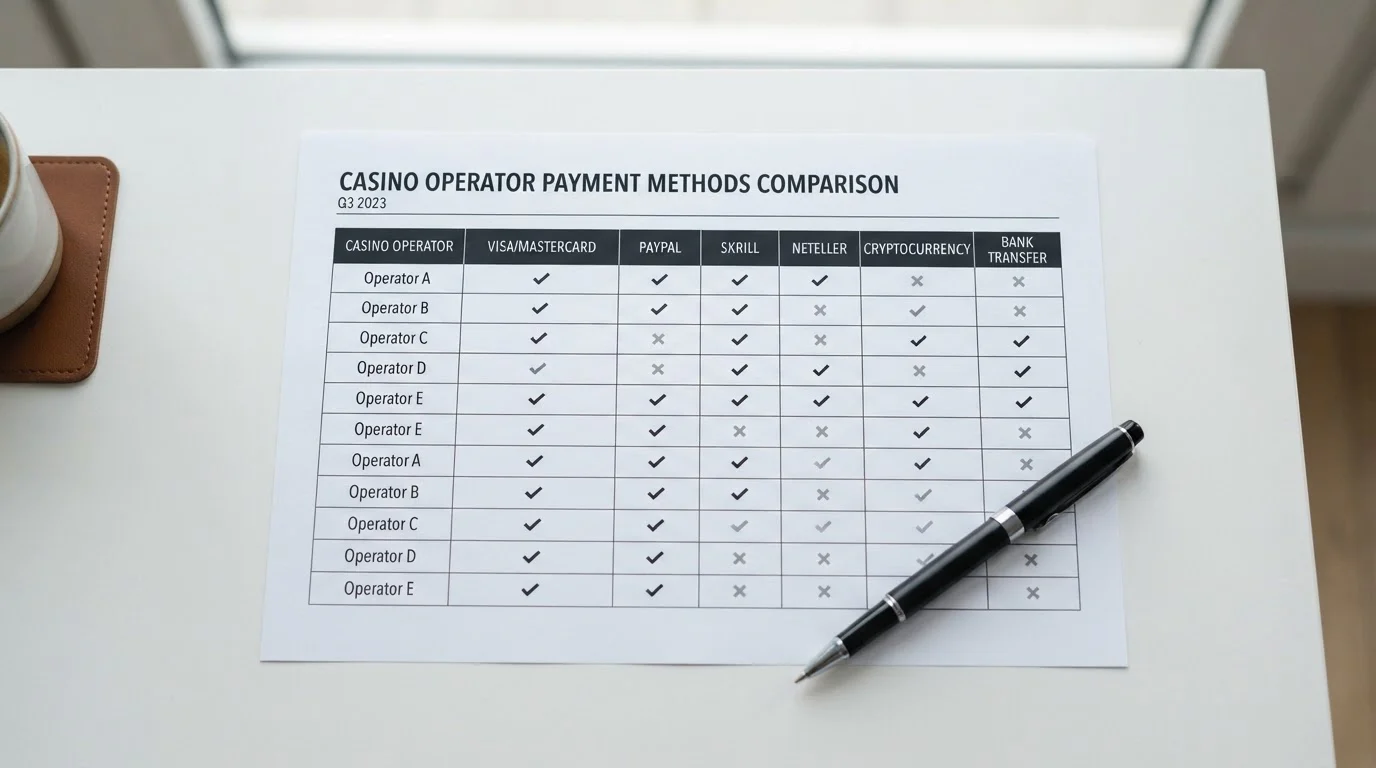
Each alternative outperforms ClickandBuy on at least one dimension. PayPal’s brand trust is unmatched. Skrill and Neteller routinely deliver same-day withdrawals. Apple Pay and Google Pay turn deposits into a face scan or a fingertip. Paysafecard lets you deposit cash without touching a bank account. Here’s how the six main replacements compare:
| Payment Method | Deposit Speed | Withdrawal Speed | UK Casino Acceptance | Key Feature |
|---|---|---|---|---|
| PayPal | Instant | Under 24 hours (often <3 hours) | ~40 UKGC-licensed casinos | Mainstream trust, household name, eBay legacy |
| Skrill | Instant | Same-day (often <6 hours) | 100+ UKGC-licensed sites | Wide gambling acceptance, VIP fee discounts |
| Neteller | Instant | Same-day (often <6 hours) | 100+ UKGC-licensed sites | Net+ prepaid Mastercard for direct spending |
| Apple Pay | Instant | Returns to linked debit card (1–3 days) | Growing list (BoyleSports, William Hill, Betway, 888 Casino) | Biometric security (Face ID/Touch ID), mobile-first |
| Google Pay | Instant | Returns to linked debit card (1–3 days) | Slightly narrower than Apple Pay (BetVictor, William Hill, SlotsMagic) | Android and Chrome, fingerprint/PIN confirmation |
| Paysafecard | Instant | Deposit-only at most casinos (cash out via another method) | Selected UKGC casinos (William Hill, SlotsMagic, SpinYoo) | Cash-bought prepaid vouchers, fixed spend per voucher |
Between them, these cover the ground ClickandBuy once occupied. If you valued instant deposits, all six deliver. If you needed fast withdrawals, PayPal, Skrill and Neteller are the quickest routes back to your money. If you want a firm ceiling on spending, a Paysafecard voucher is exactly as big as the cash you paid for it. If convenience was the goal, Apple Pay and Google Pay remove the login step entirely.
PayPal: The Mainstream Choice
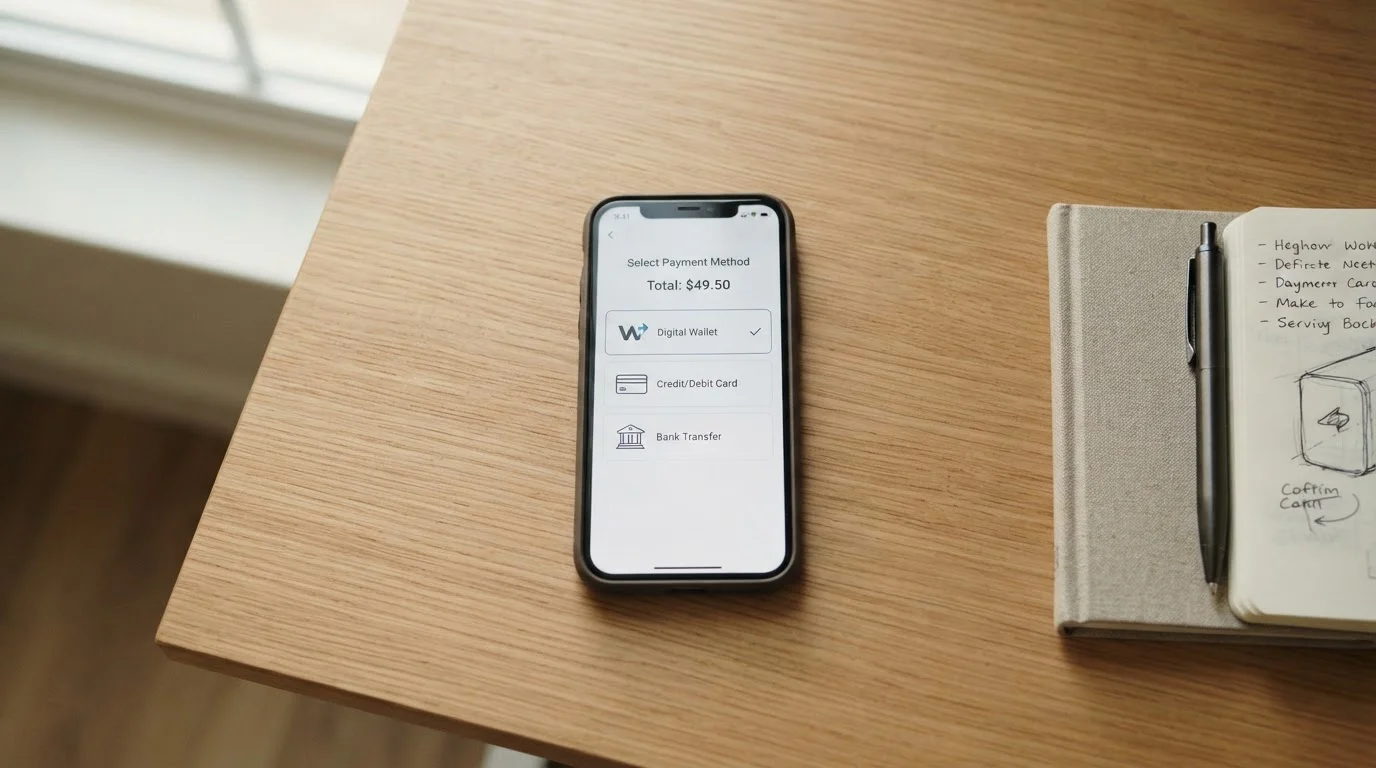
PayPal Holdings Inc. operates the most recognisable e-wallet brand in the UK, with roughly 25 million active UK users—more than a third of the population. Many UK adults already have a PayPal account for eBay, food delivery or bill splitting, which means no setup friction when depositing at an online casino. Around 40 UKGC-licensed casinos accept PayPal, including Casumo, Betway, MrQ, PokerStars Casino and Sky Vegas.
PayPal deposits are instant. You select PayPal at the casino cashier, log in, confirm the amount, and funds land in your casino account within seconds. Your real card or bank details never touch the casino’s database—PayPal acts as an intermediary, and the entries on your bank statement read “PayPal” rather than an operator’s name. Withdrawals typically complete within 24 hours once the casino approves the request, and many operators now clear PayPal payouts in under three hours.
The main limitation is availability. PayPal restricts which gambling operators can become merchants, and its approval process is stricter than Skrill’s or Neteller’s—hence roughly 40 casinos versus 100-plus for the Paysafe wallets. The upside is a second layer of vetting: a casino has to pass PayPal’s own merchant due diligence on top of holding a UKGC licence.
PayPal charges no consumer fees for deposits or withdrawals at UK casinos. The operator pays merchant fees on the backend, but those don’t pass through to your account. Minimum deposits vary by casino but typically range from £5 to £10. Because so many people already hold an account, PayPal is often the first payment method UK players look for when opening a casino account.
Skrill: Built Around Gambling Merchants
Skrill Limited, which started life as Moneybookers in 2001, operates under the Paysafe Group umbrella, which Blackstone and CVC Capital Partners acquired in 2017. Skrill is a general-purpose e-wallet, but gambling and forex merchants became its core business, and that focus shows in its speed and acceptance. More than 100 UKGC-licensed casinos list Skrill in their cashiers. Deposits land immediately and withdrawals usually complete the same day.
The gambling focus shows up in the details. The e-wallet supports GBP and 40+ other currencies, and “Skrill 1-Tap” on mobile streamlines repeat deposits. There’s a VIP programme with reduced fees, which matters more for high-stakes players than casual users. When you top up Skrill from your bank, the statement entry reads “Skrill” rather than a casino name—the same buffer ClickandBuy once provided.
Withdrawals are quick, though at many operators PayPal still edges ahead. Most UK casinos process Skrill payouts within six hours of approval, and some clear them in under an hour. Once the casino releases the money, the transfer between its Skrill account and yours is near-instant because both sit inside the same wallet system; Skrill’s FCA authorisation as an e-money institution governs how your balance is safeguarded, not how fast it moves. Once funds hit your wallet, you can transfer them to your bank account (1–3 days), spend them at merchants that accept Skrill, or use Skrill’s own prepaid Mastercard.
Casino deposits via Skrill are free. Withdrawals from the wallet to your bank account carry a small fee, which VIP members can reduce. Minimum casino deposits are usually £5 or £10, matching PayPal and debit cards. Skrill’s main competitor is its sister service Neteller, which works almost identically under the same Paysafe ownership—most players simply stick with whichever they signed up for first.
Are Skrill and Neteller better than ClickandBuy was?
For UK casino players, yes. Both wallets clear most casino withdrawals the same day, are accepted at more than 100 UKGC-licensed sites, and verify funding sources to comply with the credit-card ban. ClickandBuy’s mid-2000s desktop technology was never modernised; the Paysafe wallets have kept rebuilding theirs.
Neteller: Fast Withdrawals, High Limits
Neteller operates as Skrill’s sister brand under the Paysafe Group, targeting the same gambling-focused user base with nearly identical functionality. Its best-known extra is the Net+ prepaid Mastercard (Skrill offers a similar prepaid card of its own). The card lets you move casino winnings from the wallet onto a physical card and spend them anywhere Mastercard is accepted—petrol stations, supermarkets, cash machines—without waiting 1–3 days for a bank transfer.
Neteller is set up for large balances, with high withdrawal limits for fully verified accounts. Withdrawal processing times match Skrill: under six hours is typical, and fast-paying operators sometimes clear payouts in under an hour. Over 100 UKGC-licensed casinos accept Neteller, including SpinYoo, Casushi, Mega Riches and Playzee.
You fund your Neteller wallet by bank transfer or debit card, confirm casino deposits with a login, and withdraw winnings back to the wallet for onward transfer to your bank or the Net+ card. The app is close to a carbon copy of Skrill’s, which isn’t surprising given both are maintained under the same Paysafe roof.
Neteller is likewise free for casino deposits. Withdrawals to your bank account carry a small fee similar to Skrill’s, and Net+ card usage has its own fee structure set out in Neteller’s terms. Minimum deposits at casinos accepting Neteller typically start at £5 or £10. In practice, the choice between the two Paysafe wallets comes down to which app and card you prefer.
Neteller’s long history in international markets means it is sometimes more widely accepted than PayPal at offshore sites. That’s irrelevant for UK players: operators serving Great Britain without a UKGC licence are doing so unlawfully, and you’d lose every protection the UKGC provides.
Apple Pay: Mobile-First Deposits
Apple Inc.’s mobile payment service launched in 2014 and began appearing at UK casino cashiers around 2019. Apple Pay works on iPhone, iPad, Apple Watch and Mac, tokenising your underlying debit card so the casino never sees your real card number. Deposits are confirmed via Face ID, Touch ID or device passcode, which turns funding your account into a glance or a touch—faster than typing a PayPal or Skrill login.
A growing list of UK casinos accepts Apple Pay, including BoyleSports, William Hill, Highbet, Betway and 888 Casino. That’s still a smaller list than PayPal, Skrill or Neteller, but adoption keeps climbing now that most casino sessions happen on phones. Deposits clear immediately and typically start at £5 or £10. Apple Pay deposits are processed as card transactions on the backend, which means the same UKGC rules apply: a credit card stored in your Apple Wallet will be declined.
The main appeal is speed and convenience. You don’t create a separate account, link a bank or manage a wallet balance. Apple Pay uses the debit card already stored in your Apple Wallet, adds a biometric confirmation layer, and processes the transaction instantly. Withdrawals don’t return “to Apple Pay” itself—they return to the debit card you used for the deposit, landing in 1–3 business days like any other card payout.
Tokenisation means your real card number is replaced with a device-specific token and a one-time code for each transaction. Even if a casino’s payment processor were breached, attackers would only see data that’s useless for fraud. That’s a genuine security upgrade over typing card numbers directly into casino cashiers, and it’s something ClickandBuy never offered.
The limitation is device lock-in. Apple Pay only works on Apple devices, which excludes Android users. If you switch from iPhone to Android, you’ll need to set up Google Pay or fall back on PayPal, Skrill or debit cards. For iPhone users, though, Apple Pay is the quickest deposit method at UK casinos in 2026—a tap and a face scan beats every alternative on speed.
Google Pay: Android’s Instant Option
Google LLC’s mobile payment service works much like Apple Pay, but on Android devices and the web. Google Pay tokenises your underlying debit card, confirms transactions via fingerprint or PIN, and processes deposits instantly at UK casinos that accept it. BetVictor lists Google Pay with a £5 minimum deposit, and other UKGC operators keep adding support as mobile deposits become the default for UK players.
Google Pay’s acceptance at UK casinos lags Apple Pay slightly, which likely reflects the iPhone’s strong share among UK mobile users. The gap is closing—Google Pay now appears in many of the same cashiers that list Apple Pay, and processing speed and user experience are nearly identical. Funds arrive at once, withdrawals return to the linked debit card in 1–3 days, and tokenisation keeps your real card number away from the casino.
There’s no charge for Google Pay deposits either. The service pulls funds directly from your linked debit card, so there’s no wallet balance to manage and no account to fund separately. You confirm transactions via fingerprint, face scan or PIN, depending on your device. Minimum deposits typically match Apple Pay at £5 or £10.
Google Pay’s main advantage over Apple Pay is cross-device flexibility. It works on Android phones, Android tablets, Wear OS watches and in Chrome on a desktop. If you use multiple devices or switch brands frequently, Google Pay follows you more easily than Apple’s ecosystem. The security model is the same—tokenisation plus device authentication—so there’s no meaningful difference in safety.
If you’re already deep in the Google ecosystem, Google Pay is the path of least resistance. On an iPhone, Apple Pay wins by default. On a Windows PC, Apple Pay is out of the picture, but Google Pay works through Chrome where the casino supports it on desktop; otherwise PayPal, Skrill or Neteller are the practical choices.
What is the fastest deposit method at UK casinos now that ClickandBuy is gone?
Apple Pay, Google Pay, PayPal, Skrill and Neteller all offer instant deposits confirmed in seconds. Mobile wallets are quickest in practice because a fingerprint or face scan beats typing a login. For withdrawals, PayPal is often quickest, under three hours at many operators, with Skrill and Neteller usually paying the same day once approved.
Paysafecard: Cash-Bought Prepaid Deposits
Paysafecard is a prepaid voucher system run by the Paysafe Group, the same parent company that owns Skrill and Neteller. It works differently from e-wallets—you buy a physical or digital voucher with a 16-digit PIN at one of 18,000+ UK retail outlets (Tesco, Sainsbury’s, PayPoint locations), then redeem that PIN at the casino cashier. Deposits credit straight away, but most UK casinos treat Paysafecard as deposit-only, so you’ll need another method such as a debit card or bank transfer to cash out.
Paysafecard’s appeal is simplicity and a built-in spending ceiling. You hand over cash, get a code, and deposit exactly that amount—nothing more. Don’t mistake that for gambling off the record, though: your casino account is still fully age- and identity-verified, every deposit is logged against your name, and the operator’s safer-gambling checks apply in full. If the main attraction is that nobody will see the spending, that’s worth pausing on; it’s a common warning sign, and GamCare’s helpline exists for exactly that conversation.
Vouchers come in denominations from £10 to £100, and you can combine multiple PINs at the cashier if your deposit exceeds a single voucher’s value. Paysafecard also offers a registered “my paysafecard” account for storing balances online and tracking spending, which some casinos also support for withdrawals.
UK casinos accepting Paysafecard include William Hill, SlotsMagic, SpinYoo, LuckyMate and DaznBet. Acceptance is narrower than for PayPal, Skrill or Neteller, partly because a deposit-only method forces operators to set up a second payout route for every customer. Plan for that before you deposit: the withdrawal will typically go to a debit card (1–3 days) or bank transfer (3–5 days).
Paysafecard charges no fee for casino deposits—a £50 voucher becomes £50 of casino balance. Fees can apply to unused voucher balances after a period of inactivity, so it’s sensible to buy only what you intend to spend.
What is the best alternative to ClickandBuy for UK casinos?
It depends on which ClickandBuy feature mattered most to you. PayPal suits mainstream users who value brand trust and already have an account. Skrill and Neteller suit regular players who want same-day withdrawals. Apple Pay and Google Pay suit mobile-first players. Paysafecard suits anyone who wants to pay cash and cap each deposit.
Best UK Casinos Accepting ClickandBuy Alternatives (2026)
These six UKGC-licensed operators all accept a range of ClickandBuy replacements, integrate with GamStop, and pay e-wallet withdrawals quickly. They’re ordered by payment flexibility, game depth and compliance record rather than marketing spend, and each suits a different kind of player—from slot-catalogue hunters to people who just want bonuses without rollover.
| Casino | UKGC Licence Holder | Payment Methods Accepted | Fastest Withdrawal | Distinguishing Feature |
|---|---|---|---|---|
| Casumo | Casumo Services Ltd | PayPal, Skrill, Neteller, Visa, Mastercard, Apple Pay, Trustly | PayPal under 2 hours | 4,420+ games, one of the largest UK catalogues |
| Betway | Betway Ltd | PayPal, Skrill, Neteller, debit cards, Apple Pay, bank transfers | PayPal/Skrill under 24 hours (VIP 3 hours) | eCOGRA certified, Flexi Bonus system |
| SlotsMagic | SkillOnNet Ltd | PayPal, Skrill, Neteller, debit cards, Apple Pay, Google Pay, Paysafecard, bank transfers | E-wallets same-day | Widest payment choice, slots-focused |
| Sky Vegas | Sky Betting & Gaming | PayPal, debit cards, Apple Pay | PayPal under 24 hours | No-wagering free-spin offers |
| William Hill | WHG (International) Ltd | PayPal, Skrill, Neteller, debit cards, Apple Pay, Google Pay, Paysafecard | E-wallets under 24 hours | Heritage brand since 1934, owned by evoke plc (formerly 888 Holdings) |
| MrQ | Lindar Media Ltd | PayPal, debit cards | PayPal under 24 hours | Zero-wagering specialist (bonuses carry 0x) |
Casumo: 4,420+ Games, PayPal Under 2 Hours
Casumo Services Limited holds a UKGC licence (account number 39483) and has been licensed for UK play since 2015. The Malta-based operator built its reputation on game variety—4,420+ titles in 2026, making it one of the largest casino catalogues licensed for UK play. That’s roughly two to four times the 1,000–2,000 games a typical UK casino carries, spanning slots, live dealer tables and progressives from every major provider.
Casumo accepts PayPal, Skrill, Neteller, Visa, Mastercard, Apple Pay and Trustly (instant bank transfer). The minimum deposit is £10 across all methods. PayPal withdrawals typically clear in under two hours once approved, which is faster than most competitors manage, while debit card payouts take the usual 1–3 business days. Like every UKGC licensee, Casumo must tell you how well customer balances are protected if the business fails (not protected, medium or high), so check that rating in its terms before depositing large sums.
Casumo’s loyalty system uses gamification—players progress through “adventure” levels by wagering, unlocking rewards such as free spins and reload bonuses. All bonuses comply with the UKGC’s 10x wagering cap, in force since 19 January 2026, a sharp drop from the 35x–50x terms that were common before.
The game library pulls from NetEnt, Microgaming, Pragmatic Play, Evolution and dozens of other providers, with live casino running on Evolution’s tables. Casumo holds licences from both the UKGC and the Malta Gaming Authority, and as a UKGC licensee its games must be tested by approved independent test houses before going live.
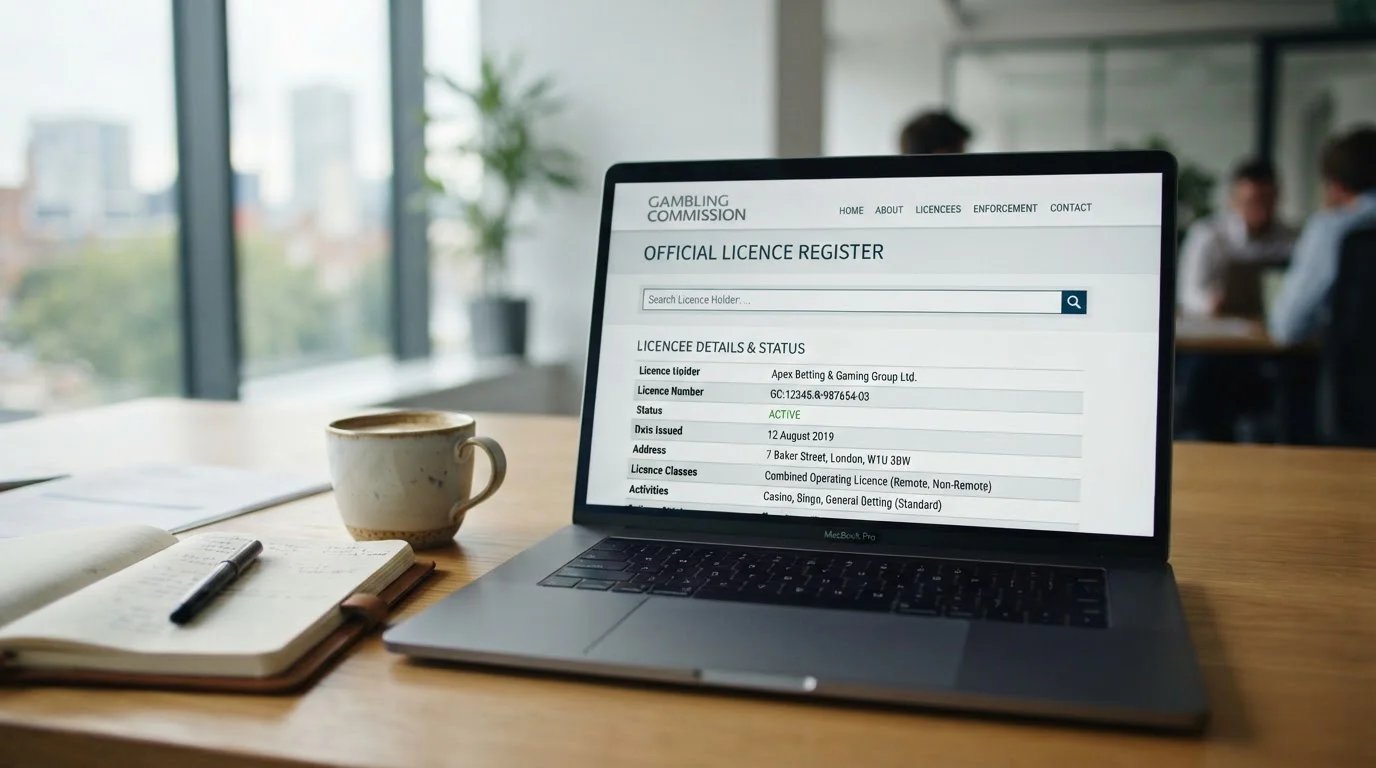
Casumo suits players who prioritise game variety and fast PayPal withdrawals. Its full compliance history sits on the Gambling Commission’s public register for anyone who wants to check. For a former ClickandBuy user who mostly cared about quick, card-free deposits, Casumo’s PayPal integration is about as close as it gets.
Betway: eCOGRA Certified, Flexi Bonus System
Betway Limited holds UKGC account number 39372, with eCOGRA certification adding a third-party layer of RTP verification on top of standard UKGC requirements. The Malta-based operator launched in 2006, making it one of the older names in UK online gambling, and is now part of Super Group. Betway offers over 500 casino games, accepts PayPal, Skrill, Neteller, debit cards, Apple Pay and bank transfers, and keeps a £5 minimum deposit across all methods.
PayPal and Skrill withdrawals complete within 24 hours for standard accounts and within about three hours for VIP players. Debit card payouts follow the usual 1–3 day pattern. Betway’s Flexi Bonus system separates cash and bonus funds in your balance, so you can withdraw real-money winnings without forfeiting an active bonus—a transparency feature many competitors don’t offer. Welcome offers comply with the UKGC’s 10x wagering cap.
The game catalogue skews towards slots and live dealer tables, with Evolution providing the live casino. Betway also runs a sportsbook under the same licence, but the UKGC banned mixed-product promotions from January 2026, so casino and sports offers now operate independently. Like every licensee, Betway publishes its customer-funds protection level as the Commission requires.
eCOGRA certification is Betway’s differentiator. All UKGC casinos must have their games independently tested, but eCOGRA publishes payout reports that let you compare advertised RTP figures with actual returns. Betway also has around two decades in the UK market—though not a spotless record: in 2020 it paid £11.6 million to the Gambling Commission over safer-gambling and anti-money-laundering failings, including its handling of VIP customers.
Betway suits players who value transparency and established brands, and the Flexi Bonus is genuinely player-friendly compared with structures that lock all funds until wagering completes. Anyone who deposited there with ClickandBuy before 2016 will find the full set of replacement wallets in the cashier.
SlotsMagic: Widest Payment Choice
SlotsMagic operates under SkillOnNet Limited’s UKGC licence, alongside a Malta Gaming Authority licence. Its strength is payment choice—SlotsMagic accepts PayPal, Skrill, Neteller, Apple Pay, Google Pay, Paysafecard, debit cards and bank transfers, more deposit options than Casumo or Betway. E-wallet withdrawals are processed the same day, typically within six hours of approval.
The game catalogue focuses on slots, as the name suggests, with 1,000+ titles from NetEnt, Microgaming, Yggdrasil and other major providers. Live casino is available but plays second fiddle to slot depth. The operator shares its platform with other SkillOnNet brands, which helps keep payment processing quick.
Minimum deposits start at £10 for most methods. The welcome bonus complies with the 10x wagering cap and typically combines a deposit match with free spins on selected slots. SlotsMagic integrates with GamStop and runs the customer-interaction and affordability checks the UKGC requires of all licensees.
The appeal is flexibility. Deposit with Paysafecard, withdraw to Skrill, and use Apple Pay on your phone—SlotsMagic supports all three without pushing you into a single payment ecosystem. One account, eight payment routes, quick processing: that’s a closer match to ClickandBuy’s “one login, many sources” idea than any single wallet offers today.
Which UK casinos accept PayPal as a ClickandBuy replacement?
Around 40 UKGC-licensed casinos accept PayPal in 2026, including most of the big household names. Before signing up, open the cashier or banking page to confirm PayPal is listed for withdrawals as well as deposits, and check whether a minimum withdrawal or a processing window applies to e-wallets.
Sky Vegas: No-Wagering Free Spins
Sky Vegas operates under Sky Betting & Gaming’s UKGC licence and has been part of Flutter Entertainment PLC since 2020. Flutter also owns Paddy Power, Betfair and PokerStars, making it one of the largest regulated gambling groups in the world. Sky Vegas is best known for no-wagering free spins—winnings from those spins are paid as cash and can be withdrawn straight away. Not every Sky Vegas promotion is wager-free, though, so read the terms of each offer.
Sky Vegas accepts PayPal, debit cards and Apple Pay. The minimum deposit is £10 for the welcome package. Withdrawals to debit cards take 1–3 business days, while PayPal payouts complete within 24 hours.
The game catalogue is smaller than Casumo’s—somewhere around 600–800 titles depending on provider contracts—but includes the big NetEnt and Microgaming slots plus Evolution live dealer tables. The Sky TV association gives it household recognition that newer brands lack: if your parents have Sky, they’ve seen the ads. That mainstream positioning makes it a comfortable choice for casual players.
The no-wagering offers are the main selling point. Where a standard deposit match now carries up to 10x rollover (a £10 bonus requiring £100 in wagers), Sky Vegas’s wager-free spins skip that step entirely. That’s especially relevant for anyone who learned the hard way that “free” bonuses with heavy rollover were anything but free.
William Hill: Heritage Brand Since 1934
William Hill traces its roots to 1934, making it one of the oldest gambling brands in the UK. WHG (International) Limited holds the UKGC licence (account number 39225) for the online operation, which has been running since the late 1990s alongside the high street betting shops. 888 Holdings (renamed evoke plc in 2024) acquired William Hill’s non-US business in 2022 for £2.2 billion, folding the brand into a larger group with shared technology and game contracts.
William Hill accepts PayPal, Skrill, Neteller, debit cards, Apple Pay, Google Pay and Paysafecard. The minimum deposit is £5, lower than Casumo’s or Sky Vegas’s £10 floor. E-wallet withdrawals complete within 24 hours, with debit cards taking 1–3 business days. The live casino line-up is deep, drawing on Evolution’s catalogue of blackjack, roulette, baccarat and game shows, while slots come from NetEnt, Microgaming, Pragmatic Play and other major providers.
The strength here is brand familiarity: more than ninety years in gambling and nearly three decades online, with shops you can actually walk into. The record isn’t spotless, though. The Gambling Commission fined William Hill £6.2 million in 2018 over money-laundering and social-responsibility failures, and in 2023 its online businesses agreed to pay a record £19.2 million for failings that included letting customers lose large sums without proper checks. Regulatory action since then has tightened its controls, but it’s a reminder that a famous name isn’t a guarantee.
For anyone who once topped up a William Hill account through ClickandBuy, the operator is still trading and now takes every major replacement wallet.
MrQ: Zero-Wagering Specialist
MrQ is run by Lindar Media Limited, an independent UK operator holding its own UKGC licence. Its defining feature is a zero-wagering model—bonus spins carry 0x rollover, and winnings are paid as cash you can withdraw immediately. That’s not “low wagering” or “wagering-friendly.” It’s zero.
MrQ launched in 2018 with no-wagering as its core identity, years before the UKGC’s January 2026 cap. When the regulator limited wagering to 10x across all UK casinos, MrQ was already at 0x, so the new rules changed nothing for it. MrQ’s cashier centres on debit cards and PayPal, with a £10 minimum deposit, and PayPal withdrawals complete within 24 hours. It doesn’t offer Skrill or Neteller, so e-wallet fans have fewer options than at Casumo or William Hill.
The game catalogue focuses on slots and bingo, with several hundred titles. The site and app are clean and quick, built for short slot sessions on a phone rather than desktop marathons.
The zero-wagering structure is the whole pitch. If you remember pre-2026 bonuses at 35x, where a £50 bonus meant £1,750 in wagers before you could withdraw, MrQ simply doesn’t play that game. Free spins pay cash, not bonus funds. ClickandBuy’s best quality was that nothing was hidden behind the deposit button; MrQ applies the same plain-dealing to its promotions.
UK Payment Method Rules and What Changed Since 2016
UK casino payments changed substantially between ClickandBuy’s 2016 closure and 2026. Two regulatory shifts stand out: the April 2020 credit card ban, which changed how players can pay, and the January 2026 wagering cap, which changed what bonuses are worth. Both were UKGC measures aimed at reducing gambling harm, and both ended practices that were standard when ClickandBuy still operated.
Credit cards were banned for all UK gambling on 14 April 2020. The regulator’s rationale was straightforward—credit cards let players gamble with borrowed money, increasing debt risk. Debit cards, prepaid cards and e-wallets remained legal because they draw on money the player already has. The ban also covers e-wallets funded by credit cards, which is why PayPal, Skrill and Neteller check the funding source behind each gambling transaction.
The ban fundamentally changed UK casino banking. Before April 2020, credit cards were a common deposit method at major operators; afterwards, that volume shifted to debit cards and e-wallets. PayPal, Skrill and Neteller picked up players who needed an alternative, and Apple Pay and Google Pay benefited too, since they run on tokenised debit cards.
Had ClickandBuy survived to 2020, it would have faced the same challenge. The service allowed credit card funding, so it would have needed to rebuild its verification to block credit cards for gambling—more cost and complexity for a business that was already uncompetitive.
The January 2026 wagering cap was the second major change. Since 19 January 2026, bonus wagering requirements can be no more than 10x the bonus amount, down from common pre-2026 terms of 35x, 40x or even 50x. A £10 bonus can now require at most £100 in wagers before withdrawal—between a fifth and just under a third of what casinos typically demanded before. The same rules banned mixed-product promotions, so “bet on sports, get free spins” hybrids are gone; each product has to stand alone.
The cap forced every UK casino to restructure its bonuses. Operators that relied on high-rollover “sticky” bonuses to keep player funds locked for weeks had to cut requirements to stay compliant. MrQ, already at 0x, and Sky Vegas, with its wager-free spins, saw their edge narrow as everyone else dropped to 10x—but 0x still beats 10x.
These changes improved player protection but narrowed payment flexibility. ClickandBuy’s closure predated both reforms, so the service never had to adapt. PayPal, Skrill and Neteller did, blocking credit cards, supporting UKGC-compliant verification and working alongside GamStop and bank gambling blocks. That adaptability is a large part of why they survived and ClickandBuy didn’t. The market in 2026 is more regulated and more protective than it was in ClickandBuy’s day, which is good for harm reduction, if occasionally frustrating for players who liked unrestricted choice.
Can I use a credit card at UK online casinos instead of ClickandBuy?
No. Credit cards have been banned for UK gambling since 14 April 2020, including behind an e-wallet. If your Apple or Google Wallet holds both card types, choose the debit card or the deposit will be declined. In PayPal, switch a default credit card to a debit card or bank account first.

How to Deposit at UK Casinos Without ClickandBuy
Depositing at UK casinos in 2026 follows the same basic pattern for every method: choose it at the cashier, confirm the amount, authenticate, and the funds land instantly. Withdrawals vary more—e-wallets usually pay out the same day, debit cards take 1–3 days, and bank transfers can stretch to 3–5 days. The mechanics are simpler now than in ClickandBuy’s day, partly because mobile wallets removed the login step and partly because UKGC rules standardised verification.
To deposit via PayPal, select it at the casino cashier, enter the amount and click deposit. You’ll be redirected to PayPal’s login page, confirm with your PayPal password or app, and return to the casino with funds credited. The whole process takes 10–20 seconds. Withdrawals work in reverse: you request a payout, the casino approves it (typically within hours to a day, depending on the operator), and the funds land in your PayPal wallet. From there, transfer them to your bank account—leaving winnings sitting in PayPal makes it far too easy to redeposit them.
Skrill and Neteller deposits follow the same flow. Select the e-wallet at the cashier, log in, confirm the transaction, and the funds appear instantly in your casino account. To withdraw, you request the payout at the casino, wait for approval, and the money arrives in your Skrill or Neteller wallet—usually the same day, often within six hours. From the wallet, transfer it to your bank account (1–3 days) or spend it via the wallet’s prepaid card.
Apple Pay and Google Pay remove the login step. Select Apple Pay at the cashier on your iPhone or iPad, confirm with Face ID or Touch ID, and the funds appear. Google Pay works the same way on Android, with fingerprint or PIN confirmation. Withdrawals go to the debit card linked to the wallet, not “to Apple Pay” or “to Google Pay” itself—those services are intermediaries, not destination accounts—and take the standard 1–3 business days.
Paysafecard deposits require entering the 16-digit PIN at the cashier. Select Paysafecard, type the code, and the voucher’s value moves into your casino balance; combine several PINs if your deposit exceeds one voucher’s value. Withdrawals don’t usually return to Paysafecard, so set up a debit card, bank transfer or e-wallet for payouts before you need one, and complete any verification on that method early.
Speed and limits vary by operator. Most UK casinos set £5 or £10 minimum deposits across all methods. Maximum deposits and withdrawal caps differ widely and are set out in each casino’s banking terms, often as daily or weekly ceilings, with higher limits for verified high-volume customers. The general ranking holds: e-wallets are fastest, debit cards slower, bank transfers slowest.
All UK casino deposits and withdrawals sit behind identity verification under UKGC rules. Since May 2019, licensed casinos must confirm your age and identity before you can deposit or gamble at all—most do it automatically at sign-up and ask for documents (passport, driving licence, utility bill) only if the electronic check fails. Larger or first withdrawals can still trigger extra checks such as proof of payment method, usually cleared within 24–48 hours. In ClickandBuy’s day, a wallet verified your identity for its own purposes, but casinos could still let you deposit and play before checking who you were; that gap closed in 2019, and the UKGC now fines operators that cut corners.
Responsible Gambling and Payment Controls
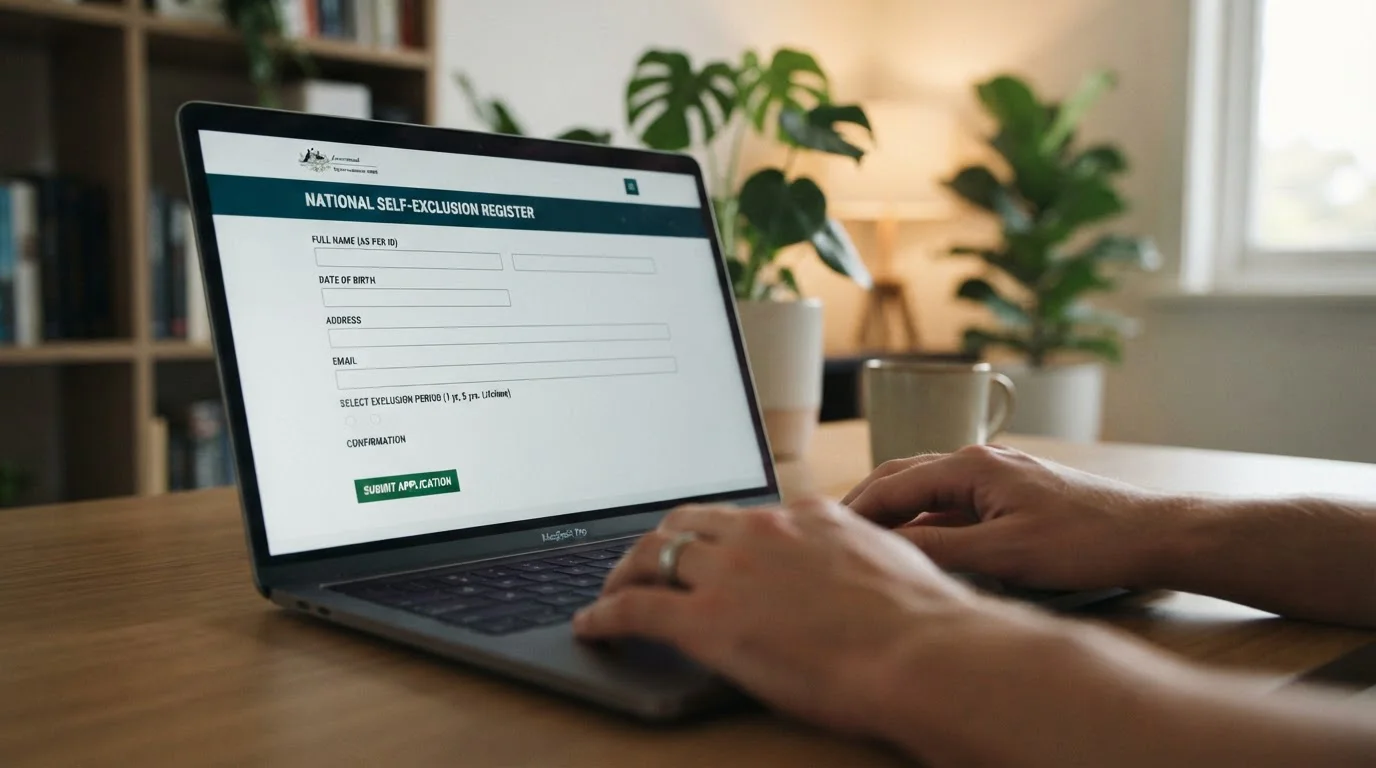
UKGC-licensed casinos integrate with GamStop, the free national self-exclusion scheme. You can choose an exclusion of 6 months, 1 year or 5 years, and registration can need up to 24 hours to become active. Once it’s active, you cannot deposit at any UKGC-licensed casino using any payment method—PayPal, Skrill, debit card, Paysafecard or otherwise—because the exclusion is checked at login, before the cashier ever opens. A voucher bought at Tesco simply stays unspent. That’s intentional: GamStop is designed as a total barrier, not a partial one.
All UKGC casinos must offer deposit limits, time-outs and reality checks. Deposit limits let you cap daily, weekly or monthly spending; lowering a limit takes effect immediately, while raising one only applies after a cooling-off period (usually 24 hours). Reality checks pop up reminders at intervals you set, showing how long you’ve played and what you’ve spent. Many sites also offer optional session timers that log you out after a set duration. These tools were patchier and far less prominent when ClickandBuy operated.
Payment method choice affects how much control you have. Paysafecard’s prepaid model enforces a hard ceiling—a £50 voucher is £50 and no more. E-wallets like PayPal, Skrill and Neteller let you preload a specific amount, creating a buffer between your main bank account and casino deposits. Debit cards linked directly to your current account offer less separation, but most UK banks and app-based accounts now offer gambling blocks that stop any gambling transaction on the card from going through.
If you’re concerned about gambling harm, combine several controls. Set deposit limits at the casino, preload a fixed amount into Skrill or PayPal rather than paying straight from your main account, switch on your bank’s gambling block, and use GamStop if you need a total break. Free, confidential support is available from GamCare and the National Gambling Helpline on 0808 8020 133, 24 hours a day. The payment methods that replaced ClickandBuy all work alongside these tools, which is one more way the modern options improve on what ClickandBuy offered.
Casino Deposit Methods UK 2026 — Compare Payment Options
Content created by the «Bankrol Bridge» team