
Wirecard Casinos UK 2026: The Collapse Explained and Your Best Alternatives
 Available in GB

Wirecard doesn’t work anymore. No UKGC-licensed casino accepts it, no offshore operator processes through it, and the company itself collapsed in 2020. If you’ve landed here expecting a list of sites that take Wirecard deposits, the short answer is: none do, because the payment method is gone.
Here’s the full story—what Wirecard was, why it collapsed, and which payment options UK players actually use at online casinos in 2026. Debit cards, e-wallets and open banking have filled the gap Wirecard left behind. You’ll also find offshore sites pitching credit cards and cryptocurrency to UK players; they’re covered too, along with why they’re a bad trade. The landscape shifted dramatically between April and November 2020, and understanding that shift helps if you’re funding a casino account today.
The Short Answer: Wirecard No Longer Operates
Wirecard is defunct. The German payment processor filed for insolvency on 25 June 2020 after admitting that €1.9 billion in cash was missing from its accounts. The UK arm began winding down its regulated business in August 2020, and by November the main business had been sold off in pieces. No casino—licensed or offshore—accepts Wirecard deposits in 2026 because the infrastructure no longer exists.
Plenty of players still remember the brand, and the name survives in outdated casino listings. Wirecard was a working option for casino deposits until early 2020, which is why older pages still mention it. Those pages simply haven’t been updated since the processor they’re promoting went bust in 2020.
Is Wirecard still available for UK casino deposits in 2026?
No. Wirecard’s UK subsidiary began winding down in August 2020, and the parent company’s core business was sold off by November 2020. Neither UKGC-licensed casinos nor offshore operators process payments through Wirecard, because the company no longer exists as a functioning business. Debit cards, PayPal, Skrill, Neteller and open banking now fill the gap.

What Happened to Wirecard: The 2020 Collapse
Wirecard was once Germany’s fintech darling. Founded in 1999, the company processed payments for online gambling and adult content before rising into the DAX index—Germany’s equivalent of the FTSE 100. By 2020 it held a banking licence and had won the backing of senior German politicians. Then the façade cracked.
The Scandal and Insolvency (June 2020)
On 18 June 2020, Wirecard announced that €1.9 billion in cash it claimed to hold in Asian trust accounts could not be found. Days later it admitted the money most likely never existed. On 25 June, Wirecard filed for insolvency. CEO Markus Braun was arrested. COO Jan Marsalek fled; an international manhunt followed.
The collapse was immediate. Wirecard owed around €3.2 billion and had no liquidity to meet its obligations. What had been billed as Europe’s answer to PayPal turned out to be one of the largest accounting frauds in post-war German history. Investigations revealed years of inflated revenues, fabricated partnerships and auditing failures that allowed the scheme to persist.
Impact on UK Casino Players
The Financial Conduct Authority moved quickly. On 26 June 2020—one day after Wirecard AG filed for insolvency—the FCA imposed restrictions on Wirecard Card Solutions Ltd, the UK subsidiary. Customers of prepaid cards and fintech apps that relied on it, including Curve, Pockit and Anna Money, suddenly lost access to their funds. Casino players who had deposited via Wirecard-linked accounts found transactions frozen.
The freeze lasted four days. On 30 June 2020, the FCA lifted the restrictions after Wirecard UK met certain conditions, and customers regained access. The reprieve was brief. In late August 2020, Wirecard UK announced it was winding down its FCA-regulated business. Operations continued in a limited way while card providers migrated to other processors, but for practical purposes Wirecard was finished as a casino payment route by late summer 2020.
The Wind-Down (August–November 2020)
By November 2020, Wirecard AG had been broken up. Santander acquired the assets of the core European business unit for roughly €100 million—a fraction of the company’s value a few months earlier. Casinos that had relied on Wirecard for deposit and withdrawal processing moved to alternatives: Trustly for open banking, Paysafe for wallets and prepaid products, and direct bank integrations for Faster Payments.
The timing is notable. Wirecard’s collapse came just two months after another seismic shift in UK online gambling: the credit card ban of 14 April 2020, which barred UKGC-licensed operators from accepting credit card deposits. The disappearance of Wirecard and the end of credit card gambling compressed years of payment-sector change into a few months, and UK players who had relied on either option needed alternatives fast.
Lessons From Wirecard for Casino Players
The four-day freeze in June 2020 is the part worth remembering. Customers of Wirecard-backed cards regained access once the restrictions lifted, but for those days they couldn’t touch their money—and nothing a casino did could change that. Any balance held by a third party carries that kind of exposure, whether it sits in an e-wallet, on a prepaid card or in your casino account.
A few habits keep the risk small. Withdraw winnings to your bank rather than leaving them parked in a casino or wallet balance for weeks. Check the funds-protection rating every UKGC casino must publish, because it tells you what happens to your balance if the operator fails. Make sure any e-wallet or prepaid card you use is authorised by the FCA, which you can confirm on the FCA’s Financial Services Register. And keep more than one verified payment route on your casino account, so that if one provider has an outage you can still withdraw through another.
What happened to Wirecard and when did it stop operating?
Wirecard announced €1.9 billion in missing cash on 18 June 2020 and filed for insolvency on 25 June 2020. Its UK arm began winding down in August 2020 after a brief FCA freeze. By November 2020, Wirecard AG had been broken up, with its core European assets sold to Santander for around €100 million.
Payment Methods That Replaced Wirecard at UK Casinos
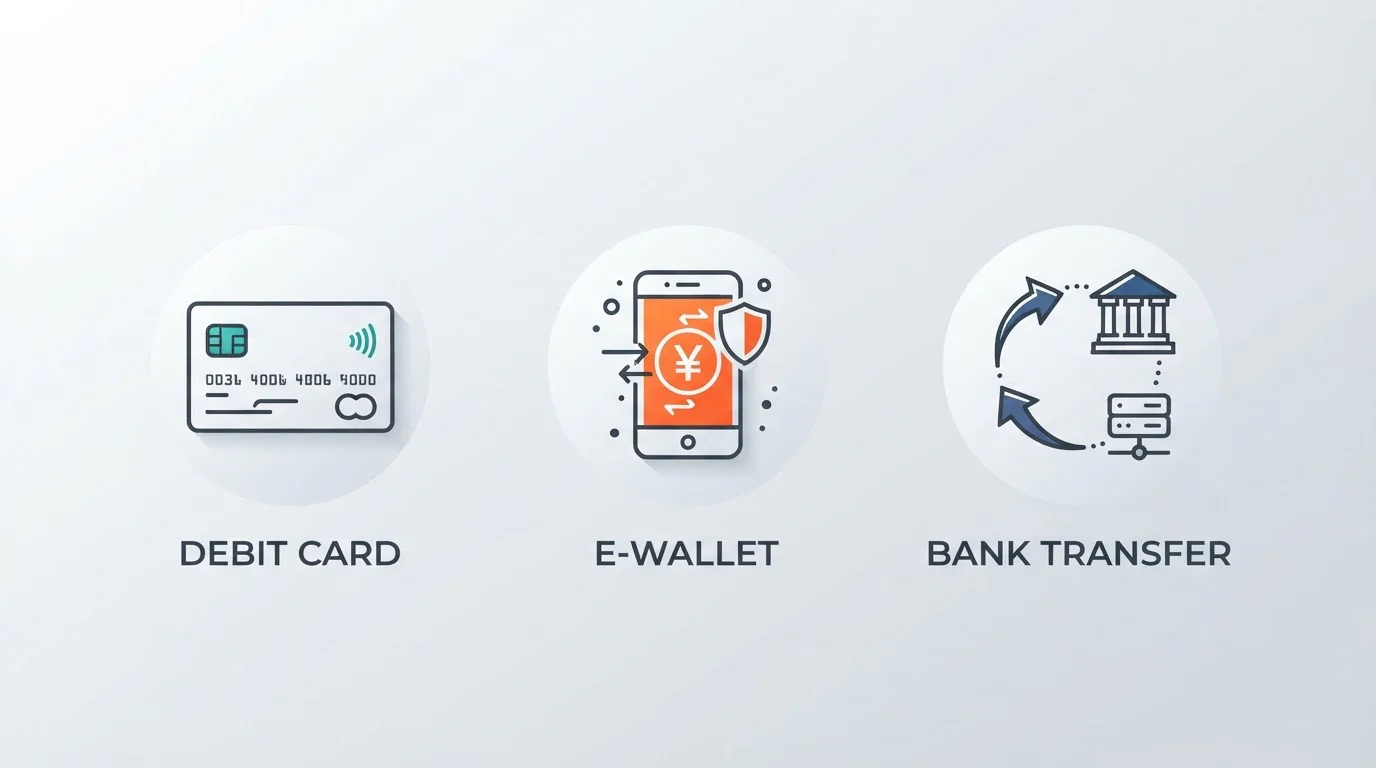
Wirecard offered instant deposits, e-money functionality and a layer between your bank account and the casino. Five payment methods now do that job at UKGC-licensed casinos in 2026. Debit cards are universal. E-wallets add a separate gambling balance. Open banking delivers speed. The right choice depends on whether you prioritise acceptance, withdrawal time or keeping a firm boundary around your gambling money. Here’s how they compare:
| Method | Deposit Speed | Withdrawal Time | Fees at UKGC Casinos | Min Deposit | Bonus Eligible | Best For |
|---|---|---|---|---|---|---|
| Debit Cards (Visa/Mastercard) | Instant | 1–3 days | None | £10 | Yes | Universal acceptance |
| PayPal | Instant | 15 min–24 hours | None | £5–£10 | Yes (usually) | Speed and trust |
| Skrill | Instant | 24–48 hours | None (1% wallet-to-bank fee) | £10 | Often excluded | A separate gambling wallet |
| Neteller | Instant | ~24 hours | None (small wallet-to-bank fees) | £10 | Often excluded | Net+ prepaid card |
| Open Banking | Instant | 15 minutes–a few hours | None | £10 | Yes | Fastest withdrawals |
Visa and Mastercard Debit Cards
Every UKGC-licensed casino in 2026 accepts Visa Debit and Mastercard Debit. Maestro, Mastercard’s older debit brand, was phased out in the UK by July 2023 and replaced by Mastercard Debit. If you hold a UK bank account, you already own a compatible card.
Deposits clear instantly—funds appear in your casino account the moment you confirm the transaction in your bank’s app or with a one-time code. Strong customer authentication (3D Secure) is standard on UK card payments, adding a two-factor layer that makes card fraud much harder. Withdrawals take longer: one to three working days is standard, though some operators support Visa Fast Funds, which can deliver a payout in hours. Minimum deposits typically start at £10; maximums vary by operator, and the affordability checks the UKGC requires can lower the ceiling for individual players.
UKGC-licensed casinos charge no fees for debit card deposits or withdrawals; they absorb the processing costs. Debit cards also qualify for welcome bonuses at every UKGC casino, which isn’t true of every e-wallet.
The functional parallel to Wirecard is direct: both drew on money in your bank account, both cleared deposits instantly, and neither required a separate wallet balance from the player’s side. Wirecard was technically an e-money issuer and processor rather than a card network, but for most users the experience felt much the same. Debit cards replaced it not through innovation but through ubiquity—every player already had one.
Credit cards, by contrast, have been banned at UKGC-licensed casinos since 14 April 2020. The Gambling Commission found that 22% of online gamblers who used credit cards were problem gamblers, and concluded that letting players gamble with borrowed money posed an unacceptable risk. Credit cards, and e-wallets funded by them, are off the table at licensed sites. Debit only.
PayPal
Around 40 UKGC-licensed casinos accept PayPal in 2026. That’s selective rather than universal, but the list includes household names: Grosvenor, LeoVegas, 888casino, Betway and Sky Casino. If PayPal is non-negotiable for you, the pool is smaller but still substantial.
Deposits are instant. Withdrawals range from 15 minutes to 24 hours depending on the operator’s internal approval process—Grosvenor’s PayPal payouts, for example, typically arrive within a few hours. That’s faster than any debit card but usually slower than open banking. Minimum deposits sit at £5 to £10, and maximums are set by each operator.
Neither PayPal nor the casino charges fees for UK gambling transactions. PayPal levies no fee when a UK personal account pays a merchant, and UKGC-licensed operators absorb processing costs. There’s one regulatory wrinkle: your PayPal account must be funded by a debit card or bank account, not a credit card. PayPal enforces this automatically for UK gambling, so you can’t route around the credit card ban through an e-wallet.
PayPal’s strength is trust. Almost every UK adult recognises the brand, and it keeps your card details out of the casino’s database. That matters less than it once did—card-security standards for merchants have tightened substantially—but the comfort is real, and unlinking PayPal is a quick way to cut off a casino’s access to your money.
The trade-off is operator support. PayPal’s merchant fees are higher than direct card processing, and its vetting of gambling merchants is strict, so some large casinos don’t offer it. If your preferred site doesn’t list PayPal in the cashier, you’ll need a different operator or a different method.
Skrill
Skrill has been processing gambling payments since 2001, when it was called Moneybookers. It’s owned by Paysafe Group alongside Neteller, and the two e-wallets are the main gambling-focused wallets in the UK market. Over 60 UKGC-licensed casinos accept Skrill in 2026, making it one of the most widely supported payment methods after debit cards.
Deposits are instant. Withdrawals take 24 to 48 hours, with the transfer to your Skrill balance happening instantly once the casino approves the payout. Moving money from Skrill to your UK bank account costs 1%, capped at a fixed amount. Minimum deposits typically start at £10, and maximums depend on the casino and your account standing.
Casinos charge no fees for Skrill deposits or withdrawals; only the wallet-to-bank leg costs anything. The catch is bonus eligibility: many UKGC-licensed operators exclude Skrill deposits from welcome offers. The policy isn’t regulatory—it’s a legacy anti-abuse measure dating from the years when bonus hunters cycled funds through e-wallets across multiple casinos. Always check the terms before depositing with Skrill if a bonus matters to you.
Skrill blocks credit-card-funded gambling for UK customers automatically. You can still load your wallet with a credit card for general online shopping, but those funds can’t be used at a casino.
The real benefit is a separate pot. Your bank statement shows transfers to and from Skrill rather than a list of casinos, and keeping gambling money in its own wallet makes it easier to see exactly what you’ve put in and taken out. Skrill also offers a prepaid Mastercard, so winnings can be spent or withdrawn at a cash machine without a bank transfer.
Neteller
Neteller is Skrill’s older sibling under the Paysafe umbrella. Founded in 1999, it predates Skrill by two years and became the default e-wallet for online poker during the mid-2000s boom. US prosecutors charged its founders in 2007 over the processing of US gambling payments; the company left the American market and reached a settlement with the US authorities. It remains a major force in UK and European gambling.
Coverage mirrors Skrill’s: over 60 UKGC-licensed casinos accept Neteller in 2026. Deposits are instant, and withdrawals clear in roughly 24 hours after casino approval. Minimum deposits start at £10. Neteller charges small fees for moving money out of the wallet, varying by method (bank transfer, card load or Net+ prepaid Mastercard), but casinos charge nothing for Neteller deposits or withdrawals.
Like Skrill, Neteller is often excluded from welcome bonuses at UKGC-licensed sites, for the same historical reasons, and it blocks credit-card-funded gambling deposits for UK players.
The Net+ prepaid Mastercard is Neteller’s best-known extra. You load winnings onto the card directly from your wallet, then withdraw cash at a cash machine or spend anywhere Mastercard is accepted. It’s quicker than a bank transfer, though ATM and currency-conversion fees apply.
For most UK players, Neteller and Skrill are interchangeable. Both are Paysafe products, both are accepted at the same casinos, and both clear withdrawals in about a day. The choice comes down to which account you already have, or whether you prefer the Net+ card to Skrill’s prepaid card.
Open Banking and Pay by Bank
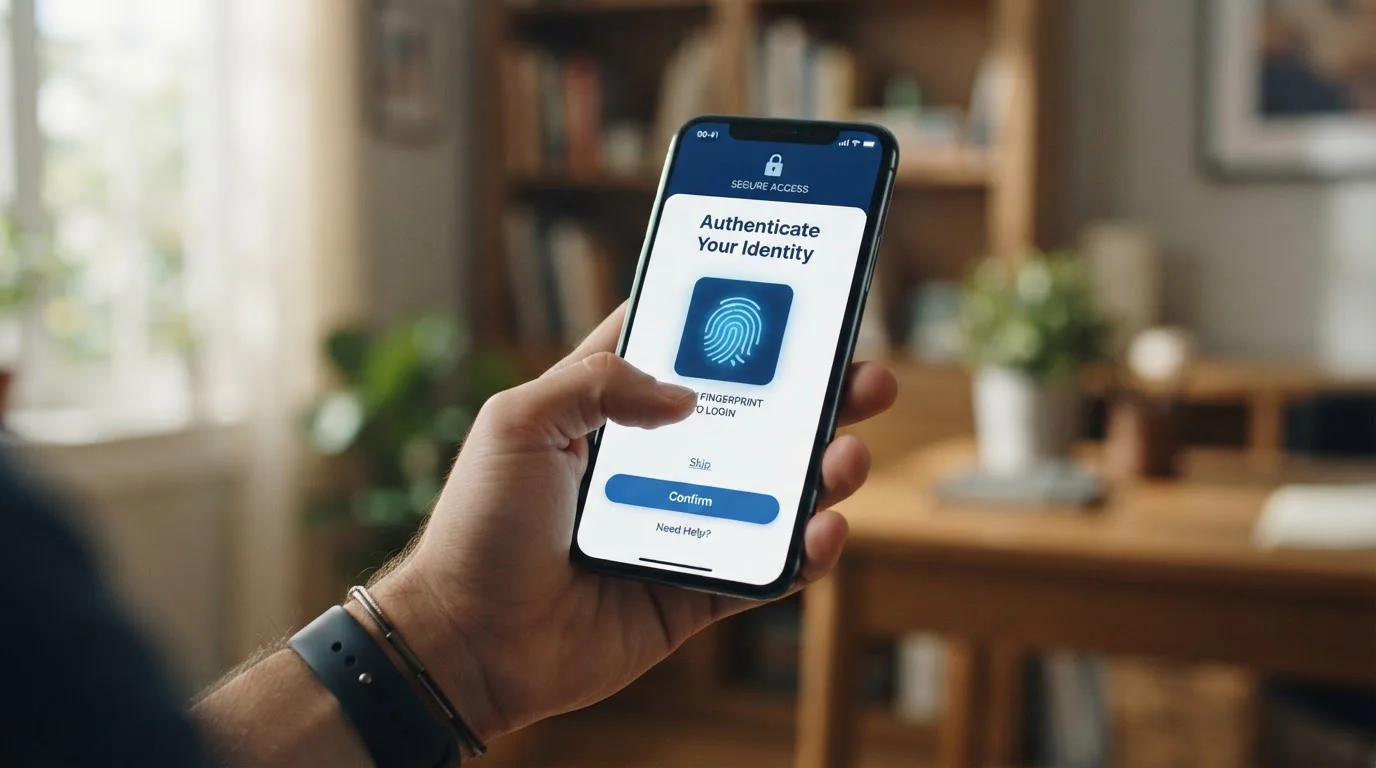
Open banking is the youngest payment method here and the fastest. It’s a direct bank-to-bank transfer initiated through your own banking app, with no card numbers or intermediary wallet involved. You authorise the payment with biometrics or a one-time code, and the funds move instantly over Faster Payments. For deposits, it’s as quick as a debit card. For withdrawals, it’s the quickest route available at UKGC casinos—around 15 minutes is typical once the casino approves the payout.
The technology rests on the UK’s Open Banking framework, introduced in 2018 under the PSD2 rules. Payment initiation service providers such as Trustly, TrueLayer and Nuapay act as intermediaries; they’re authorised by the FCA to initiate payments on your behalf. The casino never sees your banking login, card details or CVV. The provider requests authorisation, your bank app confirms it, and the payment clears.
Coverage has grown rapidly. bet365, William Hill, Betway, LeoVegas, Grosvenor, Casumo, Mr Green and Unibet all support open banking via Trustly or TrueLayer in 2026. Deposit minimums typically start at £10, and maximums depend on your bank’s own daily limits as well as the operator. UKGC-licensed casinos charge no fees for open banking deposits or withdrawals.
Withdrawals via open banking usually use Faster Payments and settle in under an hour. Some older casino systems still route payouts through BACS, which takes three banking days, but that’s increasingly rare. The dual oversight—the UKGC licenses the casino, the FCA regulates the payment provider—gives open banking a sound footing.
Open banking is the closest modern successor to what Wirecard offered: instant payments and a direct bank link without typing in card details. The difference is that it skips the e-money layer entirely, so there’s no third-party balance sitting with a processor—exactly the exposure that caught out customers of Wirecard-backed cards in June 2020.
Which payment methods can I use instead of Wirecard at UK online casinos?
At UKGC-licensed casinos: Visa and Mastercard debit cards (universal), PayPal (~40 operators), Skrill (60+ operators), Neteller (60+ operators), and open banking via Trustly or TrueLayer (growing coverage at major sites). All clear deposits instantly; withdrawals range from about 15 minutes (open banking) to 1–3 days (debit cards).
Which payment method offers the fastest withdrawals at UK casinos in 2026?
Open banking delivers the fastest withdrawals at UK casinos in 2026, typically clearing in 15 minutes to a few hours via Faster Payments. PayPal is second (15 minutes to 24 hours), followed by Skrill and Neteller (24–48 hours). Debit cards are slowest at 1–3 working days, unless the casino supports Visa Fast Funds.
Are e-wallets like Skrill and Neteller safe for casino deposits?
Yes. Skrill and Neteller are FCA-authorised e-money institutions owned by Paysafe Group. They follow UK anti-money-laundering rules and must safeguard customer funds separately from their own money. Both have handled gambling payments for over two decades. The main drawback is bonus exclusions—many UKGC casinos don’t count e-wallet deposits towards welcome offers.
How does open banking work at UK online casinos?
You pick open banking in the cashier, choose your bank, then authorise the payment in your banking app with biometrics or a one-time code. The casino never sees your login details or card numbers. Deposits clear instantly via Faster Payments; withdrawals return in 15 minutes to a few hours once approved.
UKGC-Licensed vs Offshore Casinos: Payment Landscape in 2026
Search for Wirecard alternatives and you’ll meet offshore sites—usually showing a Curaçao or Anjouan licence—that offer UK players credit card and cryptocurrency deposits. Any operator serving people in Great Britain needs a UKGC licence. That includes operators licensed in Malta or Gibraltar; an MGA licence alone doesn’t cover GB customers. A site that takes British players without one is acting unlawfully, and it offers none of the UK’s protections.
| Feature | UKGC-Licensed Casinos | Offshore Sites Without a UKGC Licence |
|---|---|---|
| Legal Status in Great Britain | Licensed and regulated | Unlicensed for GB; the operator is acting unlawfully by serving UK customers |
| Accepted Payment Methods | Debit cards, PayPal, Skrill, Neteller, open banking | Often credit cards and cryptocurrency, alongside e-wallets |
| Credit Cards | Banned since 14 April 2020 | Frequently taken, despite the GB ban |
| Self-Exclusion | GamStop applies across every licensee | Not connected to GamStop |
| Bonus Wagering | Capped at 10x since 19 January 2026 | Often 40x or more |
| Slot Stake Limits | £5 per spin for 25+, £2 for 18–24 | None |
| Disputes | Approved ADR such as IBAS, plus UKGC enforcement | Operator’s own process; overseas regulators rarely intervene |
| Customer Funds | Protection level must be disclosed (not protected, medium or high); no compensation scheme | No UK disclosure |
What You Get at UKGC-Licensed Casinos
UKGC-licensed casinos operate under some of the strictest gambling regulation in Europe. The Gambling Act 2005 and the Licence Conditions and Codes of Practice set binding rules on how operators treat customers, verify identity and affordability, handle funds, design games and advertise. If you deposit at a UK-licensed casino in 2026, the operator must tell you how well your balance is protected if it goes bust—not protected, medium or high. The UKGC doesn’t require segregation and runs no compensation scheme, so check that rating before leaving large sums in an account.
GamStop is mandatory. Every UKGC licensee must honour the national self-exclusion scheme, which blocks access across all licensed operators for six months, one year or five years. Affordability checks are required once deposits or losses reach certain thresholds. Disputes that can’t be settled with the operator go to an approved Alternative Dispute Resolution service such as IBAS, and the UKGC can take enforcement action against operators that break licence conditions.
Payment methods are limited by design. Credit cards have been banned since 14 April 2020, and no UKGC-licensed casino offers cryptocurrency deposits. The usual list is debit cards, e-wallets (PayPal, Skrill, Neteller), open banking and, at some sites, pay-by-mobile services such as Boku. The restriction is deliberate: borrowed money and untraceable payments are treated as risks that outweigh convenience.
Bonuses are capped. Most UKGC casinos offer 100% deposit matches up to £100 or £200, and since 19 January 2026 wagering requirements cannot exceed 10x. The days of 500% matches and stacks of free spins are gone, ended by stricter advertising and affordability rules. Stake limits are fixed: no more than £5 per spin on online slots for players aged 25 and over since April 2025, and £2 for 18–24-year-olds since May 2025, to limit losses during long sessions.
Withdrawal times have improved too. The internal pending period—the time a casino holds a withdrawal for review—has shrunk under UKGC pressure, though it still varies by operator. Expect 24 to 48 hours on a first withdrawal while checks run, then faster approvals on later cashouts.
Why Offshore Credit Card and Crypto Deposits Are a Poor Trade
Offshore sites market credit card deposits to UK players as a feature. In reality it means gambling with borrowed money on a site with no UK oversight. Card issuers also treat gambling on a credit card as a cash advance, which typically means a fee of 3% to 5% and interest from day one, and foreign-currency processing can add more. Many UK banks decline these payments anyway, because the merchants are unlicensed for Great Britain.
Getting money back is harder still. Card network rules stop winnings returning to a credit card, so payouts come by bank wire, e-wallet or cryptocurrency, and bank wires from offshore operators can take three to seven working days and attract receiving fees.
Cryptocurrency follows the same pattern. No UKGC-licensed casino accepts it, and offshore sites use it partly because it sidesteps the banking controls that would otherwise block unlicensed gambling payments. Prices can move sharply between deposit and withdrawal, so a win can shrink in pound terms before it reaches you. Crypto transactions are also irreversible: if a site refuses to pay, there’s no chargeback.
Tax adds a wrinkle. Gambling winnings are tax-free in the UK, but cryptocurrency isn’t. If you bought Bitcoin at £30,000 and it had risen to £40,000 when you spent it at a casino, HMRC treats that as a disposal, with Capital Gains Tax due on the £10,000 gain above the £3,000 annual exempt amount—at 18% within the basic-rate band or 24% above it.
UK law targets the operator rather than the player: a site serving GB customers without a UKGC licence is committing the offence. That’s little comfort if something goes wrong. With no UKGC licence there’s no IBAS, no enforcement, no funds-protection disclosure and no GamStop. If an offshore site refuses a withdrawal or closes, your options are public complaints and, for card deposits only, a chargeback that usually ends the account.
The Trade-Offs: Protection vs Restriction
UKGC-licensed casinos are regulated and predictable. The price is a shorter list of payment methods, smaller bonuses, stake limits and affordability checks that can feel intrusive. In return, your funds-protection level is disclosed, your disputes can be adjudicated independently, and the tools that help you stay in control actually work.
The regulatory timeline matters. The April 2020 credit card ban and the June 2020 Wirecard collapse compressed what might have been a gradual evolution into a few months. Most players moved to UKGC-licensed casinos using debit cards, e-wallets and, later, open banking, and those methods are now faster and better protected than anything Wirecard offered.
What’s the difference between UKGC-licensed casinos and offshore casinos for payment options?
UKGC-licensed casinos accept debit cards, e-wallets (PayPal, Skrill, Neteller) and open banking, with a disclosed funds-protection level, GamStop coverage and IBAS for disputes. Offshore sites without a UKGC licence often push credit cards and cryptocurrency, but they’re unlicensed for Great Britain and offer none of those protections if anything goes wrong.
Can I still use credit cards at online casinos in the UK?
No. Credit cards have been banned for gambling at UKGC-licensed casinos since 14 April 2020, including e-wallets funded by a credit card. Sites that still take credit cards from UK players are unlicensed for Great Britain, typically charge cash-advance fees, and leave you gambling with borrowed money and no UK protection.
Is it legal for UK players to use offshore casinos that accept credit cards or cryptocurrency?
UK law places the offence on the operator: a site serving British customers without a UKGC licence is acting unlawfully. Players aren’t prosecuted, but they get none of the UK’s protections—no GamStop, no IBAS, no Gambling Commission enforcement and no funds-protection disclosure—so a refused withdrawal can be very hard to recover.

How to Choose Your Wirecard Alternative: Practical Decision Guide
The right payment method depends on what mattered to you about Wirecard. If it was speed, open banking is the direct successor—instant deposits, withdrawals in minutes. If it was universal acceptance, debit cards work everywhere. If you want a separate pot for gambling money, Skrill and Neteller provide one. If what you really want is a firm cap on spending, prepaid and preloaded options do that best.
If You Want Speed: Open Banking and PayPal
Open banking is the fastest option at UKGC-licensed casinos in 2026. Deposits clear instantly via Faster Payments, and withdrawals return in 15 minutes to a few hours once the casino approves the payout. Not every operator supports it yet, but bet365, William Hill, Betway, Casumo and other big names already do.
PayPal is second for speed, with withdrawals clearing in 15 minutes to 24 hours depending on the operator. The limitation is coverage—about 40 UKGC-licensed casinos accept PayPal. If your preferred site doesn’t list it, you’re choosing between switching operators and picking a different method.
If You Want Universal Acceptance: Debit Cards
Every UKGC-licensed casino accepts Visa Debit and Mastercard Debit. If you’re opening accounts at several operators, or you simply want certainty that your payment method will work wherever you land, debit cards are the safe choice. Deposits are instant, withdrawals take one to three working days (Fast Funds cuts this to hours at some sites), and there’s no extra login or wallet to manage.
The trade-off is withdrawal speed: debit cards are the slowest option at UKGC casinos. If you’re happy to accept that delay in exchange for a method that works at every licensed operator, debit is the default. Most UK banks also let you switch on a gambling block for the card in their app, which is worth knowing about even if you never need it.
If You Want a Separate Gambling Wallet: Skrill and Neteller
Skrill and Neteller put your gambling money in its own wallet. Deposits show on your bank statement as transfers to the e-wallet, and withdrawals as transfers back. The real value is visibility: one balance, one transaction history, and a clear picture of what you’ve put in versus taken out.
Both are accepted at over 60 UKGC-licensed casinos. Both clear deposits instantly and withdrawals in 24 to 48 hours. The 1% fee for cashing out to your bank is the cost of that separation, and both offer prepaid Mastercards for spending winnings directly.
The bonus exclusion is real. Many UKGC operators don’t count Skrill or Neteller deposits towards welcome offers. If you’re after a bonus, check the terms first. If you’re not, an e-wallet is a tidy way to ring-fence gambling money from your main account.
If You Want Firm Spending Control: Limits and Preloaded Funds
Some players valued Wirecard-backed prepaid cards precisely because they could only spend what they’d loaded. You can recreate that discipline at UKGC casinos. Set a deposit limit during sign-up—every licensed casino must offer daily, weekly and monthly limits, and lowering one takes effect immediately. Preload a fixed amount into Skrill or Neteller each month and treat that balance as the whole budget. Or use Paysafecard vouchers, bought with cash, where a £20 voucher is exactly £20 and no more.
Add your bank’s gambling block if you want a hard stop that sits outside the casino entirely. Many UK banks and app-based accounts let you turn it on in seconds, and most build in a delay before it can be switched off again. Combined with the casino’s own reality checks and time-outs, these tools give you more control than Wirecard-era payments ever did.
Do I have to pay fees when depositing or withdrawing at UKGC-licensed casinos?
No. UKGC-licensed casinos do not charge fees for deposits or withdrawals via debit cards, PayPal, Skrill, Neteller or open banking; the operators absorb processing costs. Skrill and Neteller do charge when you move money from the e-wallet to your UK bank account (around 1% at Skrill), but the casino-to-wallet leg is free.
Deposit and Withdrawal: What to Expect in 2026
Deposits at UKGC-licensed casinos are instant across all payment methods: debit cards, PayPal, Skrill, Neteller and open banking. Before your first deposit, the casino must confirm your age and identity—a rule in force since May 2019. Most do this electronically at sign-up in seconds, and only ask for a photo ID or proof of address if the automatic check can’t verify you.
Withdrawals are where timing diverges. Open banking clears in 15 minutes to a few hours via Faster Payments. PayPal takes 15 minutes to 24 hours. Skrill and Neteller take 24 to 48 hours. Debit cards take one to three working days, though Visa Fast Funds can cut this to hours where supported. The first withdrawal from any casino takes longer—24 to 48 hours is common while extra checks run—and later withdrawals from the same operator clear faster.
Minimum deposits at UKGC-licensed casinos typically start at £5 to £10. Maximums vary by operator and method, and affordability checks can lower the ceiling for individual players. UKGC operators also run source-of-funds checks once deposits reach certain levels; expect to provide bank statements or payslips showing you can afford the level you’re playing at. Having those ready avoids a frozen withdrawal later.
A few habits make the process smoother. Withdraw to the same method you deposited with wherever possible, because switching methods often triggers extra checks. Keep your name, address and date of birth identical across your bank, e-wallet and casino account. And if a withdrawal is pending longer than the casino’s stated window, use its complaints process in writing—if that fails, a UKGC-licensed operator must refer you to its ADR provider.
Responsible Gambling and Payment Method Safety
Payment methods matter for safer gambling. Debit cards draw directly on your bank account, so you can only deposit money you already have. Credit cards let people gamble with borrowed money, which is why the UKGC banned them in 2020 after finding that 22% of online gamblers using credit cards were problem gamblers.
E-wallets add a friction layer. Loading funds into Skrill or Neteller before depositing creates a moment of separation between deciding to gamble and having money in the casino account. That pause can prompt reflection. It isn’t foolproof, but it beats instant access via saved card details.
Open banking is fastest, which cuts both ways. Instant deposits mean less time to reconsider, but quick withdrawals make it easier to bank a win straight away rather than leaving it in the account to be played through.
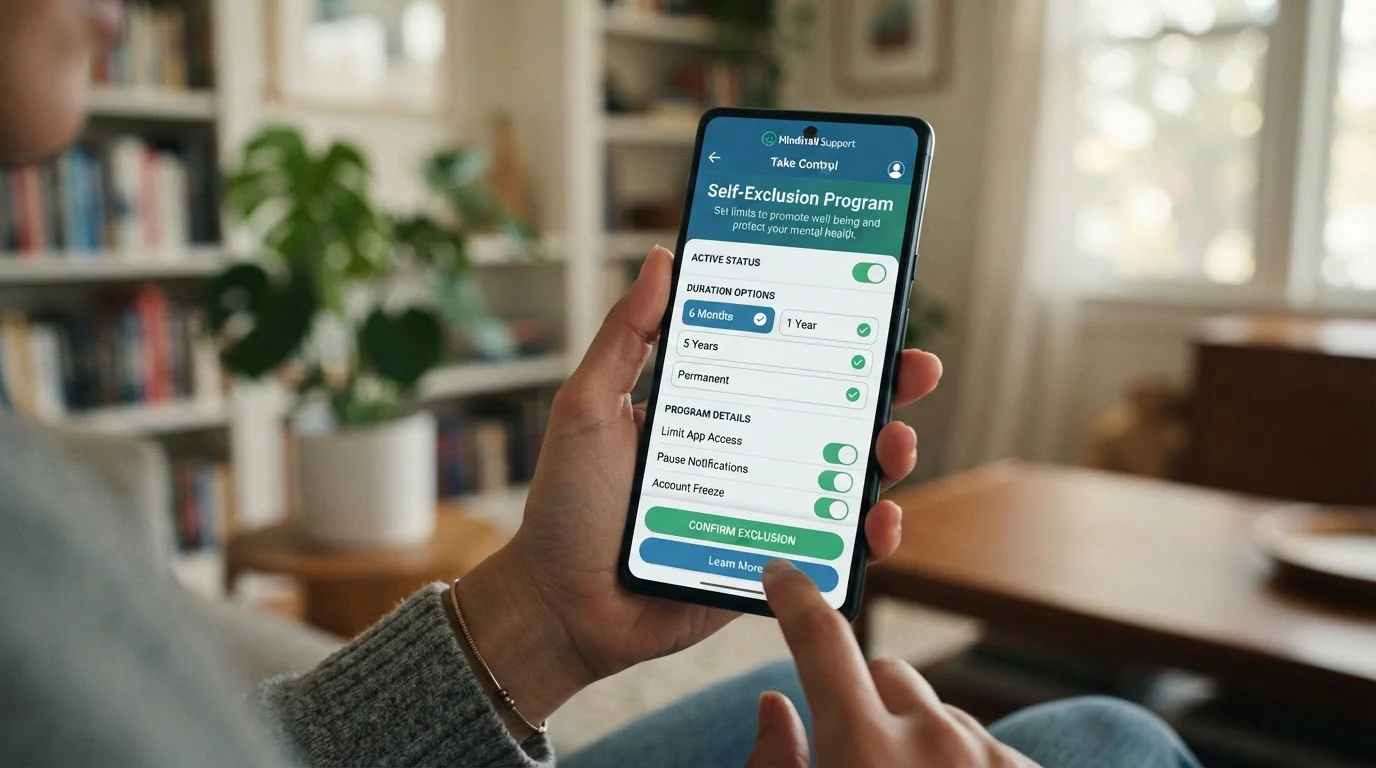
GamStop is the UK’s free national self-exclusion scheme. Register and every UKGC-licensed casino will block you for the period you choose—six months, one year or five years—with the exclusion taking effect within 24 hours. Unlicensed offshore sites aren’t connected to it, which is why pairing GamStop with your bank’s gambling block gives the most complete protection.
Deposit limits are built into every UKGC-licensed casino. You can set daily, weekly or monthly caps that the operator enforces automatically; a lower limit applies immediately, while an increase only takes effect after a cooling-off period, usually 24 hours. Time-outs and reality checks are also available, and they’re worth setting up before you need them.
If you’re struggling with gambling, free help is available. The National Gambling Helpline, run by GamCare, is on 0808 8020 133, 24 hours a day. Gambling Therapy offers online chat and forums, and BeGambleAware provides practical advice and self-assessment tools. UKGC-licensed operators must signpost these services on their sites.
Payment methods aren’t a substitute for self-awareness, but they’re not neutral either. Debit cards, e-wallets and open banking at UKGC-licensed casinos come with built-in protections: no borrowed money, affordability checks, GamStop coverage and a disclosed funds-protection level. That combination is the real replacement for Wirecard—and a better one.
Casino Deposit Methods UK 2026 — Compare Payment Options
Content created by the «Bankrol Bridge» team