
uPayCard UK Casinos 2026: Service Closed—Here's What Works Instead
 Available in GB

The short answer: none. uPayCard stopped operating in 2024, the upaycard.com domain no longer loads, and even if the service were alive, UK casino players couldn’t use it. That’s three blockers stacked on top of each other: the service closed, it never worked in GBP for gambling, and the UK Gambling Commission’s 2020 credit-card ban bars credit-funded payments, which leaves many licensed casinos unwilling to take prepaid cards at all.
If you’ve seen uPayCard listed as a casino payment option recently, that information is out of date. The brand passed to PAP OnPoint Services amid allegations of financial misconduct and regulatory failings, but the payment service casinos used is gone. Players who held balances in shekels, dollars or euros may still be able to reach them through the successor company, but the UK casino route closed long before the formal shutdown.
This guide explains why uPayCard collapsed, why UK players faced a triple barrier, and which e-wallets and prepaid methods actually work at UKGC-licensed casinos in 2026. It also covers what you’d be walking into at offshore sites that still take payment types British regulation has ruled out. No “maybe soon” optimism. Just the current map of what deposits and what doesn’t.
uPayCard Status: What Happened and Why It’s No Longer Available

UPC Consulting Ltd, the company behind uPayCard, ran a prepaid Mastercard linked to an e-wallet account. The product supported several currencies, including GBP, and casinos in various markets accepted it between roughly 2015 and 2023. Then it stopped.
No casino accepts uPayCard today. The shutdown has been linked to alleged financial misconduct and regulatory problems, though no detailed findings have been made public, so the reasons stay hedged. The practical outcome is not: upaycard.com is offline, the service doesn’t process new transactions, and the brand sits under PAP OnPoint Services with no sign of a casino-facing relaunch.
A second blocker predated the shutdown. Even while it operated, uPayCard didn’t allow UK customers to use it for casino deposits: the card was never enabled in GBP for gambling transactions, so there were never legitimate UK uPayCard casinos. It worked in GBP at shops and cash machines, but a deposit to a casino from a UK account would decline. Why that carve-out existed is unclear—possibly a compliance decision to steer clear of UK gambling regulation.
The third blocker is regulatory. Even if uPayCard came back tomorrow with full UK support, UKGC-licensed casinos would be wary of it. The Gambling Commission banned credit-card gambling on 14 April 2020, and the ban also covers credit-card payments routed through an intermediary such as an e-wallet. A prepaid Mastercard topped up from a credit card would breach that, and because operators can’t easily see how a prepaid balance was funded, many UKGC casinos simply refuse card-based prepaid products altogether.
Is uPayCard still available for UK online casinos in 2026?
No. The service shut down in 2024 after alleged financial misconduct, operations transferred to a successor entity with no casino functionality, and UK players were already blocked from using it for gambling even before the closure. Many UKGC-licensed casinos also refuse prepaid cards whose funding source they can’t check.
What happened to uPayCard and will it come back?
UPC Consulting ceased operations and the brand passed to PAP OnPoint Services. The closure has been linked to financial misconduct and regulatory issues, with little detail made public. No relaunch for casino deposits has been announced, and the UK’s rules on credit-funded gambling would make a return impractical even if the infrastructure were rebuilt.
Why UK Players Cannot Use uPayCard (Even if They Find Old References)
Old casino listings linger online for years. A 2022 list of “top uPayCard casinos,” complete with bonus codes and deposit instructions, doesn’t mean the method works—it means nobody updated the page.
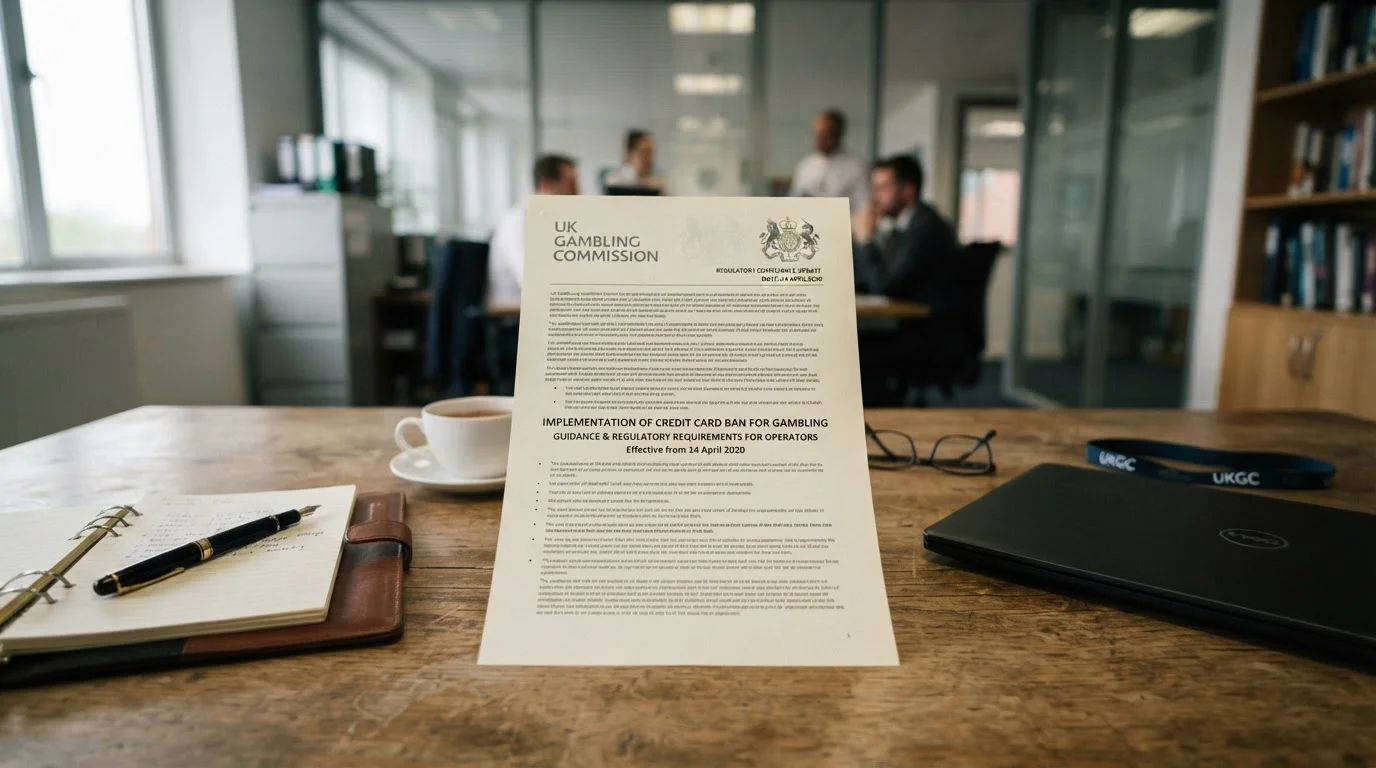
The UK’s credit-card ban is the regulatory anchor here. Announced on 14 January 2020 and in force since 14 April 2020, it remains fully in place in 2026. The Gambling Commission introduced it through its licence conditions to tackle harm from gambling with borrowed money. Credit cards were the obvious target, but the rule applies to all remote gambling and also covers credit-card funding that passes through e-wallets and other payment intermediaries.
That last point matters. A player who loads a Skrill account with a credit card and then deposits from Skrill to a UKGC casino is still gambling with borrowed money, and the ban blocks that chain. A prepaid card topped up from a credit card falls into the same trap. A prepaid card loaded with your own money isn’t credit, but operators choose which prepaid products they accept, and many decline card-based ones because they can’t verify the funding source or pay winnings back to the card.
Paysafecard works at many UKGC casinos because it is a voucher system—you buy a 16-digit PIN rather than holding a physical or virtual card. Card-based prepaid products are accepted at some operators and refused at others. uPayCard was card-based, and was never enabled for UK gambling in the first place.
The geographic block is the part that catches people out. You could hold a GBP balance in the uPayCard wallet, use the card at Tesco and take cash from a UK ATM, but a casino deposit would decline. Whether that was a business decision or a technical restriction on gambling merchant codes is unknown. The outcome is the same: UK players were locked out before the service collapsed.
Why can’t I use uPayCard at UK casinos anymore?
Three independent reasons: the service shut down in 2024, UK players were already blocked from casino deposits even when it operated, and UKGC rules bar credit-funded payments, which leads many licensed casinos to refuse prepaid cards whose funding they can’t check. All three barriers remain in place.
Can I use prepaid cards at UKGC-licensed casinos?
Voucher-based prepaid such as Paysafecard works widely. Card-based prepaid, meaning a Mastercard or Visa linked to a preloaded account, depends on the operator: it isn’t banned outright, but it must never be loaded from a credit card, and many casinos refuse it because they can’t confirm the funding source.
Best uPayCard Alternatives for UKGC-Licensed Casinos
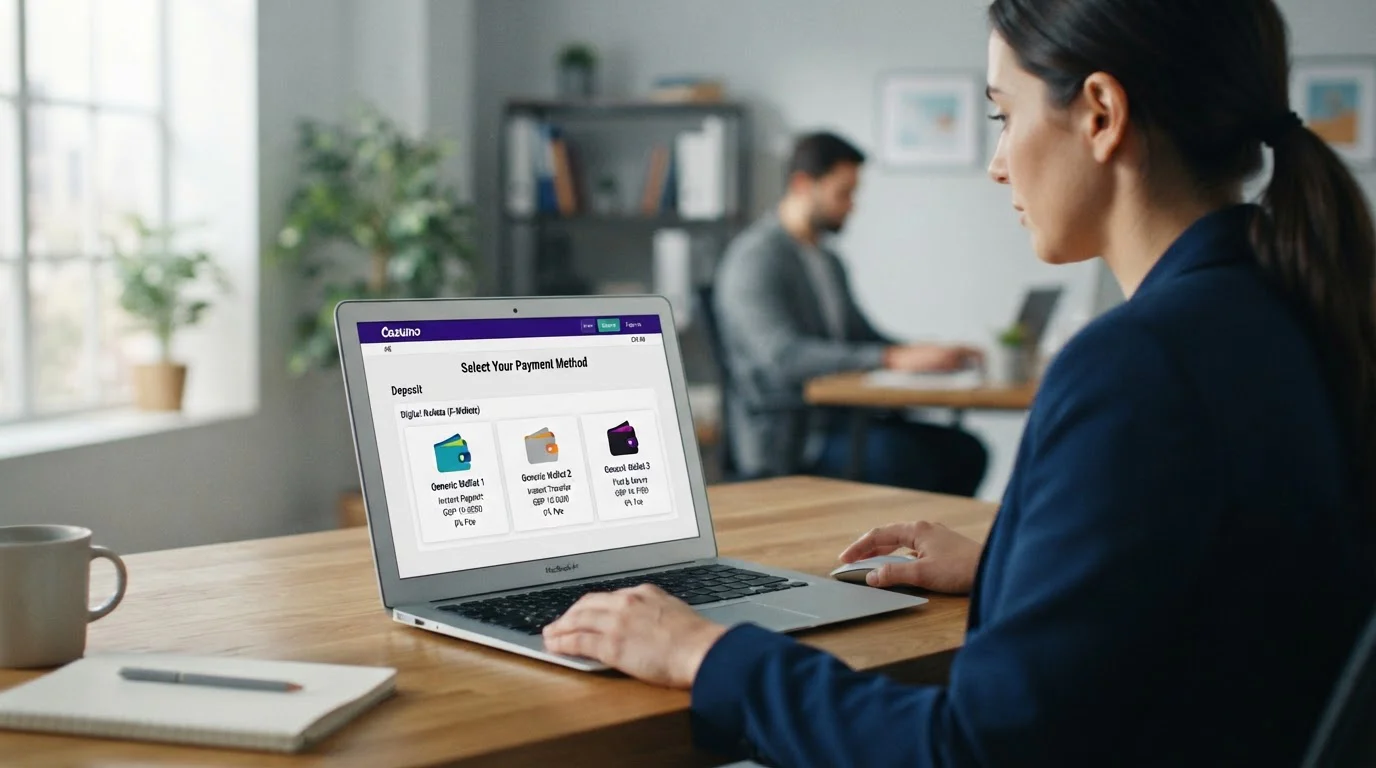
PayPal is the most widely accepted e-wallet at UKGC-licensed casinos, Skrill and Neteller are close behind, Paysafecard works at a good share of sites, and Apple Pay, Google Pay and Open Banking services such as Trustly keep gaining ground. Each solves a different piece of what uPayCard offered: instant deposits, not handing your bank details to the casino, no credit check, speed. None is a perfect replacement, because uPayCard combined a prepaid card, an e-wallet and multi-currency support in a way no single UK-legal method does. The closest match depends on which feature you valued most.
Here’s how the six main alternatives compare:
| Payment Method | Deposit Speed | Withdrawal Speed | Min Deposit | Fees at Casino | Closest to uPayCard Feature |
|---|---|---|---|---|---|
| PayPal | Instant | 24 hours typical | £5–£10 | None | Widest UKGC acceptance, trusted brand |
| Skrill | Instant | 24–48 hours | £10 | None | E-wallet balance; card details stay with Skrill |
| Neteller | Instant | 24–48 hours | £10 | None | Same as Skrill |
| Paysafecard | Instant | Deposit-only; payouts go elsewhere | £10 voucher min | None | Prepaid (no bank account needed) |
| Apple Pay / Google Pay | Instant | To debit card, 2–5 days | £5–£10 | None | Mobile convenience |
| Trustly | Instant | 24–72 hours | £5–£10 | None | No intermediate account (direct bank) |
If you valued uPayCard because it didn’t need a bank account, Paysafecard is the obvious place to look. If you liked keeping your card and bank details away from casinos, Skrill, Neteller and PayPal all do that. For speed and trust, PayPal leads; for mobile convenience, Apple Pay or Google Pay; and Trustly suits anyone who wants to skip the e-wallet and approve payments in their banking app.
PayPal: Most Widely Accepted E-Wallet at UKGC Casinos
PayPal is the most trusted e-wallet in the UK market and the one operators tend to add first. Deposits land instantly, and most UKGC operators process PayPal withdrawals within 24 hours, often in 12 to 24 hours; casinos that prioritise e-wallet payouts, such as SpinYoo, can turn them round in under an hour once your account is verified.
PayPal is FCA-regulated, casinos charge nothing for PayPal deposits or withdrawals, and minimum deposits typically run from £5 to £10. Your PayPal account must be in your own name, matching your casino account. Your bank or card details never reach the casino; the operator sees “PayPal” and an email address.
The standout advantage is bonus eligibility. PayPal deposits qualify for welcome offers at most UKGC casinos, while Skrill and Neteller are often excluded. If you want a deposit match or free spins, PayPal is the safest bet. Don’t count on PayPal’s buyer protection for gambling disputes, though: use the casino’s complaints process and, if needed, its approved dispute-resolution service.
If you’re replacing uPayCard and want the path of least resistance, PayPal is it.
Skrill: Fast E-Wallet for UK Players
Skrill Limited, part of the Paysafe Group, runs an FCA-regulated e-wallet. You fund the Skrill balance from your bank or debit card and pay the casino from Skrill, so the casino never sees your card or bank details.
Deposits are instant, withdrawals at most UKGC casinos take 24 to 48 hours, and £10 is the standard minimum. Casinos such as SpinYoo, Casushi, Mega Riches, Playzee and Hyper Casino typically process Skrill withdrawals the same day if you request them before mid-afternoon, with funds reaching the wallet within another 12 to 24 hours. Moving money from Skrill to your bank carries a Skrill fee, so check the current fee schedule before you rely on it.
Skrill also offers a prepaid Mastercard, loaded from your wallet balance and usable in shops or at cash machines. Casinos generally won’t accept it for deposits.
The downside is bonuses. Many UKGC casinos exclude Skrill and Neteller deposits from welcome offers because both wallets were historically used for bonus abuse: deposit, claim the bonus, withdraw, repeat elsewhere. Skrill itself does nothing wrong; its speed just makes that churn easy. If an offer says “Skrill deposits excluded,” believe it: the deposit goes through, but the bonus won’t attach.
Neteller: Skrill’s Sister Service with Similar Features
Neteller is functionally identical to Skrill because Paysafe Group owns both: same FCA regulation, similar fees for moving money to your bank, instant deposits and 24-to-48-hour casino payouts. If a UKGC casino accepts Skrill, it usually accepts Neteller, and if one is excluded from a welcome bonus, the other usually is too.
The practical differences are marginal. Neteller launched in 1999, several years before Skrill, and some long-time players stick with it out of habit. Its Net+ prepaid Mastercard works the same way as Skrill’s card. Minimums can differ by operator: DaznBet, for example, sets a £20 minimum for Neteller against £5 for Trustly, which makes it less attractive there for small deposits.
If you already have a Skrill account, there’s little reason to open a Neteller one unless a specific casino takes one but not the other, which is rare. If you’re starting fresh, pick whichever interface you prefer.
Paysafecard: Voucher-Based Prepaid (Closest to uPayCard’s Prepaid Angle)
Paysafecard, another Paysafe Group product, is the most widely accepted prepaid option at UKGC casinos. Despite the name, it isn’t a card. You buy a voucher online or in a shop (Tesco, WHSmith, PayPoint terminals), receive a 16-digit PIN and enter it at the cashier. Funds arrive instantly. No bank account, no debit card, no credit check.
The minimum voucher is £10. Unregistered vouchers are capped at £40 per transaction; registering a myPaysafecard account, which requires ID checks, raises that to £1,000. Withdrawals can’t go back to a spent voucher, so winnings leave by bank transfer, debit card or another e-wallet.
Operators treat Paysafecard differently. SpinYoo accepts voucher deposits from £1, lets them qualify for welcome bonuses and pays out by bank transfer. DaznBet sets a £5 minimum and £50 maximum per voucher and excludes Paysafecard deposits from welcome bonuses, but is unusual in paying winnings back to Paysafecard itself, through a myPaysafecard account. LuckyMate requires £10, excludes vouchers from bonuses and pays winnings to a Mastercard debit card.
Watch out for the maintenance fee. Once a voucher balance has sat unused beyond the grace period in Paysafecard’s terms, a £3 monthly fee starts coming off it. Buy a £20 voucher, deposit £10 and forget the other £10, and once the charges start it drops to £7, then £4, then £1, and is gone in the fourth month of fees. If you spend vouchers within a few weeks, the fee never bites.
Paysafecard is the closest thing to uPayCard’s prepaid use case, but the deposit-only limitation and the dormancy fee make it a partial replacement, not a full one.
Do I need a bank account to deposit at UK online casinos?
Not if you use Paysafecard, which is voucher-based and can be bought in shops. The mainstream alternatives (PayPal, Skrill, Neteller, Apple Pay, Google Pay, Trustly) all need a linked bank account or debit card. You will still need a bank account or e-wallet in your name to withdraw winnings, since vouchers can’t receive payouts.
What is the closest alternative to uPayCard for UK players?
Paysafecard for the prepaid angle, since it needs no bank account. Skrill or Neteller if you want an e-wallet balance that keeps card details away from casinos. PayPal for the widest acceptance and fastest withdrawals at UKGC casinos. There’s no single perfect replacement, because uPayCard combined features that UK rules and operator policies now separate.
Apple Pay & Google Pay: Mobile Wallet Convenience
Apple Pay and Google Pay tokenise debit card payments and confirm them with Face ID, a fingerprint or a PIN. They aren’t standalone e-wallets, since each needs a linked debit card, but they turn a deposit into a single tap. Processing is instant, minimums run from £5 to £10, and acceptance at UKGC sites is growing but not yet universal.
BoyleSports, William Hill, Highbet, Betway and 888 Casino all take Apple Pay at their online cashiers, and withdrawals go to the linked debit card or another method such as bank transfer. Google Pay is offered at slightly fewer UK casinos.
The value is convenience on mobile: open the cashier, choose Apple Pay, confirm with Face ID and the deposit clears. The casino receives a token rather than your card number, which is a small privacy plus, though your bank statement still shows the casino’s name.
Withdrawals are the weak point. Most UKGC casinos can’t pay back to the mobile wallet itself, so winnings go to the linked debit card in two to five business days. If speed matters, keep a PayPal or Skrill account verified for withdrawals.
Trustly: Open Banking Instant Bank Transfer
Trustly Group AB runs an instant bank payment service authorised in the UK. There’s no Trustly account to fund. Instead, you approve each payment in your own banking app and the money moves straight from your bank to the casino. No card details, no intermediate balance, and deposits and withdrawals must use the same bank account in your name.
Deposits arrive within a couple of minutes. Withdrawals take longer, typically 40 to 70 hours at sites such as SpinYoo and DaznBet, but are still faster than traditional bank transfers. Minimum deposits are £5 at DaznBet and £10 at SpinYoo, and neither Trustly nor the casinos charge fees.
The catch is that Trustly acceptance is patchy and some operators have dropped it: LuckyMate and PricedUp no longer offer it, for example. If it works at your casino, it’s a solid choice, but check the cashier rather than assuming it will still be there in six months.
uPayCard Alternatives at Offshore Casinos (Not UKGC-Licensed)

Some sites aimed at UK players hold only a Curaçao or similar licence and still take payment types that British regulation has ruled out, credit cards above all, alongside cryptocurrency and lesser-known e-wallets. They are not licensed by the Gambling Commission. Offering gambling to people in Great Britain, or advertising it, without a UKGC licence is unlawful for the operator; you aren’t committing a crime by playing, but you are on your own if something goes wrong.
What you lose is substantial. Unlicensed sites don’t check GamStop, don’t have to offer enforced deposit limits or affordability checks, don’t follow UK stake limits for online slots (£5 per spin for 25-plus, £2 for 18–24) or the ban on autoplay, and don’t give you access to a UKGC-approved dispute-resolution service. If an offshore site stalls a withdrawal or closes your account, your only route is the foreign regulator’s complaints process. Curaçao’s licensing is now run by the Curaçao Gaming Authority, after the old master-licence system (Antillephone’s 8048/JAZ among them) ended in 2024, but none of that gives British players a UK remedy. Don’t count on a card chargeback either.
Those missing safeguards are not features. A site without stake limits, deposit limits or GamStop checks is a site with fewer brakes, which is exactly why it appeals to some players and exactly why it’s risky.
Here’s how the payment types you’ll see at offshore sites stack up:
| Payment Method | Where You’ll See It | Speed | Key Limitation or Risk |
|---|---|---|---|
| MuchBetter | Mainly offshore; a few UKGC sites | Instant deposits | Limited UKGC acceptance |
| Jeton | Mainly offshore | Instant deposits | Rarely offered at UKGC casinos |
| ecoPayz (Payz) | UKGC and offshore | Instant deposits, 24–48h withdrawals | Tiered fees for bank withdrawals |
| Credit cards (Visa/Mastercard) | Offshore only (banned at UKGC) | Instant deposits, no card withdrawals | Gambling with borrowed money; cash-advance fees and interest |
| Cryptocurrency (BTC, ETH, USDT) | Offshore only | Fast deposits and withdrawals | Price swings, exchange fees, almost no recourse |
| PayPal, Skrill, Neteller | UKGC and some offshore sites | Same as UKGC speeds | PayPal only works with gambling merchants it approves |
MuchBetter: Mobile E-Wallet Mostly Seen Offshore
MuchBetter is a mobile-only e-wallet built around gambling payments, with cashback-style rewards and everything run through an app. It turns up far more often at offshore cashiers than at UKGC operators, where acceptance is limited.
Its niche exists partly because PayPal only works with gambling merchants it has approved, which rules out most offshore sites. That’s worth noting in itself: when mainstream payment firms won’t touch a casino, it tells you something about the casino. If you already use MuchBetter, check whether a UKGC-licensed site you like accepts it before looking anywhere else.
Jeton: E-Wallet with Crypto Integration
Jeton offers an e-wallet that moves between pounds, other currencies and crypto, plus a prepaid Mastercard for spending your balance in shops or at cash machines. It’s mainly accepted at offshore sites rather than UKGC operators. Converting between currencies and crypto adds fees and exchange-rate spreads on top of whatever the casino charges, so the convenience comes at a cost.
ecoPayz (Payz): Established E-Wallet with Tiered Fees
Payz, formerly ecoPayz and run by PSI-Pay Ltd, is an FCA-regulated e-wallet that has been around since the early 2000s. It has a longer track record than MuchBetter or Jeton and is accepted at some UKGC casinos as well as offshore sites, which makes it the most useful of the three for British players who want to stay with licensed operators.
Casino deposits are free. Withdrawals to your bank are charged on a five-tier system, from Silver up to VIP Diamond, with lower fees at higher tiers. Climbing tiers depends on how much money passes through the wallet, so for most players depositing £50 every few weeks, the standard Silver fees apply. Payz also offers a prepaid Mastercard, instant deposits and multi-currency accounts.
Credit Cards: Why Offshore Acceptance Is a Red Flag
Credit cards are banned at every UKGC-licensed casino and remain banned in 2026. The sites that still take them do so because they sit outside UK regulation, and the ban exists for a reason: gambling with borrowed money is one of the fastest routes into serious debt.
It’s also expensive. UK card issuers usually treat gambling transactions as cash advances, which means a fee of around 3% to 5% and interest from the day of the transaction, even if you clear your balance in full each month. A £100 deposit can cost £103 to £105 before any interest. Winnings can’t be returned to a credit card, so they arrive by another route, and a dispute with an unlicensed site gives you little to fall back on.
If you’re reaching for a credit card because your bank balance has run out, that’s a sign to stop, not to find a site that will accept it. Many UK banks and card providers let you switch on a gambling block, and that’s a far better use of the card’s settings.
Cryptocurrency: High Risk, Little Recourse
Bitcoin, Ethereum and Tether (USDT) are the most common cryptocurrencies at offshore sites. No UKGC-licensed casino accepts them. Deposits typically confirm within minutes, though Bitcoin can take up to an hour when the network is busy, and withdrawals are faster than bank transfers.
Getting started takes several steps: an account at a UK exchange, identity checks, buying crypto with pounds, moving it to a wallet and then to the casino, with exchange and network fees at each stage. Price swings add another layer of risk. Deposit £100 worth of Bitcoin, win £200, and the value can be £180 or £220 by the time you convert it back. Stablecoins such as USDT reduce the swing, but converting pounds to dollars and back still costs around 1% to 2%.
Crypto is also hard to unwind. Payments can’t be reversed, and if an unlicensed site refuses to pay, there’s no bank, card issuer or UK regulator to turn to. Most offshore sites still ask for ID before paying out larger sums, so it isn’t the anonymous route it’s often sold as.
Which e-wallets work at both UKGC-licensed and offshore casinos?
PayPal, Skrill, Neteller and Payz work at both UKGC and offshore casinos, although PayPal only partners with gambling merchants it has approved. MuchBetter and Jeton are mainly seen offshore. Paysafecard is largely a UKGC option, since offshore sites rarely accept voucher prepaid, while credit cards and cryptocurrency appear only at sites outside UK regulation.
Are offshore casinos legal for UK players?
Using one is not a criminal offence for you, but the sites themselves act unlawfully if they offer gambling to people in Great Britain without a UKGC licence. A Curaçao or other foreign licence doesn’t change that, and it leaves you without UKGC protections, GamStop coverage or UK dispute resolution.
UKGC-Licensed vs Offshore: What the Regulatory Split Means for Your Payment Choice
The payment method you pick also decides which rules protect you. UKGC-licensed casinos give you GamStop coverage, approved dispute resolution, enforced deposit limits and the credit-card ban. Offshore sites don’t, whatever they offer in return.
Here is the regulatory split, dimension by dimension:
| Dimension | UKGC-Licensed Casinos | Offshore (Curaçao) Casinos |
|---|---|---|
| Payment methods allowed | Debit cards, e-wallets (PayPal, Skrill, Neteller, Payz), voucher prepaid (Paysafecard), mobile wallets (Apple Pay, Google Pay), Trustly | UKGC-style methods plus credit cards, cryptocurrency and offshore e-wallets (MuchBetter, Jeton) |
| Consumer protections | UKGC-approved ADR (e.g. IBAS), licence enforcement, funds-protection disclosure | Foreign regulator’s complaints process; no UK ADR |
| GamStop coverage | Mandatory checks; self-exclusion blocks access | None (a risk, not a perk) |
| Stake limits | £5/spin max (25+), £2/spin max (18–24) on online slots | No UK stake limits |
| Autoplay / turbo features | Banned | Often allowed |
| Dispute resolution | Operator complaints process, then independent ADR; UKGC can act on licence breaches | Foreign regulator only; chargebacks unlikely |
| Bonus terms | Wagering capped at 10x since 19 January 2026 | Bigger headlines, usually 35x+ wagering |
For players in Great Britain, the answer is straightforward: stay with UKGC-licensed casinos and choose from the methods that work there—PayPal, Skrill, Neteller, Paysafecard, Apple Pay, Google Pay, Trustly or a debit card. Bigger stakes, autoplay, credit and crypto at unlicensed sites aren’t features worth trading your protections for.
Some methods only exist on one side of the line. Credit cards and crypto are offshore-only, and Paysafecard is mostly a UKGC option, since offshore sites rarely integrate voucher prepaid. PayPal, Skrill, Neteller and Payz appear on both sides.
If you’ve self-excluded with GamStop, no payment method gets you back into a UKGC casino: operators check the GamStop register at sign-up, so a £30 Paysafecard voucher bought at Tesco simply stays unspent. Unlicensed sites ignore GamStop, but using one to get around an exclusion you chose undermines the protection and leaves you with none of the UK safeguards. If the urge to play is strong, the National Gambling Helpline, run by GamCare, is free and confidential on 0808 8020 133, and your bank’s gambling block and blocking software such as Gamban work alongside GamStop.
Withdrawal speed is the one area where UKGC sites can look slower on paper: e-wallets in about 24 hours, bank transfers in two to five days. That’s the cost of identity checks, affordability checks and a regulator who can step in when payouts go wrong.
Top UKGC Casinos Accepting uPayCard Alternatives
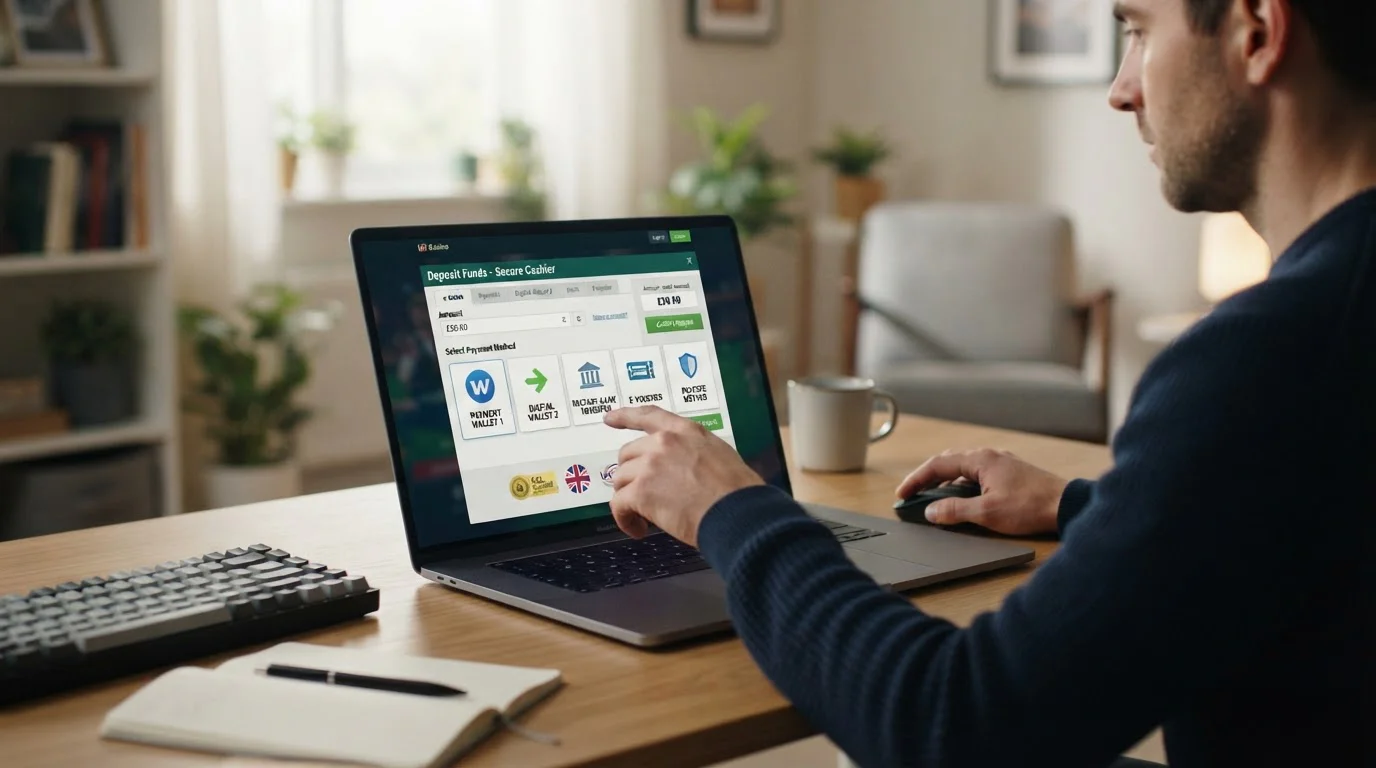
Three UKGC-licensed operators combine broad payment support with reliable withdrawals for the methods that replace uPayCard. Casumo, Betway and LeoVegas all hold active UKGC licences and accept the main e-wallets, and each has its own strengths.
| Casino | Regulator | Payment Methods | Withdrawal Speed | Min Deposit | Distinguishing Feature |
|---|---|---|---|---|---|
| Casumo | UKGC | PayPal, Skrill, Neteller, Paysafecard, Trustly, debit cards | 24–48 hours (e-wallets) | £10 | Large, gamified game library |
| Betway | UKGC | PayPal, Skrill, Neteller, Apple Pay, debit cards | Under 24 hours (PayPal typical) | £10 | Combined casino and sportsbook |
| LeoVegas | UKGC | PayPal, Skrill, Neteller, debit cards | 24–48 hours (e-wallets) | £10 | Mobile-first design, MGM-owned |
Casumo: Big Library, Broad Payment Support
Casumo Services Limited runs a large casino library, with thousands of titles spanning slots, live dealer games, table games and game shows, under an active UKGC licence. Its cashier takes PayPal, Skrill, Neteller, Paysafecard, Trustly and debit cards.
Founded in 2012, Casumo built gamification into the platform from launch: players progress through an adventure map, unlock rewards and earn trophies. The mechanics feel a little dated in 2026, but the game depth compensates. Regular free-spin and reload promotions run through the year within the 10x wagering cap that applies to all UK casino bonuses since January 2026.
E-wallet withdrawals typically take 24 to 48 hours, and the minimum deposit is £10 across methods. Casumo has been more relaxed than many rivals about e-wallets and Paysafecard qualifying for promotions, but check the terms of each offer, since exclusions change.
Betway: Trusted Brand with Fast E-Wallet Payouts
Betway Limited, part of Super Group, runs a combined casino and sportsbook under an active UKGC licence and has been operating since 2006. It’s a high-profile brand thanks to years of football sponsorship. The cashier takes PayPal, Skrill, Neteller, Apple Pay and debit cards, and PayPal withdrawals typically clear within 24 hours, often within 12 if requested before mid-afternoon.
The sportsbook matters if you switch between casino and sports. Since January 2026, UKGC rules have banned promotions that mix gambling products, so welcome offers are separate for casino and sports and you choose one at sign-up. Betway’s welcome offers have required a debit card deposit, so if you plan to claim one, make your first deposit by card and switch to PayPal afterwards.
Betway works well on mobile, though it isn’t built mobile-first. If PayPal is your uPayCard replacement, Betway’s payout speed is among the best at UKGC sites.
LeoVegas: Mobile-First Casino with MGM Backing
LeoVegas Gaming plc, owned by MGM Resorts International since 2022, runs a mobile-first casino under an active UKGC licence. The “King of Mobile Casino” tag is more than marketing: the app is fast and the layout suits small screens better than desktop casinos squeezed onto phones.
It takes PayPal, Skrill, Neteller and debit cards, with a £10 minimum deposit and e-wallet withdrawals in 24 to 48 hours. The live casino draws on Evolution, Pragmatic Play Live and NetEnt Live. Its regulatory record isn’t flawless—the Gambling Commission has taken action against it before, which you can see on the public register—so treat MGM ownership as financial depth, not a guarantee.
If you mostly play on a phone or tablet, LeoVegas offers one of the cleanest mobile experiences among UKGC-licensed casinos. The desktop site works, but it feels like the secondary product.
Deposits, Withdrawals, and Fees: How Alternatives Compare to uPayCard
uPayCard offered instant deposits, withdrawals back to the e-wallet, fees on currency conversion rather than same-currency transactions, and casino payouts in 24 to 48 hours. No UK-legal alternative copies that package exactly. PayPal comes closest on speed, Paysafecard matches the prepaid angle but is deposit-only, Skrill and Neteller charge to move money to your bank, and Trustly is patchy.
PayPal withdrawals at good UKGC casinos take anywhere from under an hour to around 24 hours. Skrill and Neteller typically take 24 to 48 hours, plus a fee if you move the money on to your bank. Paysafecard deposits mean winnings leave by bank transfer, debit card or another e-wallet, usually in two to five days.
Trustly withdrawals typically take 40 to 70 hours despite the “instant” label. The instant part applies to deposits; payouts take longer because casinos process withdrawal requests in batches. That’s still quicker than a traditional bank transfer.
On fees, casinos charge nothing for any of these methods at UKGC sites. PayPal is free for casino transactions and for withdrawing pounds to a UK bank, though currency conversion carries a spread. Skrill and Neteller charge to withdraw from the wallet to a bank account. Trustly, Apple Pay and Google Pay cost nothing. Paysafecard is free to deposit, but unused balances start losing £3 a month once the grace period in its terms runs out.
Bonus eligibility differs too. PayPal qualifies at most UKGC casinos, Skrill and Neteller are frequently excluded, and Paysafecard is mixed (SpinYoo allows it; DaznBet and LuckyMate exclude it). Apple Pay and Google Pay usually qualify because they’re debit cards underneath, and Trustly generally qualifies where it’s offered.
Why are Skrill and Neteller often excluded from casino bonuses?
Operators flag Skrill and Neteller because both e-wallets have historically enabled rapid bonus abuse: deposit, claim the bonus, withdraw to the e-wallet, repeat at another casino. PayPal is just as fast but lacks that history, so it usually escapes the exclusion. Neither wallet does anything wrong; their speed simply makes bonus hunting frictionless.
Can I withdraw my winnings back to Paysafecard?
Almost never. Paysafecard is voucher-based, so once the 16-digit PIN is spent there’s nothing to pay back to. DaznBet is an exception, paying winnings to a registered myPaysafecard account, but most UKGC casinos send withdrawals by bank transfer, debit card or another e-wallet, so treat Paysafecard as deposit-only.
Mobile, Games, and Bonuses at Alternative-Method Casinos
Every payment method covered here works on mobile at UKGC-licensed casinos in 2026, whether through a browser or a dedicated app. Apple Pay and Google Pay are built for phones, while PayPal, Skrill, Neteller, Paysafecard and Trustly work the same on phone, tablet or desktop.
Game selection depends on the casino’s licence and supplier deals, not on how you pay. Deposit with PayPal, Skrill or Paysafecard and the library is the same. Offshore sites may list more titles, often from unlicensed studios, but those games haven’t been through UK testing.
For bonuses at UKGC casinos, PayPal, Apple Pay, Google Pay and Trustly deposits usually qualify, Skrill and Neteller often don’t, and Paysafecard varies. Offshore sites advertise bigger offers, including crypto-specific bonuses, but with heavier wagering and none of the 10x cap.
If you used uPayCard to claim welcome bonuses, PayPal at a UKGC casino is the cleanest replacement.
How to Choose the Right uPayCard Alternative for Your Needs
If you valued uPayCard because it didn’t require a bank account, pick Paysafecard. It’s the most widely accepted prepaid option at UKGC casinos and can be bought in shops. You’ll still need a bank account or e-wallet for withdrawals, and the dormancy fee punishes forgotten vouchers, but it’s the closest match.
If you valued keeping your card and bank details away from casinos, pick an e-wallet. PayPal, Skrill and Neteller all keep those details with the wallet provider. PayPal has the edge on bonus eligibility and free bank withdrawals; Skrill and Neteller charge to move money to your bank.
If you want the widest acceptance and the fastest withdrawals at UKGC casinos, pick PayPal. It’s the e-wallet operators add first, most process PayPal payouts within 24 hours, and it qualifies for welcome bonuses at most sites. Unless you have a specific prepaid need, PayPal is the default replacement for uPayCard.
If you want mobile convenience, pick Apple Pay or Google Pay for one-tap deposits, and keep PayPal or Skrill verified on your account for faster withdrawals.
If you prefer paying straight from your bank without a card or wallet, Trustly does that where it’s offered, though acceptance is patchier than it was.
If you’re self-excluded via GamStop, the right move isn’t a different payment method or an unlicensed site; it’s support, through GamCare’s National Gambling Helpline, your bank’s gambling block and blocking software.
In short: prepaid with no bank account means Paysafecard; keeping card details private means PayPal, Skrill or Neteller; speed and trust mean PayPal; mobile means Apple Pay or Google Pay; direct from the bank means Trustly. Whatever you pick, use it at a UKGC-licensed casino and set a deposit limit when you open the account; lowering it later takes effect immediately, while raising it involves a cooling-off period.
There’s no single perfect replacement for uPayCard, because UK rules now separate the features it used to combine. Pick the method that covers your highest-priority need and accept the trade-offs on the rest.
Casino Deposit Methods UK 2026 — Compare Payment Options
Content created by the «Bankrol Bridge» team