
UK Casinos That Accept Citadel: The Truth About Availability in 2026
 Available in GB
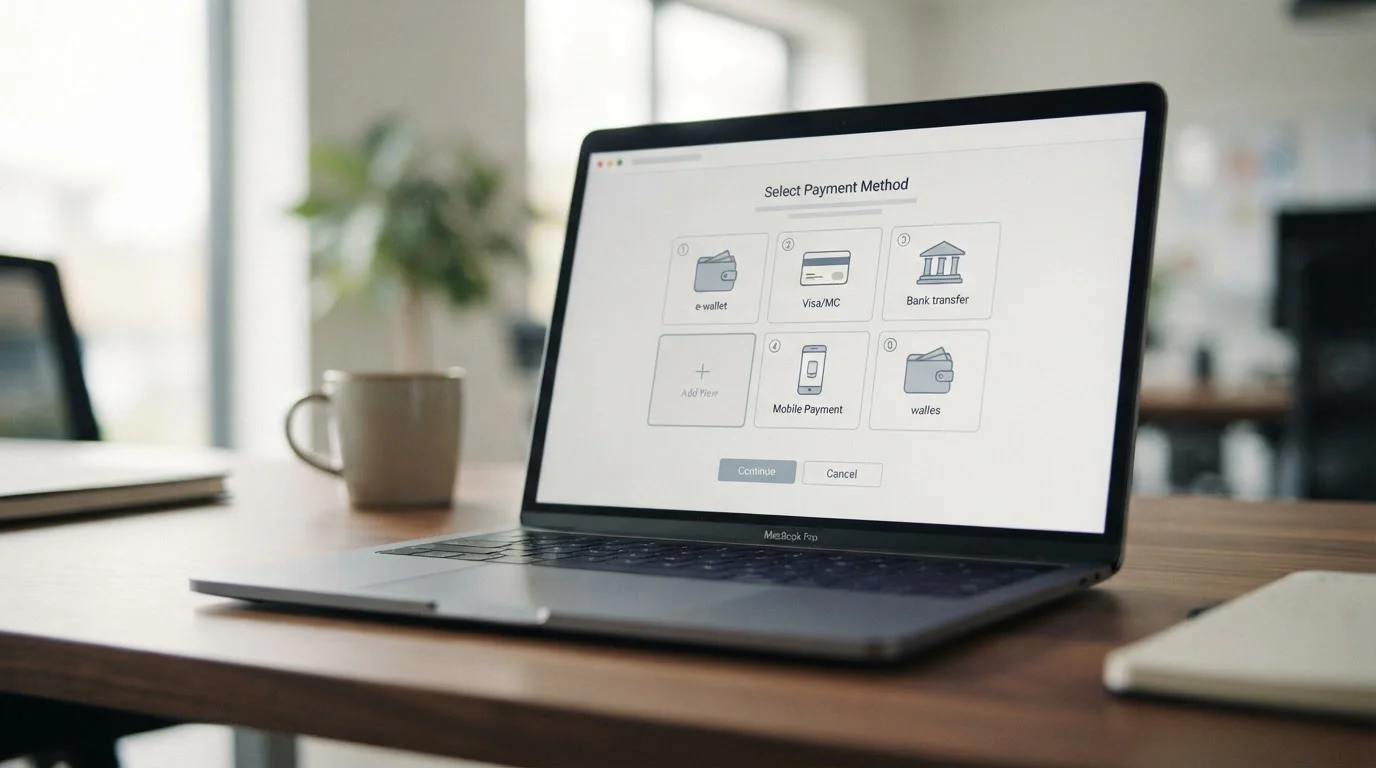
Citadel Instant Banking was once a straightforward way to fund a casino account directly from your bank. No wallet to set up, no card details stored with the operator, just a bank-to-site transfer that landed in seconds. A few years ago it appeared in plenty of casino cashiers. By 2026, it has effectively vanished from the UK gambling market.
This isn’t a temporary withdrawal or a licensing hiccup. Citadel has been displaced by a newer generation of payment technology that does everything it did, and more. Old casino lists still carry the name, but the casinos have moved on.
Most “Citadel casino” lists still in circulation date from 2020 to 2023. They name operators such as Videoslots, PlayOJO, Ladbrokes, Coral and 888casino, none of which offers Citadel in its current UK cashier. Where a casino still has an old Citadel information page, it tends to carry caveats such as availability depending on your country, and a note that Citadel can’t be used to cash out. That second point turned out to be the method’s fatal flaw.
Can I still use Citadel at UK online casinos in 2026?
No. UKGC-licensed casinos do not list Citadel among their accepted payment methods in 2026, and the few casino pages that still mention it describe it as country-dependent and deposit-only. Open-banking services such as Trustly, which handle withdrawals as well as deposits and support a wider range of UK banks, have taken its place.
Why Citadel Disappeared from UK Online Casinos

Three forces pushed Citadel out of the UK gambling market: a structural flaw in how the service worked, a regulatory shift that enabled better alternatives, and a network effect that accelerated once the decline began.
What Citadel Was: An Early Instant Banking Service
Citadel Instant Banking arrived long before smartphones, open-banking rules or today’s e-wallet ecosystem. The pitch was simple: pay a merchant directly from your bank account without creating a separate payment account. You chose your bank from a list, logged in through your bank’s interface, authorised the payment, and the funds arrived instantly.
For UK players in the mid-2010s, it sat alongside Neteller and Skrill as one of several non-card options at online casinos. The key selling point was the absence of a middleman wallet: Neteller required account set-up and funding before you could use it at a casino, while Citadel went straight from bank to casino. When e-wallets still carried real set-up friction, that directness mattered.
The Fatal Flaw: Deposit-Only
Citadel handled deposits but not withdrawals. Players could send money to a casino via Citadel but had to cash out some other way—back to a debit card, into an e-wallet or by bank transfer. Every withdrawal needed a second payment method on file.
That created an obvious question: if you had to register a debit card or e-wallet for withdrawals anyway, why use Citadel at all? The card or wallet could handle both directions. Citadel only made sense for players who wanted to avoid storing card details with a casino and were willing to put up with the withdrawal hassle.
Trustly answered that question. It handled deposits and withdrawals through the same direct bank connection, with the same instant deposits and bank-level security, and payouts that landed back in the source account within hours rather than days. Once two-way instant bank transfers were available, Citadel’s value proposition collapsed.
The Open Banking Shift (2018 Onwards)
Open banking rolled out in stages from 2018, under Europe’s revised Payment Services Directive and, in the UK, the Competition and Markets Authority’s open-banking programme. Banks had to give licensed third-party providers secure access to initiate payments, with the customer’s consent. The aim was more competition and less reliance on card networks.
For online gambling, that meant a new generation of providers could offer instant bank transfers with regulatory backing, broad bank coverage and, crucially, withdrawals. Trustly, founded in Sweden in 2008, was the most successful early mover at UK casinos.
The older instant-banking model relied on arrangements with individual banks. As banks moved to standardised open-banking interfaces, legacy integrations became less attractive to maintain, and casinos found that open banking gave them faster payouts, fewer failed deposits and a smoother mobile experience through banking-app authentication.
Why Casinos Stopped Offering It
Every payment method in a casino cashier costs money to maintain: technical support, compliance monitoring, staff training and contracts. Casinos tolerate that overhead for methods players actually use, and cut the rest.
Citadel usage fell for those reasons, and network effects did the rest. Fewer casinos offering Citadel meant fewer players encountering it; fewer players meant even lower volumes, reinforcing each removal. Casinos didn’t announce they were dropping it—it simply disappeared from cashiers during routine payment-page updates, while old lists kept naming it.
Why did Citadel disappear from UK gambling sites?
Citadel handled deposits only, so players always needed a second payment method to cash out. When open-banking providers such as Trustly arrived with two-way instant bank transfers from 2018 onwards, casinos switched to the more complete option. Citadel usage fell steadily, and operators quietly removed it from their cashiers without making any announcements.
Best Alternatives to Citadel for UK Players in 2026

Six payment methods now handle what Citadel once did, without the deposit-only limitation. They’re ordered by how directly they replace Citadel’s core function: moving money from a bank account to a casino quickly and securely.
| Payment Method | Deposit Speed | Typical Withdrawal Speed | Typical Minimum Deposit | Key Advantage |
|---|---|---|---|---|
| Trustly / open banking | Instant | Usually same day, within 24 hours | £5–£10 | Two-way bank transfer, no separate account |
| PayPal | Instant | Within 24 hours | £10 | Widely trusted, keeps bank details private |
| Visa/Mastercard debit | Instant | 1–3 working days | £10 | Universal acceptance, no set-up |
| Neteller | Instant | Within 24 hours to the wallet | £10 | Gambling-focused wallet, Net+ card |
| Skrill | Instant | Within 24 hours to the wallet | £10 | Widely accepted, works beyond gambling |
| Apple Pay / Google Pay | Instant | 1–3 working days | £10 | Biometric approval, tokenised card |
Trustly & Open Banking: The Direct Replacement
Trustly does exactly what Citadel promised, without the withdrawal gap. It connects your bank account directly to the casino, handles both deposits and payouts, and operates under the UK’s regulated open-banking framework. No Trustly account, no wallet to fund: bank to casino, then casino to bank when you withdraw.
You select Trustly or “Pay by Bank” in the cashier, choose your bank, approve the payment in your banking app or web login (often with Face ID or a fingerprint on mobile) and confirm the amount. The deposit lands instantly. Withdrawals reverse the path, usually arriving the same day once the casino approves the request.
Trustly is a Swedish payment company founded in 2008 and authorised to operate in the UK. A number of UKGC-licensed operators offer it, including Midnite, Coral, Ladbrokes and Mr Vegas. All the major UK high-street banks are supported—Barclays, HSBC, Lloyds, NatWest, Santander, Nationwide and many more—though some smaller building societies and app-only banks may be missing.
Security sits with your bank. Trustly never sees your login details, because authentication happens in your bank’s own interface, and the casino only receives confirmation that the payment went through. That matches the privacy Citadel offered, with the added oversight of the open-banking rules.
Limits are set by each operator, typically starting at a £5 or £10 minimum deposit, with daily withdrawal caps often in the £5,000 to £10,000 range. Trustly deposits are rarely excluded from welcome bonuses, unlike some e-wallets.
On mobile the flow is especially slick: approve a deposit with your thumbprint in your banking app, with no card numbers to type. If you came here looking for Citadel, Trustly is where its users went.
PayPal: The Most Familiar E-Wallet
PayPal isn’t a direct bank transfer like Trustly, but it solves the same problem: moving money into and out of casinos quickly without handing over card details. It is one of the most widely accepted e-wallets at UKGC-licensed casinos, with BetMGM, Virgin Bet and MrQ among the brands that support it, and for many UK players it’s the payment app they already use everywhere else.
PayPal was founded in 1998, is listed on Nasdaq and operates in the UK as a regulated payment firm. Its brand trust is hard to match: it’s what mainstream retailers accept and what feels safe even to non-technical users.
You link a bank account or debit card to PayPal once, then choose PayPal in the casino cashier, log in and confirm. Withdrawals reverse the path: once the casino approves, funds land in your PayPal balance, often within hours, and you can move them to your bank, typically within a working day.
The privacy layer is PayPal’s main advantage over cards: the casino never sees your card number or bank details. Minimum deposits usually start at £10, and maximums are set by the operator. PayPal deposits almost always qualify for welcome offers, which makes it the safest e-wallet choice if you plan to claim a bonus.
The downside is coverage: not every UKGC casino accepts PayPal, partly because PayPal is selective about the gambling operators it works with. Smaller and newer casinos are the most likely to lack it.
Visa & Mastercard Debit Cards: Universal Acceptance
Every UKGC-licensed casino accepts Visa debit, and nearly all accept Mastercard debit. If you want a method that works everywhere with zero set-up, debit cards are it.
Credit cards are a different story. Since 14 April 2020, UKGC-licensed operators have been banned from accepting credit card payments, and the ban also covers e-wallet payments funded by credit cards. Debit cards and prepaid cards that aren’t credit-linked are unaffected, which is why every UK cashier specifies “debit cards only”.
You enter your card number, expiry date and security code, and most deposits trigger 3D Secure authentication—usually a push notification in your banking app or a one-time code. The deposit lands instantly and your account is debited straight away. Casinos store card details in tokenised form, reducing the exposure if their systems were ever breached.
Withdrawals return to the same card in one to three working days. The casino often approves within hours; most of the wait is card-network and bank processing. Some operators offer Visa Fast Funds, which can deliver card withdrawals much faster.
Debit cards qualify for virtually every welcome bonus. The main downside is slower withdrawals than e-wallets or Trustly.
Neteller: A Gambling-Focused E-Wallet
Neteller has been in online gambling payments since 1999. Owned by Paysafe, alongside Skrill, it is a regulated e-money service accepted at a wide range of UKGC-licensed casinos.
You open a Neteller account, fund it by bank transfer or debit card, and use the balance at any casino that accepts it. Deposits are instant. Withdrawals return to your Neteller balance, typically within twenty-four hours of casino approval, and moving the money on to your bank usually takes a working day. The Net+ prepaid Mastercard lets you spend your balance directly.
Funding the wallet by card can carry a fee, and Neteller may charge for currency conversion or withdrawals to your bank, so check the current fee schedule. Casino deposits and withdrawals are usually free on the operator’s side. Loyalty tiers reduce some fees for frequent users, but for casual players depositing small amounts, Trustly or PayPal will usually work out cheaper.
The catch is bonuses. Some UKGC operators exclude Neteller and Skrill deposits from welcome offers, a hangover from the days when e-wallets made bonus abuse easier. Always check the terms before depositing if you want the offer.
Skrill: The Other Paysafe Wallet
Skrill began in 2001 as Moneybookers, adopted its current name in 2011, and sits alongside Neteller under Paysafe. The two work in much the same way and are often accepted by the same casinos, since both come through the same payment provider.
Deposits are instant, and withdrawals reach your Skrill balance within twenty-four hours of approval at most operators, with a further working day to your bank. Skrill is slightly more versatile outside gambling—online shopping, transfers to friends and international payments—and its 1-Tap feature lets returning users confirm deposits without a full login.
Fees, limits and bonus exclusions mirror Neteller’s. If you already have one of the two, there’s little reason to open the other.
Apple Pay & Google Pay: Mobile Convenience
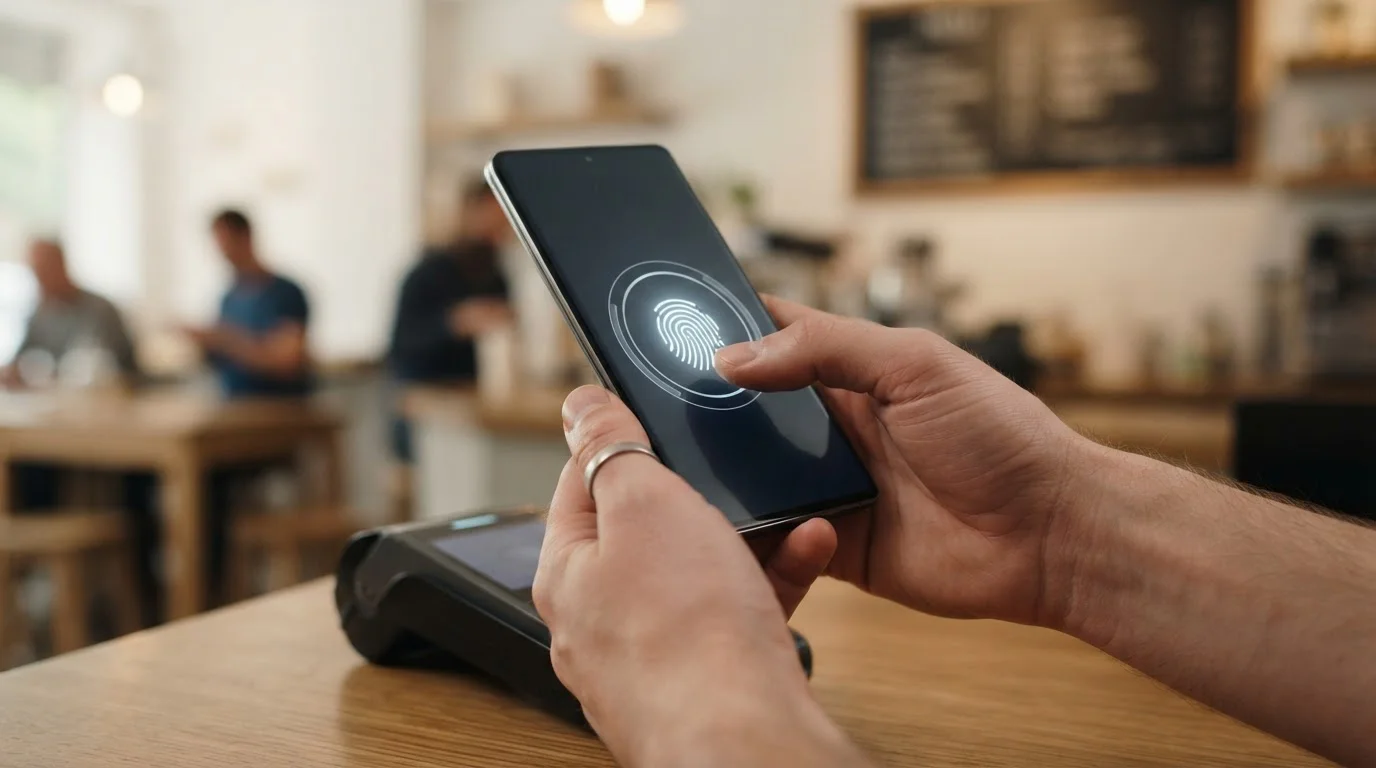
Apple Pay and Google Pay aren’t separate payment schemes; they’re digital wallets that tokenise your existing debit card and let you pay with biometric authentication. At UK casinos, they are a faster, more secure way to use your card on a phone or tablet.
You add your debit card to Apple Wallet or Google Wallet once. At the cashier, you select the wallet, approve with Face ID, a fingerprint or your PIN, and confirm. The casino receives a one-time token instead of your card number, so even a breach of the casino’s payment data would expose nothing reusable.
Deposits are instant. Withdrawals go back to the card behind the wallet and take one to three working days; you can’t withdraw to the wallet itself. Limits follow your card and the operator’s own rules, typically from a £10 minimum. Because the wallet is just a wrapper around your debit card, deposits normally qualify for bonuses on the same terms as card payments.
Apple Pay is offered by leading operators including LeoVegas, Casumo, Midnite and Coral, with Google Pay a little less common. Desktop support is limited, so these methods shine on phones; on a computer, entering your debit card is often simpler.
What is the best alternative to Citadel for instant bank transfers at UK casinos?
Trustly is the direct replacement for Citadel. It offers instant bank-to-casino deposits and usually same-day withdrawals through the UK’s regulated open-banking framework, with no separate account to set up. Unlike Citadel, it handles payouts as well as deposits, and a number of UKGC-licensed casinos offer it, including Midnite, Coral and Ladbrokes.
How do I deposit at UK casinos without using a debit card?
Use Trustly or PayPal. Trustly connects directly to your bank account through open banking, so no card is involved. PayPal needs a bank account or card linked, after which casino payments run through PayPal and your card details stay away from the operator. Both give instant deposits and quicker withdrawals than debit cards.
UKGC-Licensed vs Offshore Casinos: Where Citadel Might Still Work

The licensing question matters more than any payment method. It decides which protections you have, and Citadel’s supposed persistence at offshore sites turns out to be largely illusory anyway.
UKGC-Licensed Casinos: No Citadel in 2026
A UK Gambling Commission licence, issued under the Gambling Act 2005, is what makes a casino lawful for players in Great Britain. Every major brand UK players recognise—Casumo, Betway, LeoVegas, 888casino, William Hill, Ladbrokes, Coral, Grosvenor, PokerStars and many more—holds one.
UKGC licensing brings enforceable protections: age and identity checks before you deposit, a duty to tell you how well your balance is protected if the casino goes bust (not protected, medium or high—there is no compensation scheme), safer-gambling tools including deposit limits and GamStop, independently tested games, and access to an approved Alternative Dispute Resolution service such as IBAS if a complaint isn’t resolved.
Payment options at UKGC casinos depend on player demand, regulation (above all the credit card ban) and commercial deals with providers. In 2026, these are the methods you’ll find across UK cashiers:
- Debit cards (Visa, Mastercard): universal
- PayPal: widely accepted, though not everywhere
- Trustly and other open banking: offered by a number of operators
- Neteller, Skrill: common but not universal
- Paysafecard: widely accepted for deposits
- Apple Pay, Google Pay: at leading operators, expanding
- Pay by phone (Boku and similar): occasional, with low caps
Citadel isn’t on that list. Major UKGC-licensed casinos don’t show it in their cashiers, and the payment guides they publish don’t mention it.
Offshore Casinos: Dubious Claims and Outdated Information
Offshore casinos are operators that take British customers without a UKGC licence, often licensed in Curaçao or in places such as Malta or Gibraltar whose licences don’t cover Great Britain. Offering gambling to people in Britain without a UKGC licence is unlawful—the offence is the operator’s, not the player’s—and these sites are unlicensed for Great Britain, offering none of its protections: no funds-protection disclosure, no GamStop, no UK deposit-limit rules and no approved UK dispute service.
Citadel’s “persistence” at offshore casinos is mostly a documentation artefact. Old lists naming brands such as Videoslots, PlayOJO, Duelz, Dream Vegas, Grand Ivy and Netbet mix UKGC-licensed operators, which don’t offer Citadel to UK players, with international sites whose Citadel entries are leftovers on market-specific payment pages. No casino actively promotes Citadel to UK players in 2026, and lists claiming otherwise are recycled rankings that were never updated.
If you’ve been drawn to offshore or “non-GamStop” sites because you’ve self-excluded, treat that as a signal to get support rather than a reason to look further. The National Gambling Helpline, run by GamCare, is free and confidential on 0808 8020 133, 24 hours a day. GamStop exclusions run for six months, one year or five years, and most UK banking apps also let you block gambling payments on your debit card.
Why the Distinction Matters for UK Players
UKGC licensing decides whether you have enforceable protections or are relying on an operator’s goodwill. If a site without a UKGC licence refuses a withdrawal, freezes your account or disappears with your balance, there’s no UK regulator or UK dispute service to turn to.
Payment method availability is secondary to that. Citadel’s absence from UKGC casinos is the bit that matters, because those are the casinos UK players should be using. For instant bank transfers in 2026, the answer is simple: use Trustly or another open-banking option at a UKGC-licensed casino, and you get everything Citadel offered plus withdrawals and full UK protection.
Are there any UKGC-licensed casinos that still accept Citadel?
No. No major UKGC-licensed operator lists Citadel in its cashier in 2026. Payment methods at licensed UK casinos include debit cards, PayPal, Trustly and other open-banking options, Neteller, Skrill, Paysafecard and mobile wallets. Citadel has been removed from UK cashiers and replaced by open-banking services that also handle withdrawals.
How to Deposit and Withdraw at UK Casinos in 2026
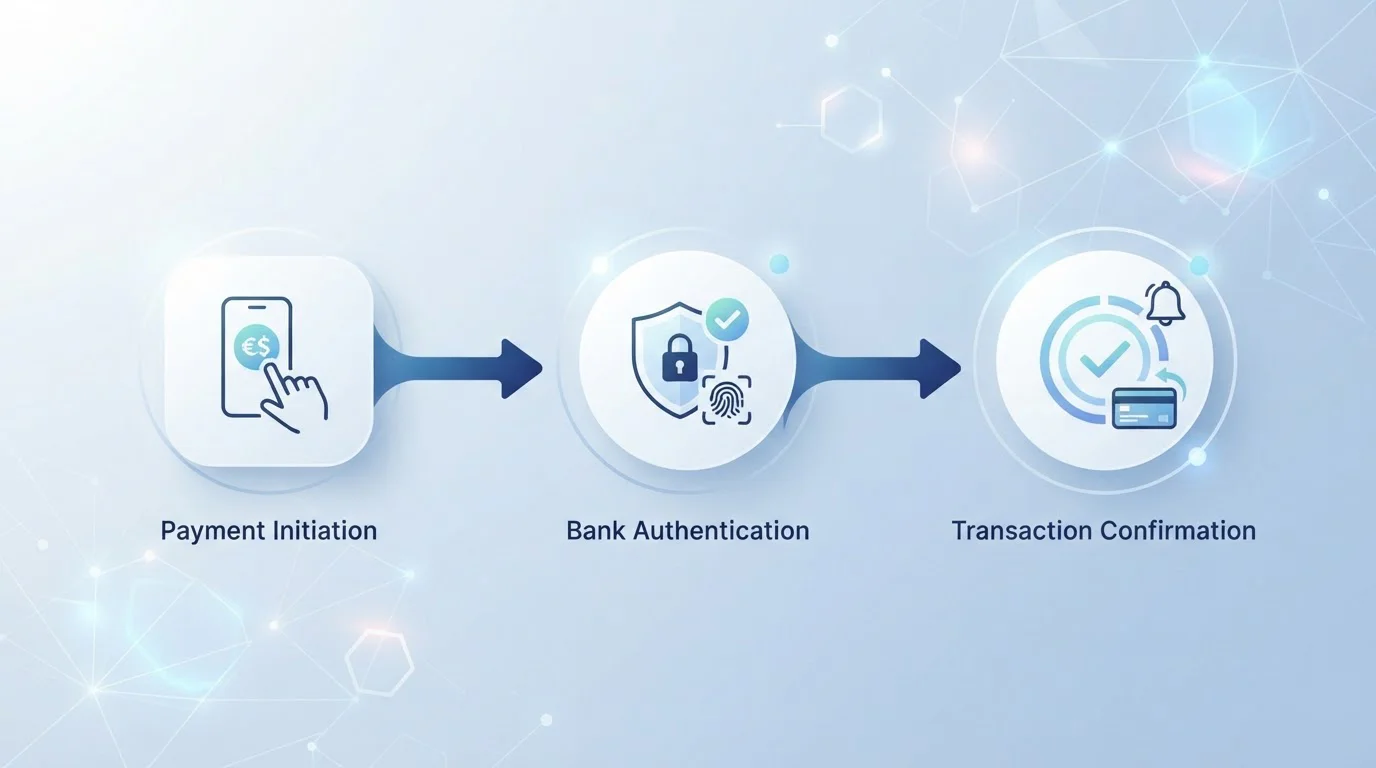
Before your first deposit at any UKGC-licensed casino, you’ll register, pass age and identity checks (usually electronic, sometimes with a document upload) and be prompted to set a deposit limit. Choose a daily, weekly or monthly figure you can genuinely afford; reductions apply immediately, while increases only take effect after a cooling-off period.
Depositing with Trustly (Open Banking)
The exact screens vary by bank, but the process is consistent. In the cashier, select Trustly, “Pay by Bank” or “Instant Bank Transfer” and enter the amount.
You’ll see a list of UK banks; choose yours. On mobile, the flow usually opens your banking app directly. On desktop, you’ll either log in through your bank’s website or scan a QR code and approve on your phone.
Your bank shows the amount and the recipient—the casino or its payment processor—and asks you to authorise. Approve it, and your account is debited immediately. You’re returned to the casino with the deposit already in your balance, usually within seconds. After the first time, the whole thing takes well under a minute.
Depositing with PayPal
You’ll need a PayPal account linked to a UK bank account or debit card. In the cashier, select PayPal, enter the amount and confirm. Log in to PayPal (with two-factor authentication, which is worth enabling), check the summary showing the amount, the casino and the funding source, and confirm. You’re returned to the casino with the deposit credited instantly.
Depositing with Debit Cards
Enter your card number, expiry date and three-digit security code, plus the amount. 3D Secure then asks you to verify—usually with a push notification in your banking app, sometimes an SMS code. Approve it and the deposit lands within seconds. Most casinos store your card securely, so later deposits only need the security check.
Withdrawal Times Compared: What to Expect
Withdrawal speed has two parts: how long the casino takes to approve your request, and how long the payment method takes to deliver the money once released.
UKGC-licensed casinos typically approve withdrawals within hours for verified accounts. Larger amounts may trigger a manual review or source-of-funds questions, adding a day or more, and first withdrawals may involve confirming your payment method. Some casinos also apply a short pending period, during which a withdrawal can be cancelled—letting it go through is one of the simplest ways to protect a win.
| Method | Time after casino approval | How it works |
|---|---|---|
| Trustly | Usually same day, within 24 hours | Paid straight back to your bank account through open banking, with no extra step. |
| PayPal | Often within hours | Funds reach your PayPal balance quickly; moving them on to your bank adds about a working day. |
| Neteller, Skrill | Within 24 hours to the wallet | A further working day to reach your bank once you transfer it. |
| Debit cards | 1 to 3 working days | Card withdrawals go back through the card network’s settlement process; Visa Fast Funds can speed this up where offered. |
| Apple Pay, Google Pay | 1 to 3 working days | Processed as debit card withdrawals, since the wallet is a tokenised layer over your card. |
The gap between the fastest options (Trustly, PayPal) and the slowest (cards) is typically two or three days. Citadel never addressed this at all—it left withdrawals to whatever other method you had on file.
What’s the difference between Citadel and open banking methods like Trustly?
Citadel only handled deposits, so players needed a different method for withdrawals. Trustly and other open-banking providers handle both through the same direct bank connection, under modern open-banking rules and with broad UK bank coverage. Trustly withdrawals also usually arrive the same day, faster than the card payouts most Citadel users relied on.
Is Trustly safer than Citadel was?
Both relied on your bank’s own login security, but Trustly works within the UK’s regulated open-banking framework, where providers must be authorised and payments are approved inside your banking app. Neither Trustly nor the casino sees your banking credentials, and withdrawals return to the same account you paid from.
Switching From Citadel: Practical Tips
If you last played when Citadel was still around, a few things have changed beyond the payment method itself.
Check your saved payment details. If an old casino account still lists Citadel or an expired card, remove them and add a current method. Many casinos require a valid withdrawal method on file before they will process a cashout, and sorting it out in advance avoids delays.
Expect to verify again. Casinos now verify age and identity before you can deposit, and may ask an older account to re-confirm details or provide fresh documents. Have a passport or driving licence and a recent utility bill or bank statement ready.
Pick one main method per casino. Winnings are normally paid back to the method you deposited with, and mixing several methods can mean withdrawals are split or held while the casino checks each one. With Trustly, deposits and withdrawals use the same bank account, which keeps things simple.
Review old bonus habits. Wagering is now capped at 10x and terms must be clear, so offers are easier to understand than they were in Citadel’s heyday. Still, read which payment methods qualify before claiming.
Look at your limits. If you haven’t played for a while, set new deposit limits before your first deposit rather than relying on whatever was configured years ago.
Safer-Gambling Tools Worth Using
Instant bank payments make depositing effortless, which is exactly why the protective tools matter.
Every UKGC-licensed casino offers deposit limits, reality checks that remind you how long you’ve been playing, time-outs from a day to several weeks, and self-exclusion. Your account history shows deposits, withdrawals and net losses over time, which is often more revealing than the balance on screen.
Outside the casino, most UK banks and app-based banks offer a gambling block on debit cards, usually with a delay before it can be switched off, and many banking apps break spending down by category. GamStop covers every UKGC-licensed online operator at once, and device-level blocking software adds a further barrier.
Warning signs worth taking seriously include chasing losses, depositing again straight after a withdrawal, borrowing to gamble or hiding spending from people close to you. If any of those sound familiar, lower your limits, take a break and talk to someone.
What to Do If a Payment Goes Wrong
Problems are rare at licensed casinos, but it helps to know the order of steps.
If a deposit leaves your bank but doesn’t appear in your balance, contact the casino’s support with the date, time, amount and method, plus a screenshot from your banking app. Open-banking and card payments are easy to trace, and most issues are resolved quickly.
If a withdrawal takes longer than the operator’s stated timescale, ask support what is holding it up. The usual causes are outstanding verification documents, a pending period before processing, or source-of-funds questions on larger amounts. Answering promptly is the fastest fix.
If you’re still not satisfied, use the casino’s formal complaints process. UKGC-licensed operators must deal with complaints and, if the issue isn’t resolved, let you refer it to their approved Alternative Dispute Resolution provider, such as IBAS, free of charge. The provider’s details are in the casino’s terms. The Financial Ombudsman Service doesn’t handle disputes with gambling operators, though it can help with complaints about your bank or payment provider.
Keeping your own simple record of deposits and withdrawals makes any of these conversations easier, and gives you an honest picture of your spending.
UK Gambling Regulation and Payment Methods

The UK Gambling Commission shapes which payment methods are available at licensed operators. Two developments define the current landscape: the 2020 credit card ban and the shift to open banking.
The UK Credit Card Ban (April 2020)
Announced on 14 January 2020 and in force from 14 April 2020, the ban stops all UKGC-licensed operators from accepting credit card payments for any gambling product—casino, sports betting, poker, bingo and lotteries alike.
The reasoning was straightforward: gambling with borrowed money increases financial harm when losses mount. The ban also covers e-wallet deposits funded by credit cards, so wallet providers used at UK casinos must stop credit cards being used to fund gambling.
Debit cards, non-credit prepaid cards and bank transfers remain permitted. The line is drawn at borrowing, which pushed UK cashiers towards debit cards, bank-funded e-wallets and direct bank transfers—exactly the territory open banking occupies. Citadel wasn’t directly affected, as a bank-transfer service, but as operators reviewed their payment mix for compliance, a little-used legacy method was an easy one to drop.
Other Rules That Affect How You Pay and Play
Several other UK rules sit alongside the payment landscape. Since May 2019, licensed casinos must verify your age and identity before you can deposit. Since 19 January 2026, wagering requirements on bonuses have been capped at 10x the bonus amount. Online slot stakes are limited to £5 per spin for players aged 25 and over and £2 for 18- to 24-year-olds. Casinos must also carry out financial-risk checks when spending reaches certain levels.
None of these depend on the payment method you choose, but they do shape the experience: verification happens up front, bonuses are easier to clear than they used to be, and there are hard limits on how fast you can spend on slots.
What Payment Methods Are Allowed at UKGC Casinos
Debit cards: Visa and Mastercard debit cards from UK banks, accepted everywhere. Prepaid cards that aren’t credit-linked also work at many casinos.
E-wallets: PayPal, Neteller, Skrill, MuchBetter and others, provided they block credit card funding for gambling.
Open banking / Pay by Bank: Trustly and similar providers, initiating direct bank transfers through secure bank interfaces. Strictly, Trustly is a payment initiation service rather than an e-wallet.
Prepaid vouchers: Paysafecard codes, bought with cash in shops and entered at the cashier. They’re deposit-only, so you’ll need another method to withdraw, and the voucher value acts as a fixed spending cap.
Mobile billing: Pay-by-phone services such as Boku, where deposits are added to your phone bill or taken from pay-as-you-go credit. Amounts are small, typically around £30 per deposit.
Bank transfers: Direct transfers from your bank to the casino. Slower to set up than open banking but sometimes used for larger deposits.
Credit cards and credit-funded e-wallet balances are not allowed. Cryptocurrency is rarely, if ever, offered by UKGC-licensed casinos; sites marketing crypto deposits to UK players are almost always operating without a UK licence.
How to Verify a Casino Is Properly Licensed
UKGC licensing is easy to check. Licensed operators display their Gambling Commission account number in the website footer, usually with a link to the Commission’s register.
Search the public register at gamblingcommission.gov.uk for that number or the operator’s name. The register shows whether the licence is active, suspended or revoked, what activities it covers (for example, remote casino) and the licensed company’s legal name, along with the websites it operates.
Cross-check the company. If the site says it’s operated by a particular company, that exact name should appear in the register, and the domain you’re on should be listed. A mismatch is a red flag.
If a casino shows no UKGC account number at all, or only a Malta (MGA/B2C/…) or Curaçao licence reference, it doesn’t hold a UKGC licence. Those licences may be valid where they apply, but they don’t allow an operator to serve British customers and don’t bring UK protections. At a UKGC-licensed casino, the payment methods on offer comply with UK rules; anywhere else, you’re relying on the operator’s honesty.
Games, Bonuses, and Mobile Play: Not Payment-Method-Dependent
Some players assume Citadel’s disappearance affects other parts of the casino experience. It doesn’t: games, bonuses and mobile play are set by the casino, not the payment method.
Game libraries are identical whichever way you deposit. A casino offering thousands of slots and dozens of live tables gives you the same lobby whether you paid by PayPal, debit card or Trustly.
Bonuses are set by operator policy. The one payment-related wrinkle is that some casinos exclude Neteller and Skrill deposits from welcome offers, while debit cards, Trustly and PayPal almost never face exclusions. Check which methods qualify before your first deposit.
Mobile play works with every method. Apple Pay and Google Pay make phone deposits smoother, and open banking hands you neatly to your banking app, but the games and interface are the same.
Minimum deposits are set by the casino and occasionally vary by method—a £5 minimum for cards or Trustly and a higher one for manual bank transfers, for example. Most UKGC casinos use £10 across the board.
New casinos integrate Trustly, PayPal, debit cards and often mobile wallets. There’s no commercial reason for a new operator to add a deposit-only legacy method when better options exist.
Crypto casinos and Citadel have no overlap. Citadel was a bank-transfer service, so the idea of a “bitcoin casino that accepts Citadel” reflects confusion rather than a real product—and crypto-only casinos targeting UK players are typically operating without a UKGC licence.
Payment methods are a means to an end: they move money in and out. Everything else—which slots you can play, how quickly winnings are paid, how bonuses work—depends on the casino’s platform, licence and policies. Players using Trustly or PayPal today get everything Citadel users had, plus withdrawals.
Casino Deposit Methods UK 2026 — Compare Payment Options
Content created by the «Bankrol Bridge» team